
When I think about audits in environments that demand rigorous control of environmental variables, I'm immediately reminded of the amount of paperwork, confusing spreadsheets, and the fear that a failure might go unnoticed. I spent years in laboratories and hospitals, and during that time, I witnessed situations where, due to carelessness or human error, extremely valuable vaccines and medications were rendered useless by a simple temperature deviation. That's when I understood the value of wireless sensors for monitoring and auditing—not just for convenience, but for the confidence they bring to the process.
What are wireless sensors and why are they so practical?
Wireless sensors are devices capable of collecting environmental data, such as temperature, humidity, or pressure automatically and transmitting that information wirelessly to a central hub or cloud. They function as attentive eyes 24 hours a day, without needing cables, without relevant distance limitations, and with simple installation. I've witnessed cases where switching from outdated technology to wireless sensors cut audit time in half and eliminated manual steps.
Wireless sensors simplify audits because they guarantee constant surveillance, precise records, and automatic real-time alerts. There's no need to wait for someone to go to the location, note the readings, and then enter the data into a system: everything is done automatically, which drastically reduces the risk of human failures.
How is a real-time audit conducted?
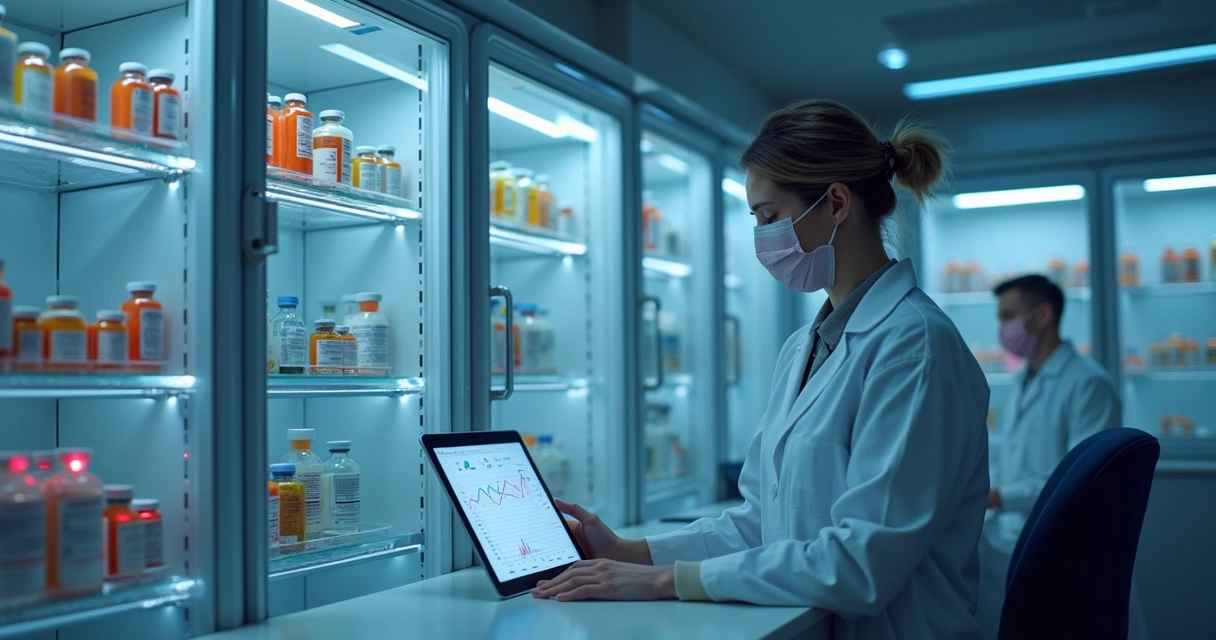
The traditional concept of auditing involves recording measurements at specific intervals and then analyzing that data. However, with wireless sensors integrated into platforms like DROME, everything happens in real time. Whenever something occurs outside the expected standard, the system identifies and records the event automatically. In other words, the audit report is no longer a compilation made afterward, but continuous monitoring that can be accessed at any time.
Based on my experience implementing DROME in different environments, the audit cycle has changed radically. The main steps are:
- Quick installation of wireless sensors in strategic locations, without requiring renovations or special wiring;
- Configuration of critical parameters for each environment, aligned with regulations and user needs;
- Continuous monitoring of all variables; when something deviates from the standard, an instant alert is sent to responsible personnel;
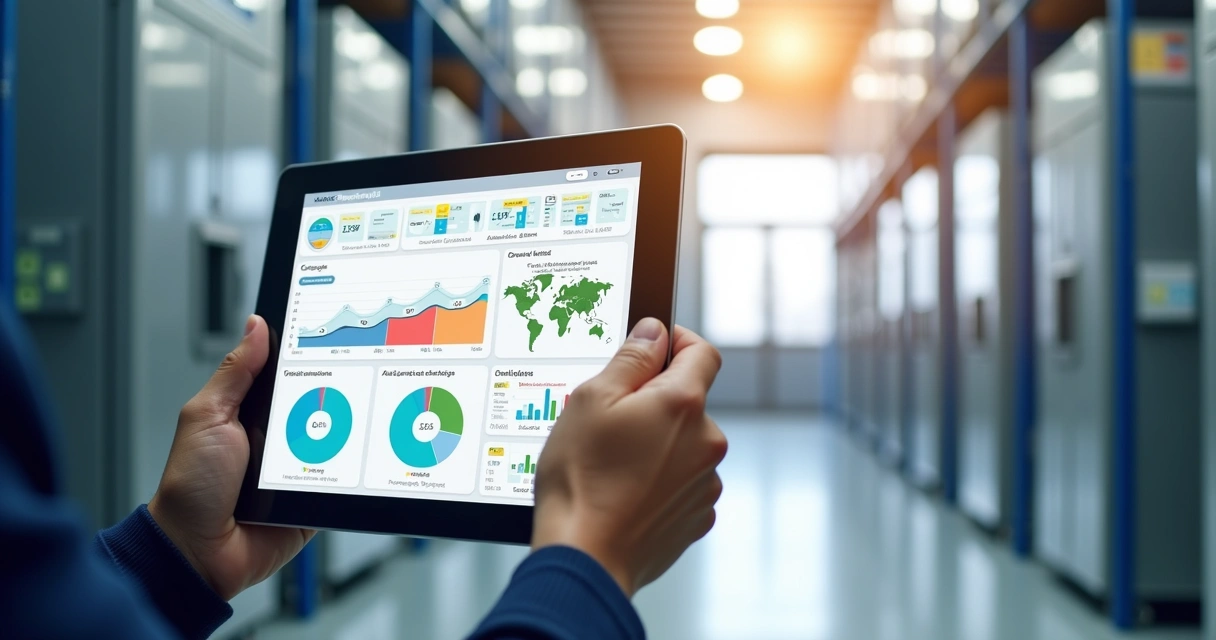
- Generation of detailed automatic reports, which are stored in the cloud and can be shared for internal or external audit;
- Management of sensor calibration history, a fundamental point to ensure system reliability and meet regulatory requirements.
This workflow eliminates tedious steps and gives professionals time to focus on analysis and decisions, not repetitive tasks.
The role of DROME: why our solution stands out
Many colleagues question whether, given so many options, it's worth investing in a complete solution like DROME instead of simple systems offered by other companies. I like to answer with a direct argument: it's not just about collecting data, but about having confidence in every step of the audit and failure response process.
DROME stands out because it works not only with wireless sensors, but also with intelligent data analysis, predictive failure identification, and automated support for audit processes. For those seeking detailed information about environments under constant control, it's worth consulting our article on real-time vaccine monitoring.
There are alternatives on the market; some promise quick integration, others focus only on basic reports. I've tested several of these systems. I always return to DROME because, beyond reliability in recording and transmitting data, there's the ease of managing and calibrating sensors, complete support for audits, and full compliance with national and international legal requirements. This saves time, reduces risks, and increases the quality of decisions.
What practical advantages have these sensors brought to audits?
Not every innovation changes routine as drastically as wireless sensors. I can list some positive changes I've witnessed in practice:
- Uninterrupted audits: Access to digital reports and complete traceability allows audits to occur without needing to interrupt processes, reducing the risk of material loss.
- Real-time failure alerts: Many times, we only discover a problem when it's too late. Now, the system alerts us as soon as the failure occurs, triggering quick responses to prevent damage.
- Time and resource savings: Automatic and consolidated records eliminate steps previously done manually, freeing teams for more relevant tasks.
- Ease of system adaptation: I've installed wireless sensors in hospital environments, research facilities, and even in sensitive material transport. In all cases, the system's flexibility was decisive.
- Process reliability: Data collected without human intervention tends to be more accurate and less subject to questioning during external audits.
Trust depends on reliable data. And wireless sensors deliver that.
What challenges can arise?
Not everything is perfect. I've witnessed some challenges in adopting this technology. That's why I like to emphasize that success is linked to choosing the right partner. If sensors aren't calibrated correctly, for example, any system will fail. That's why solutions like DROME invest so much in automated calibration management and traceability, about which there's a very useful practical guide.
Another point is that, in rare cases, wireless communication failures can occur due to interference, which requires good backup protocols and network monitoring—something already provided for in robust platforms.
Choosing DROME resolves many of these issues because it combines reliable sensors with a SaaS that centralizes alerts, reports, and histories. I've seen competitors promise integrations, but often they overlook integrated calibration management and complete automatic reports.
The direct impact on professionals' lives
When I spoke with pharmacists and technicians after DROME implementation, they said the biggest gain was time appreciation. Audits went from moments of tension to smooth steps, because they know that every event is recorded and ready to be presented to any internal or external auditor. Some hospitals frequently faced audit problems, and that changed after process automation. For those facing similar situations, I recommend reading about hospital auditing and improvement strategies.
Points of attention before implementing wireless sensors
Before recommending any technology, I always suggest analyzing some points:
- Does the available Wi-Fi infrastructure cover all necessary points?
- Do the chosen sensors meet the required measurement range and have appropriate certification?
- Will the system be able to store data in an easy-to-access and shareable way?
- Is there automatic integration for digital reports and audits?
For those in the planning phase, I've shared a practical checklist in our post on auditing in IoT environments, which helps avoid surprises during implementation.
In summary: why are wireless sensors the future of audits?
With each implementation I follow, I realize that organizations choosing wireless sensors combined with platforms like DROME are safer and better prepared for real-time audits. Automation reduces errors, provides quick responses to failures, and offers clear reports for decision-making.
Those who want to better understand how IoT has transformed such diverse sectors can follow news and articles in our dedicated IoT category.
Fast audits, reliable data, automated processes. The future has already arrived for controlled environments.
If you want to make your environment's audit more agile, reliable, and free from bureaucracy, I recommend learning more about DROME. We have the solution that combines technology, security, and peace of mind, tailored for those who need to prevent losses and ensure excellence in controlled environments.