Understanding telemetry and its importance
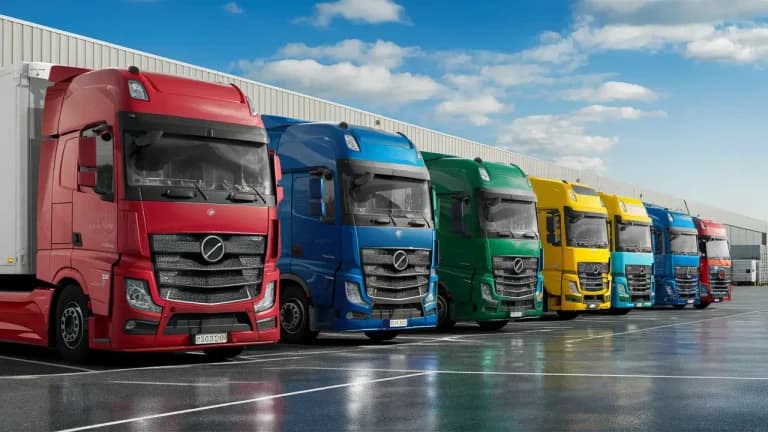
Telemetry is a tool that makes all the difference in collecting data from a distance. An interesting example is how it can be used in fleet management. With this technology, it's possible to monitor driver behavior and vehicle conditions in real time. This is vital, since, according to the Road Safety Observatory, 90% of traffic accidents are caused by human error. Thus, improving driving control can increase safety and reduce fines. It's a mix of technology and responsibility that saves lives! Traffic safety should be a priority.
 The benefits of telemetry in fleet management
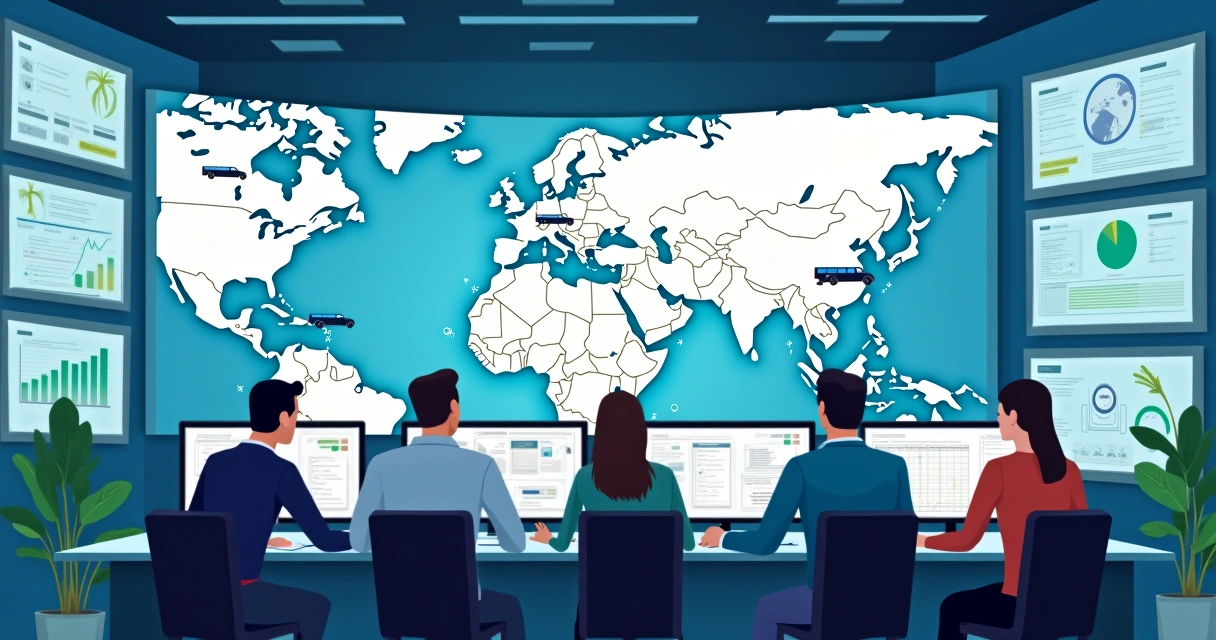
Using telemetry in fleet administration can transform the way you manage your vehicles. Imagine being able to track, in real time, the location and performance of each one. With this technology, you can not only save fuel, but also reduce overall costs. This happens because telemetry indicates when a vehicle is using more fuel than it should.
Another important point is driver safety. By monitoring driving behavior, you identify sudden accelerations and hard braking. This allows you to offer training to develop skills and prevent accidents. Additionally, the collected data helps with preventive maintenance, avoiding unexpected problems that could halt operations.
Some of the main benefits include:
- Fuel economy: Greater efficiency in vehicle use.
- Road safety: Drivers better prepared to drive.
- Efficient maintenance: Fewer unexpected stops due to breakdowns.
Want to understand more about this? Check out the article on risk management and innovation.
Remote monitoring and traffic safety
The use of telemetry is increasingly important for traffic safety. With this technology, it's possible to track vehicles in real time. Imagine a driver who is driving too fast in an area where people are walking. With a telemetry system, it's possible to receive an immediate alert. This warning helps prevent accidents, not only protecting the driver, but also the lives of pedestrians.
Another advantage is that companies can identify risky driver behaviors. For example, if a driver makes many hard stops or doesn't respect traffic lights, the company can take action. This might mean offering specific training to improve safety. Traffic safety thus becomes a priority with data that allows for quick and effective decisions.
Beyond preventing problems, monitoring helps create safer and more efficient traffic for everyone. With telemetry, we're all together in this mission to make our streets safer.
 Data collection and analysis for operational efficiency
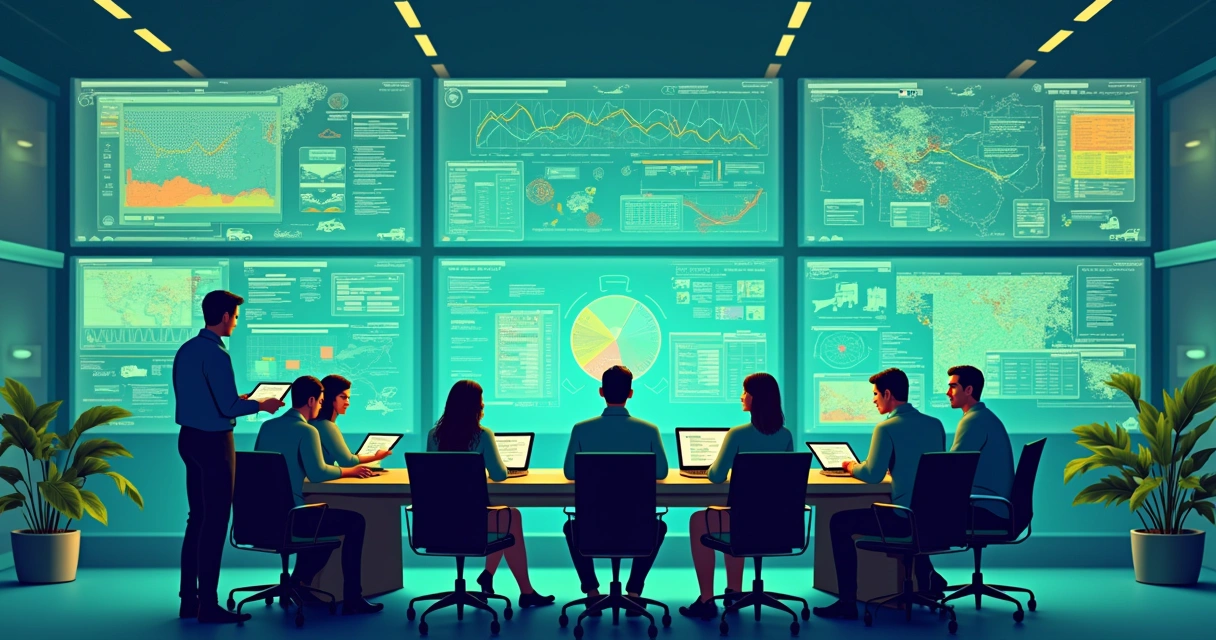
With telemetry, companies can collect real-time data from their vehicles in a simple and effective way. But do you know how this can help in your daily operations? First, by measuring driver performance, it becomes easier to identify who is more efficient. Second, data analysis can point out faster routes and avoid congestion, which is a real help. Here are some advantages of using telemetry:
- Pattern identification: It's possible to notice recurring behaviors that need to be adjusted.
- Cost reduction: With optimized routes, fuel consumption decreases, generating savings.
- Predictive maintenance: Knowing vehicle performance, you can schedule maintenance before problems appear.
This information is valuable and can transform the way you manage your fleet. To learn more about how technology helps in other sectors, check out this article on how monitoring technology revolutionizes modern laboratories: how monitoring technology revolutionizes modern laboratories.
Practical applications of telemetry in different sectors
Telemetry is a much broader technology than it seems. It's present in various areas and brings incredible benefits. For example, in logistics, it allows real-time cargo tracking. This means companies know exactly where products are and can guarantee timely deliveries. This undoubtedly improves customer relationships.
In agriculture, telemetry can monitor soil conditions and climate. With this information, farmers can decide when to irrigate crops, making production more efficient and sustainable. Additionally, in industry, this technology helps monitor machine operation. This way, it's possible to avoid unnecessary downtime, saving time and money.
These examples show how telemetry can transform processes and increase operational efficiency. To learn more about how this technology is being used in other sectors, see the impact on water and sanitation.
 The evolution of telemetry with the Internet of Things
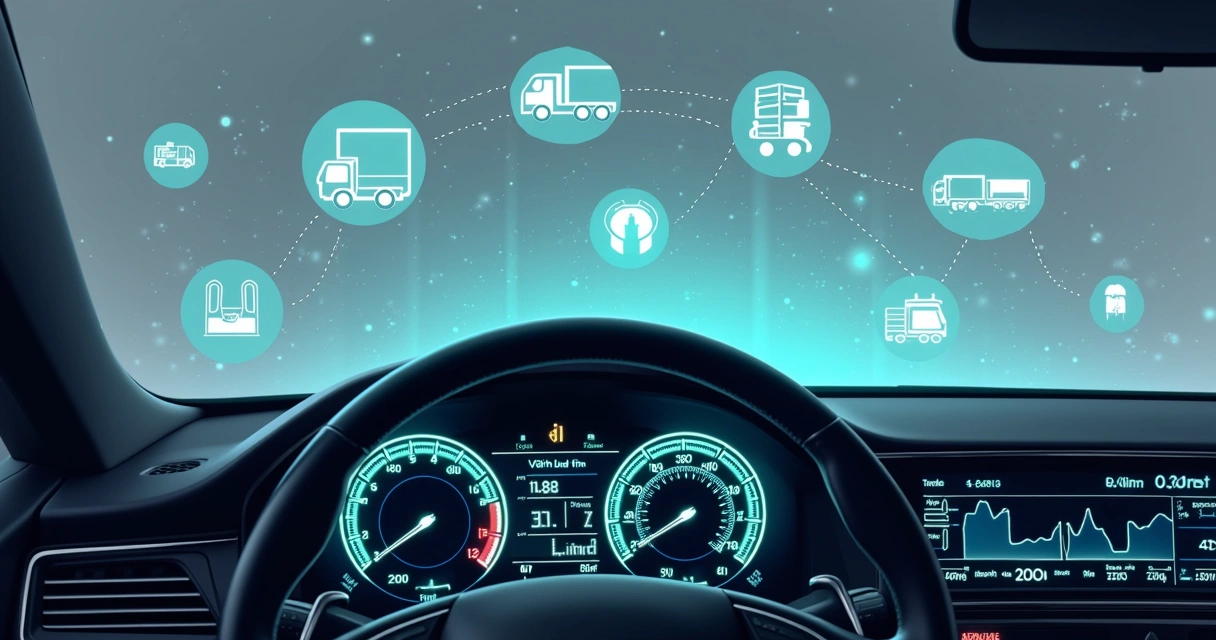
Telemetry, a technology that allows collecting data from a distance, is constantly evolving, especially with the help of the Internet of Things. Imagine how amazing it would be if your car, for example, could alert you about tire pressure or remaining fuel. This real-time information exchange helps prevent problems, making our daily lives much more practical.
Thanks to IoT, devices with sensors are everywhere. They can monitor everything from temperatures in a food transport truck to a patient's health conditions at home. This means that if something is out of the ordinary, an alert is sent immediately. This way, it's possible to prevent product losses or even save lives.
Additionally, telemetry helps companies become more efficient. With proper data analysis, it's possible to predict failures before they occur, which reduces costs and improves safety. Telemetry has become an essential tool for generating greater safety and efficiency in operations.
Preventive maintenance and driver behavior
Preventive maintenance is essential to keep your vehicle fleet running smoothly. With telemetry, you can monitor car performance in real time. This means that if something starts to go wrong, like low tire pressure, you'll be notified immediately. Thus, it's possible to solve the problem before it becomes a major inconvenience, ensuring driver safety and extending vehicle lifespan.
Another important point is driver behavior. Telemetry also records habits such as sudden accelerations and hard braking. This data can help identify drivers who need a little more training. Improving the way each person drives not only makes trips safer, but also reduces car wear. For example, a driver who drives more smoothly can help save fuel and reduce maintenance costs.
Investing in telemetry and driver training is an effective way to optimize your fleet operation and use resources intelligently.
Conclusion on telemetry and its advantages
Telemetry is an incredible tool that helps companies save time and money. With it, it's possible to monitor vehicle performance in real time. For example, if a driver accelerates too much, it's easy to identify and promote training to improve their driving, which increases road safety. Additionally, telemetry allows companies to maintain vehicles when really necessary, avoiding unexpected downtime and extra expenses. In the end, this technology can transform fleet management, making it more efficient and safer. It's worth investing in it!
 Frequently asked questions about telemetry
Telemetry is an incredible tool that collects real-time data, facilitating smarter choices. For example, it helps companies monitor vehicles, preventing waste and improving efficiency. By understanding how each part of the process works, you can make well-informed decisions. This technology not only transforms operations, but also generates significant savings over time.
What is telemetry and what is it used for?
Telemetry is a fascinating technology that allows us to measure and send data from a distance. It began to be used during the Cold War, but today it's present in various areas. For example, in truck fleets, it's possible to monitor location and fuel consumption in real time. This helps companies save money and prevent problems before they become serious.
Additionally, in healthcare, telemetry is essential to ensure that medications and food are transported at the correct temperatures. By having access to this data, managers can improve service quality. If you want to know more about the origin and importance of telemetry, check out this link: Cold War. It's amazing how this technology impacts our daily lives!
What are the types of telemetry?
Telemetry is a powerful tool that collects data from a distance, and its applications are varied. For example, vehicle telemetry is essential for companies that manage fleets. It helps monitor vehicle performance and driver behavior, which can reduce costs and increase safety. Environmental telemetry provides information about climate and soil conditions, being vital for those working in agriculture. Another area that has benefited is medical telemetry, which allows monitoring patient health at home. This not only improves care, but also brings comfort to people. Each type of telemetry brings unique advantages and can make a difference in various sectors, optimizing processes and ensuring better results. Think about how this impacts your daily life!
Where is telemetry installed?
Telemetry is an incredible technology that allows collecting important data from various equipment and environments. Imagine a car that, through sensors, reports its performance in real time. This helps prevent problems, such as an overheated engine or low tire pressure. Monitoring this data can increase safety and improve the driving experience.
But it's not just in vehicles. In agriculture, for example, telemetry monitors soil temperature and humidity, ensuring that crops receive proper care. This results in healthier and more productive harvests. Additionally, in industry, collected data helps prevent machine failures and optimize processes. By using this technology, it's possible to make better and more assertive choices, whether on the road or in the field. Telemetry brings real advantages to our daily lives.
How much does a telemetry system cost?
Understanding the cost of a telemetry system is fundamental if you're thinking about investing in this technology. Prices can vary greatly, depending on some factors, such as system complexity and the number of vehicles to be monitored. A basic system, which only locates vehicles, can be much more affordable. On the other hand, more sophisticated solutions, which offer detailed data and advanced analytics, tend to have a higher cost, but also better returns.
An investment in tracking technology can result in fewer maintenance expenses and extra efficiency in operations. Think about it: a system that prevents losses can be worthwhile. Over time, the savings generated can be significant, bringing real benefits to your business.
Is it mandatory to pay for telemetry?
Investing in telemetry can be a smart decision. Although it's not mandatory, this technology brings many benefits that can ease the daily operations of companies and drivers. For example, imagine being able to monitor your vehicle's health in real time. This can prevent serious problems before they happen, saving time and money on maintenance. Additionally, many insurance companies offer discounts for those who use telemetry systems. This shows how valued this technology is. By adopting this type of solution, you can also improve safety, since accidents can be reduced. In summary, even though telemetry is not a requirement, the gains in efficiency and cost reduction make it an investment worth knowing about and considering. It's worth exploring the available options!
Who works with telemetry?
When we talk about telemetry, it's important to understand who is involved in this process. Professionals such as engineers and technicians are responsible for developing and maintaining the systems that collect valuable data. They are essential for everything to work properly. Next, we have data analysts, who transform all this information into useful insights. For example, they can help discover how to reduce transportation costs. There are also drivers, who use the data to improve their routes and drive more safely. Each of these roles is important to ensure that businesses, like DROME, can monitor food and medication conditions during transport. This way, we can prevent waste and ensure that everything arrives in perfect condition. Teamwork is fundamental to success!