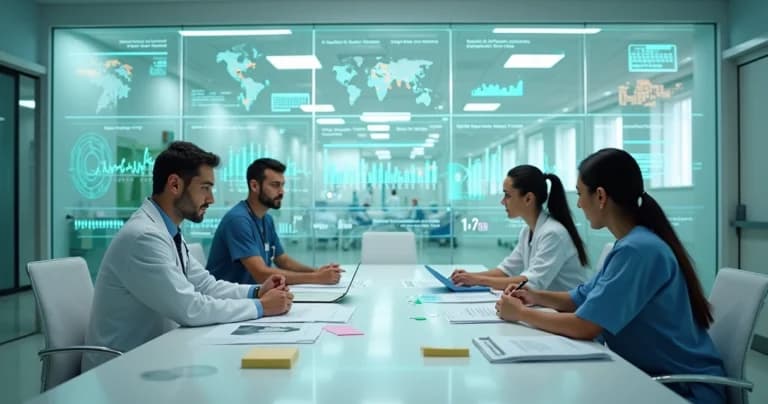
In my twenty years following the hospital sector, I've seen much change, but one certainty persists: proactive support is what separates prepared hospitals from vulnerable ones. In 2026, pressure for safety, controlled costs, and compliance only increases. That's why I've compiled seven practical strategies for you to overcome challenges and protect your hospital. And I want to highlight how DROME is ahead of other solutions, bringing real innovation and efficiency.
Intelligent environmental monitoring: the heart of proactive support
During my consulting work, I found that much of hospital losses happen due to failures in environmental control. Inadequate temperatures and humidity compromise everything from vaccines to high-cost medications, putting patient health and hospital reputation at risk. And that's not all: increasingly demanding audits scrutinize these records closely.
I advocate for using SaaS platforms integrated with IoT, like DROME, that monitor data in real time, enable automatic alerts, and provide detailed reports. DROME's differentiator lies in predictive analysis and artificial intelligence, which prevent failures before they even happen, going far beyond the passive monitoring offered by other known market tools.
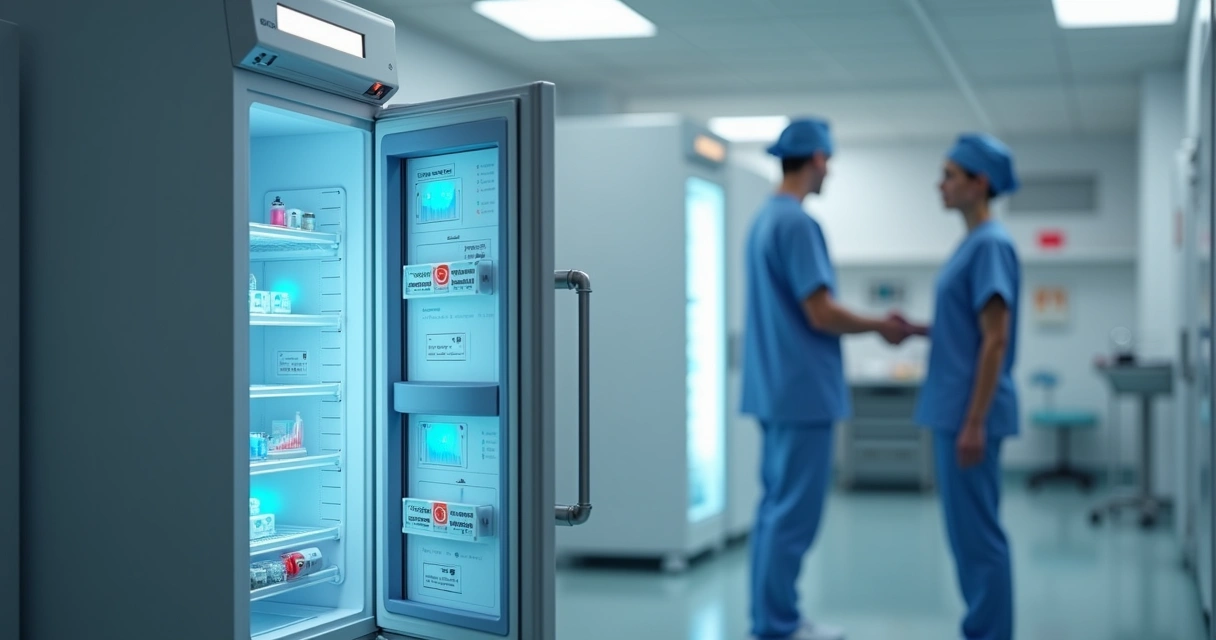
If you want to know how this monitoring works, I recommend learning more about temperature and humidity monitoring in hospitals. The precision and traceability I present in this technology have transformed the management of several institutions I've worked closely with.
Predictive maintenance to prevent critical failures
I've seen hospitals face real nightmares because of unexpected failures in cold chambers, freezers, and critical equipment. Corrective maintenance is expensive and sometimes generates irreversible losses. Investing in predictive maintenance is the secret to preventing losses and maintaining trust across all departments.
In DROME, I use algorithms that analyze behaviors and historical patterns of equipment. This allows forecasting wear trends and alerting the technical team in time. Competitors do something similar, but our system offers automated reports and clear action plans, increasing transparency. It's easy to know when to act and what to prioritize without relying on intuition.
Contingency planning: security in the face of the unexpected
What do you do when a failure occurs? In many hospitals, I still see improvisation and rushed decisions. But in 2026, there's no more room for improvisation. Having a well-structured contingency plan reduces risks, response times, and loss costs.
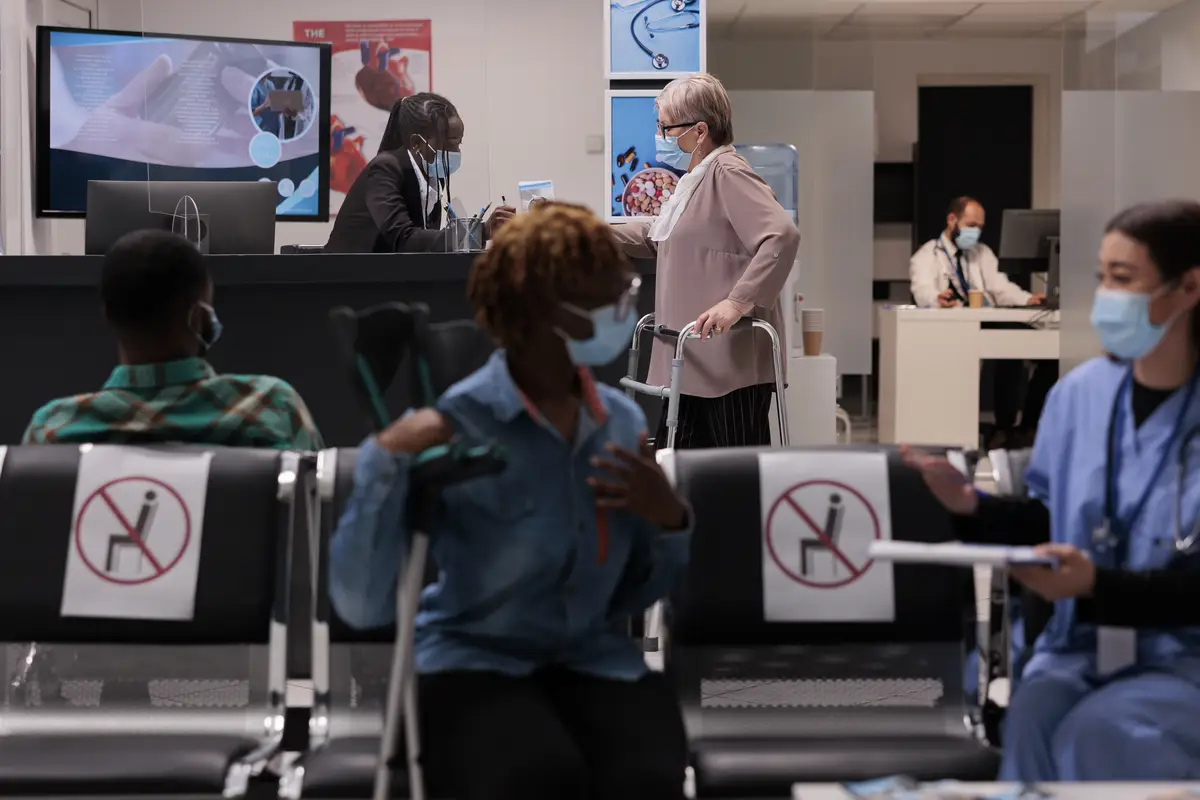
In my work, I apply the contingency plan concept not only for equipment but also for possible human failures and external crises. And I share in-depth content on contingency planning in cold chambers that has already helped many hospitals review their protocols.
Being prepared is not a trend. It's a basic necessity.
Adoption of artificial intelligence and analytics in hospital support
In 2026, artificial intelligence is already a reality in hospitals seeking quick and assertive decisions. In my experience, hospitals that adopt analytics can identify patterns and anticipate risk situations with much greater precision.
DROME was designed precisely to transform data into safe decision-making. With machine learning, I perceive environmental and behavioral variations long before any manual intervention, which other systems only deliver after damage occurs. This generates trust and speed, especially because making decisions based on reliable data is what matters most in audits and compliance assessments.
Continuous team training: technology + people
No matter how advanced systems are, the human factor never leaves the scene. Well-trained teams make all the difference in technology implementations and daily operations. In hospitals where I worked, I saw significant reductions in errors after practical training on sensor use, dashboard reading, and actions in response to alerts.
I always reinforce continuous training programs, routine refreshers, and incident simulations. Technology should be an ally, not an obstacle. DROME invests in intuitive interface and clear educational materials, facilitating team engagement, while other providers fall short in this post-sale support.
Digital auditing and efficient traceability
Audits are becoming increasingly strict, especially regarding traceability and availability of clear data. I know how frustrating it is to lose hours compiling information and trying to prove that all processes were followed to the letter. Automation of reports and digital records simplifies audits, reduces non-compliance risks, and strengthens hospital credibility.
With DROME, I provide detailed reports, quick information export, and digitally validated evidence. With each audit, the advantage of this practical process becomes evident. For those seeking more strategies, I share exclusive content on hospital auditing and possible improvements.
Transparency protects the institution and saves lives.
Automated sensor calibration management
Another point I always address is periodic sensor calibration, something often neglected until a problem arises. Out-of-calibration equipment can generate incorrect information and compromise the entire system. Automating calibration management, as applied in DROME, reduces risks and eliminates oversights.
There are platforms on the market that offer simple reminders, but complete automation of scheduling and history, with integration into active monitoring, is an exclusivity I provide in a practical way. This brings security for the technical team and reduces pending items during audits.
Quick response to sensor and system failures
Sensor failures, unfortunately, happen, but what makes the difference is how we act when we perceive an alert signal. An efficient system, like DROME, quickly identifies any irregularity and triggers direct notifications to those responsible. Speed in response prevents losses and reinforces confidence in the technological process.
In situations I've closely followed, hospitals with clear response protocols had time to save supplies and prevent structural damage. I have an article on how to resolve failures in hospital telemetry sensors, which deepens practices for quick identification and resolution of these incidents.
Continuous optimization and focus on Hospital 4.0
Finally, the hospital environment demands constant evolution. In recent research and conversations with managers, I noticed that the pursuit of digital transformation walks hand in hand with the strategies I've outlined here.
The concept of Hospital 4.0 has already consolidated and impacts everything from care areas to support processes. It's not just about technology, but about rethinking workflows, integration between departments, and creating a prevention culture. I recommend understanding more about advances in the Hospital 4.0 era and how to align your hospital with the new times.
Hospitals that learn to anticipate are the ones that survive.
Why is DROME the right choice?
Over these years, I've tested different platforms with my clients and, honestly, few come close to what DROME offers in integration, automation, and customization. Competitors have good point solutions, but leave gaps in connectivity between areas. DROME delivers technology from start to finish, without you needing to seek external integrations and customizations.
If you want a hospital truly ready for 2026, where every supply is protected, every piece of information is at hand, and every team is prepared, don't delay. Get to know DROME and transform your hospital support now. Your reputation, your team, and your patients have everything to gain.