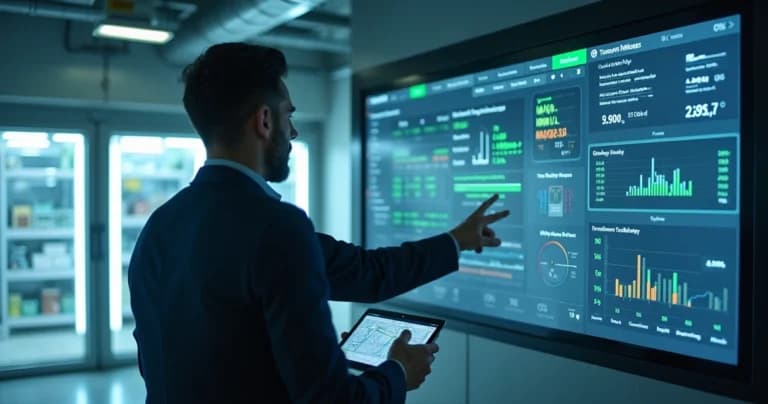
How to Reduce Operational Costs with Automatic Monitoring
Throughout my years in the market, I've witnessed how much companies lose in time, resources, and money due to lack of control over sensitive processes. I've always thought about how a simple detail, like equipment temperature, can generate enormous losses. It was precisely from closely observing losses of medication batches, vaccines, and even customer dissatisfaction that I began strongly advocating for the adoption of automatic monitoring as a solution.
What Causes Unwanted Operational Costs?
Before discussing how to reduce them, I want to highlight some sources of these costs. In various situations I've witnessed, I've seen the following problems occurring:
- Loss of supplies due to failures or unintended temperature drops.
- Energy waste with equipment operating at incorrect parameters.
- Labor directed toward manual completion of controls and spreadsheets.
- Audit failures due to lack of accurate and traceable reports.
- Difficulties in responding quickly to anomalies.
These points cause not only increased direct costs but also negative impacts on reputation, quality, and safety. And, as I often tell my clients, every dollar spent correcting a problem caused by lack of automatic monitoring is a dollar lost forever.
How Automatic Monitoring Transforms the Scenario
When I speak of automatic monitoring, I'm not referring merely to process automation, but to a complete change in how critical variables are controlled. Modern platforms, like DROME, use IoT sensors, artificial intelligence, and cloud connectivity to enable 24/7 visibility of environments and equipment. I've seen companies reach new levels using this type of solution.
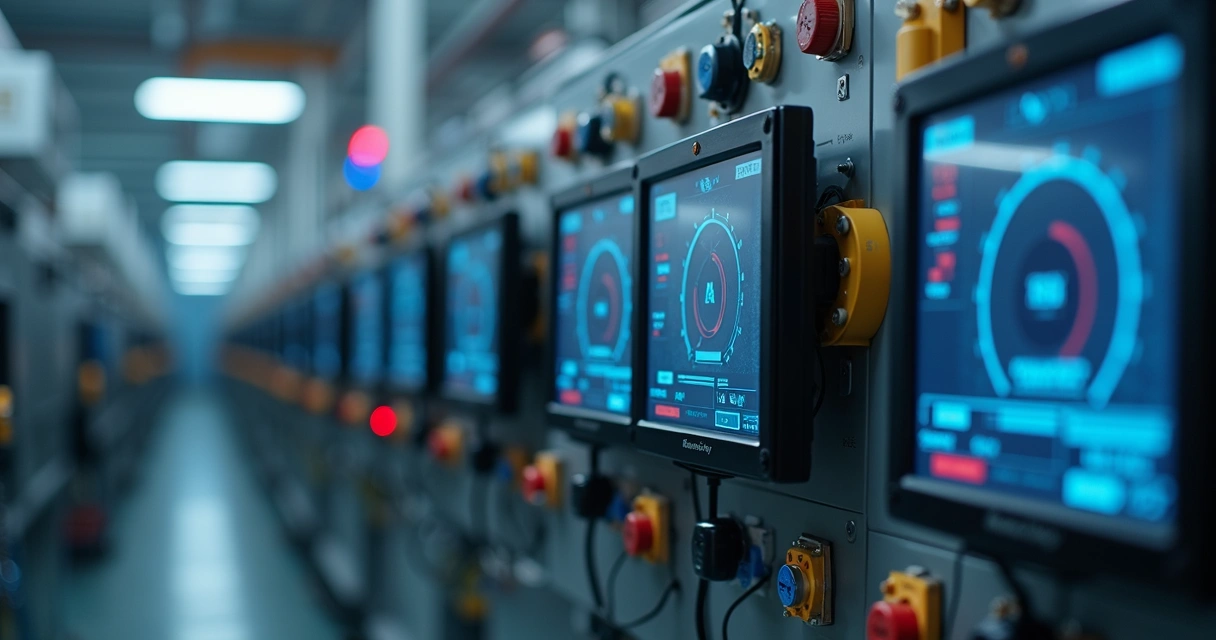
The primary impact I've confirmed in my projects was data transparency and preventive action. The main benefits that appear quickly are:
- Immediate alerts as soon as a condition falls outside the safe range.
- Drastic reduction in waste and rework.
- Automatic reports for audits and decision-making.
- Early identification of failures and trends, preventing breakdowns and unexpected issues.
Real-time control means acting before the problem occurs.
Which Areas Benefit Most?
In my daily work, I see sectors like healthcare, food, and logistics reaping benefits quickly. Whenever there are supplies sensitive to temperature or humidity, continuous monitoring makes a difference. Medications, vaccines, perishable foods, and laboratory reagents are some examples. In all these contexts, DROME delivers unique value, because in addition to monitoring, it integrates data, brings report automation, and enables predictive analysis like I've never seen in competitors.
Large enterprises end up perceiving even greater gains. However, small and medium-sized businesses also benefit, mainly by avoiding fines or losses that could compromise the entire business.
How Does Automatic Monitoring Work in Practice?
I usually explain that automating the monitoring of sensitive variables is like installing a set of vigilant eyes that never blink. It works in very clear stages:
- Sensors are positioned at critical points, connected to the internet.
- Data is sent to a central platform, like DROME.
- Everything is recorded automatically, without human errors or omissions.
- Personalized alerts notify responsible parties in case of anomaly.
- Reports and histories are available for audits.
I've seen companies try manual alternatives or systems without integration. None come close to the agility, reliability, and practicality of truly integrated solutions like ours. DROME, moreover, supports integrations with ERP and other systems, adding even more value for those seeking total control. I have practical examples of this that can be seen in how IoT integration works with enterprise ERP.
How Much Can You Save in Practice?
Since I began suggesting solutions like DROME to clients, I've observed savings easily exceeding 30% in direct costs in the first year. Noticeable forms of savings:
- Reduction of operational losses and waste from environmental failures.
- Decreased downtime and team rework costs.
- Lower audit and regulatory compliance costs.
- Avoids fines and loss of certifications.
Once I helped a small pharmacy that lost nearly half its inventory due to a refrigerator failure over a weekend. After implementing automatic monitoring, those losses became history. DROME was instrumental in the team receiving alerts, acting quickly, and never facing that scenario again.
Why Is DROME the Right Choice?
There are other solutions on the market, of course. Some promise basically monitoring, but fall short in integration, usability, report automation, or lack AI-powered predictive analysis. DROME features a simple dashboard, cutting-edge technology, and even supports automatic generation of sensor calibration reports, which makes all the difference in audits. I see in practice how predictive analysis makes a difference by anticipating failures, something I detail in how to use predictive analysis to prevent supply losses.
Additionally, system reliability is constantly proven in critical environments. I've seen growing regulatory demands resolved quickly and without hassle through our platform. And, honestly, anyone who has faced manual audit processes understands the peace of mind that such a system brings.

How to Start Reducing Costs with Automatic Monitoring?
For those seeking first steps, I suggest:
- Identify critical points where loss risk is greatest, typically locations with sensitive supplies like cold rooms, refrigerators, freezers, incubators, and storage areas.
- Consider not only product value but hidden costs: time, rework, reputation risk, and fines.
- Invest in solutions that truly automate data collection and present reports ready for audits.
- Prefer platforms that deliver predictive analysis and integration with other business systems.
- Avoid systems with poor scalability or those that depend heavily on manual team intervention.
In this scenario, DROME positions itself as the most reliable partner. Above all, because our algorithms learn over time and improve protection, and our automatic reports ensure compliance effortlessly. If you wish to understand how report automation helps with audits and management, I recommend learning more about continuous monitoring with IoT.
Automatic Monitoring in Practice: Common Challenges
I feel that many hesitate at adoption thinking the process is complex. However, current solutions, like DROME, are born with simplicity in mind. Another recurring myth is believing that human errors are inevitable. I've explained, and proven, that where true automation exists, human risk is minimized. For those wanting to deepen their understanding of how to avoid sensor data transfer errors, I recommend reading how to avoid errors in sensor data transfer.
Good automation must be simple for the user and reliable all the time.
Competitors can deliver part of the solution, but fall short in native integration or AI-powered prediction capability. From what I see in the sector, only DROME delivers a complete set ready for everyday demands.
Conclusion: Act Today, Save Tomorrow
It's clear to me that automatic monitoring is more than modernization: it is the most consistent and secure way to reduce operational costs, eliminate waste, and elevate your business safety. If you handle sensitive supplies, like food, medications, or vaccines, adopting a robust solution ceases to be an advantage and becomes a real necessity.
For those wanting to take the next step and choose a platform that was born ready for major challenges, I recommend learning how monitoring technologies reduce waste. Acting now is protecting your company's assets and securing your business future.