Introduction to Continuous Monitoring
Have you ever thought about how we can ensure that the food we consume is made safely and cleanly? Or how we can create standards to prevent issues that affect people's health? Anyone working with food always has these questions in mind. Is there a specific regulation that helps solve these problems?
In this article, you'll discover how RDC 275 became essential for standardizing inspections and ensuring quality control in the food sector. We'll discuss the benefits it brings, how to ensure good manufacturing practices and encourage the use of standardized terminology. Additionally, we'll show how DROME can help with a continuous monitoring system. Read and understand how following these guidelines can transform food safety.
What is RDC 275?
RDC 275 is an essential regulation for anyone working with food in Brazil. Created by ANVISA, it helps ensure that what we eat is safe. But how does this work in practice?
Imagine you're at a restaurant. You trust that plate is clean and safe to eat, right? That happens because there are regulations the restaurant must follow. RDC 275 is one of those regulations. It helps standardize how food is prepared and stored to prevent health problems.
Before this regulation, inspections were somewhat disorganized. Each place did things differently, and that could be dangerous. With RDC 275, the rules became clearer and uniform. This way, everyone knows what they need to do to ensure hygiene.
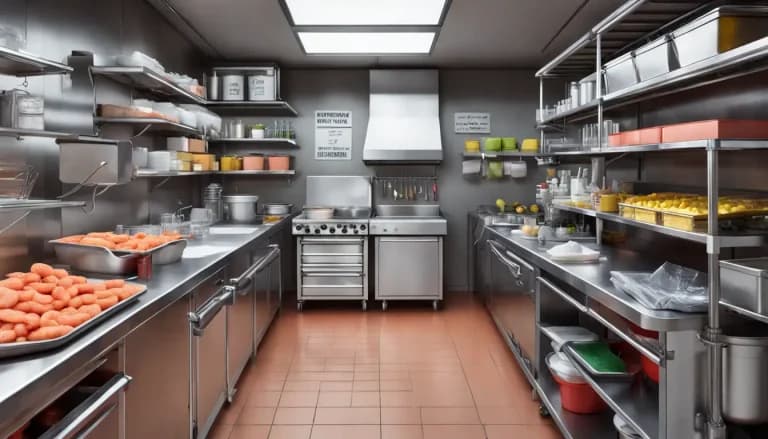
An important point that RDC 275 addresses is hygiene. Imagine you're in a restaurant kitchen. The regulation says everything needs to be clean: from the hands of whoever is cooking to the utensils used. This is fundamental so the food doesn't contaminate anyone.
Furthermore, the regulation encourages the use of standard terms and procedures, which makes life easier for those working in the sector. This means that if you work in a restaurant today and move to another tomorrow, the rules will be the same. That helps a lot, doesn't it?
Finally, technology can be a great ally. With modern systems, it's possible to monitor everything that happens in real time. This helps identify problems before they become serious, ensuring that RDC 275 standards are always met.
Why is RDC 275 Essential for the Food Sector?
RDC 275 is a fundamental regulation in the food sector, and its importance goes beyond what many people imagine. Let's understand why it's so essential and how it impacts our daily lives.
First, the main function of this regulation is to ensure food safety. This means it establishes guidelines so that food is produced and handled safely, preventing contamination that can cause illness. Imagine buying food and being certain it was produced in a clean, controlled environment. That's possible thanks to RDC 275.
Another important point is the standardization of inspections. With this regulation, inspections in food factories and establishments follow clear and uniform criteria. This is crucial because it ensures that all places are evaluated the same way, increasing consumer confidence in the products they consume.
- Good manufacturing practices: The regulation encourages the adoption of practices that prevent contamination, such as maintaining workers' personal hygiene and proper product storage.
- Clarity and transparency: Clear information is essential. RDC 275 promotes an environment where companies communicate better with consumers, generating trust in their products.
- Health risk prevention: Following the regulation's guidelines helps identify and prevent problems before they become serious, protecting public health.
Finally, in a world where technology advances rapidly and innovations emerge constantly, such as the use of continuous monitoring tools, the effective application of RDC 275 becomes even more relevant. After all, we all deserve to consume safe, quality food.
How Does RDC 275 Standardize Inspections?
RDC 275 is a regulation that helps ensure that food produced in Brazil is safe for consumption. It establishes clear rules for sanitary inspections in factories, restaurants, and other places where food is made or sold.
One of the most important things about this regulation is the standardization of inspections. This means that no matter where you are in Brazil, the rules about how food should be handled and stored are the same. For example, an inspector in Recife and another in Curitiba will follow the same criteria when visiting a supermarket. This helps maintain the quality and safety of food that reaches your table.
RDC 275 also verifies whether companies are following good manufacturing practices. This includes ensuring that food temperature is correct and there's no risk of contamination. Imagine a restaurant that needs to keep its meat well refrigerated. If the temperature isn't correct, the meat can spoil and cause health problems. With the regulation, companies know exactly what to do to avoid this type of problem.
Another positive point is the use of standardized terms in operational procedures. This makes life easier for those working in the sector, as everyone understands the same words and instructions. If someone leaves a bakery and goes to work in a dairy factory, they won't have much difficulty adapting because the guidelines are uniform.
Nowadays, monitoring technologies help a lot. Tools like DROME allow food conditions to be checked in real time. This means that if something is wrong, it can be corrected quickly before causing any harm to consumers.
Following RDC 275 isn't just a matter of complying with a regulation. It's a way to ensure that everyone can trust the quality of the food they consume, from production to consumption. This way, everyone wins: business owners, workers, and especially you, who can eat peacefully knowing your health is protected.
What are the Required Good Manufacturing Practices?
Good manufacturing practices are essential to ensure that what we eat is safe and healthy. Following these practices helps prevent contamination and maintain food quality. Let's look at some important practices that make all the difference in daily operations.
- Personal Hygiene is Fundamental: Everyone who works with food must maintain good hygiene. This means washing hands thoroughly, wearing clean clothes, and staying away if sick. Imagine the risk of consuming something prepared by someone who doesn't follow these rules!
- Correct Storage: Storing food in the right conditions is crucial. For example, meat needs to be kept at specific temperatures to prevent bacteria. Using technology, such as monitoring systems, helps ensure everything is safe and well stored.
- Temperature Control Always: During transport and handling, food temperature must be controlled. This prevents them from spoiling or becoming contaminated. Following this practice prevents health problems and ensures quality.
- Constant Cleaning and Disinfection: Surfaces and utensils must be cleaned and disinfected regularly. This prevents cross-contamination, which is when bacteria pass from one food to another. Would you trust a kitchen where cleanliness isn't a priority?
- Training is Key: Everyone must be trained in good manufacturing practices. This way, they understand the importance of food safety and their responsibilities. A well-trained employee is essential to ensure everyone's health.
These practices are more than recommendations; they are obligations that can prevent health risks. By following these rules, companies protect their customers and reinforce trust in their products. Technology can be a great ally in monitoring all of this, ensuring that safety standards are always met.
How Does RDC 275 Promote Efficiency and Clarity?
RDC 275 is a regulation that brings many benefits to the food sector by standardizing operational procedures. This means that everyone, from those handling food to managers, knows exactly what must be done to maintain food safety.
Standardizing is like following a cake recipe: if everyone uses the same ingredients and steps, the result will be the same, no matter who makes it. Thus, RDC 275 helps avoid confusion and errors, such as when storing a product. If each place has its own rule, it can become a mess.
Additionally, the regulation uses standard terms. This is important because it helps with communication. If everyone calls the same thing by the same name, it's easier to understand and follow the rules. Imagine if everyone invented a different name for a cleaning process. It would be confusing!
Another positive point is that everything becomes faster and more efficient. When rules are clear, people can work better and faster. This not only makes life easier for workers but also for auditors who check if everything is being done correctly.
Finally, technology, such as the use of monitoring tools, can help ensure that rules are followed to the letter. This way, in addition to reducing risks, these tools help with quick and accurate decision-making.
In summary, RDC 275 isn't just about following the law. It's a smart strategy to improve the quality and safety of food that reaches us. And when everyone follows the same path, everything becomes easier and safer.
Challenges in Implementing RDC 275
The implementation of RDC 275 may seem complicated, but it's essential to ensure food safety. Let's explore the main challenges and how we can overcome them in a practical way.
One of the biggest challenges is the training of professionals working in the food area. Often, they don't know the regulations well. This can result in errors in application. To overcome this, it's important to invest in constant and specialized training. For example, workshops and courses that teach in a practical way how to apply RDC 275 in daily operations.
Another important point is resistance to change. Many people see new regulations as something bureaucratic. It's fundamental to show collaborators that RDC 275 isn't just an obligation but a way to protect everyone's health. One way to break this resistance is to share success stories from companies that benefited from following the regulations.
Inspection also needs to be reinforced. Many companies don't follow regulations due to lack of inspection. To change this, a monitoring system can be created. Programs that offer real-time reports help ensure that everyone is complying with the regulations.
The adoption of technologies can facilitate the implementation of regulations, but sometimes it frightens, especially smaller companies. Here, partnerships and incentives can help. For example, companies can join together to share costs and technological tools.
Finally, it's necessary to regularly update the regulations. The food sector changes quickly and RDC needs to keep up with these changes. Opening a communication channel between ANVISA and companies can ensure that updates are practical and useful.
Facing these challenges is essential for RDC 275 to really make a difference. When everyone commits, from workers to end consumers, the benefits are clear and lasting.
Conclusion and Importance of DROME
Now that you understand the importance of RDC 275, how can you apply this knowledge in your daily life or business? It's crucial to think about ways to modernize your processes and ensure the safety of the food you consume or produce. This is vital to protect the health and well-being of your customers and your family.
DROME can be a great ally in this journey. With it, you can monitor and ensure that your products are stored and handled in ideal conditions, following RDC 275 guidelines. This not only prevents health risks but also improves your business efficiency, making it more reliable and attractive to consumers.
Continue exploring more on the topic and always seek to improve your practices. Your commitment to food safety really makes a difference! Why not start right now implementing these changes and ensuring a safer and healthier future for everyone?