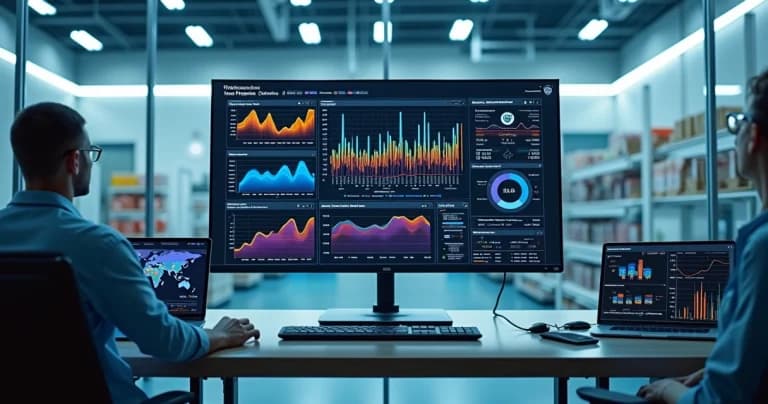
In the world of temperature-sensitive supplies, such as medications, vaccines, and food, any oversight can be costly. Both financially and for public health. A truck stopped on the road under strong sun. A freezer that stops working in the middle of the night. These stories, unfortunately, are not rare. The damage to an entire batch can happen almost without warning. But there is a way to change this outcome. And that's where predictive analysis comes in, transforming uncertainty into prevention.
What is predictive analysis?
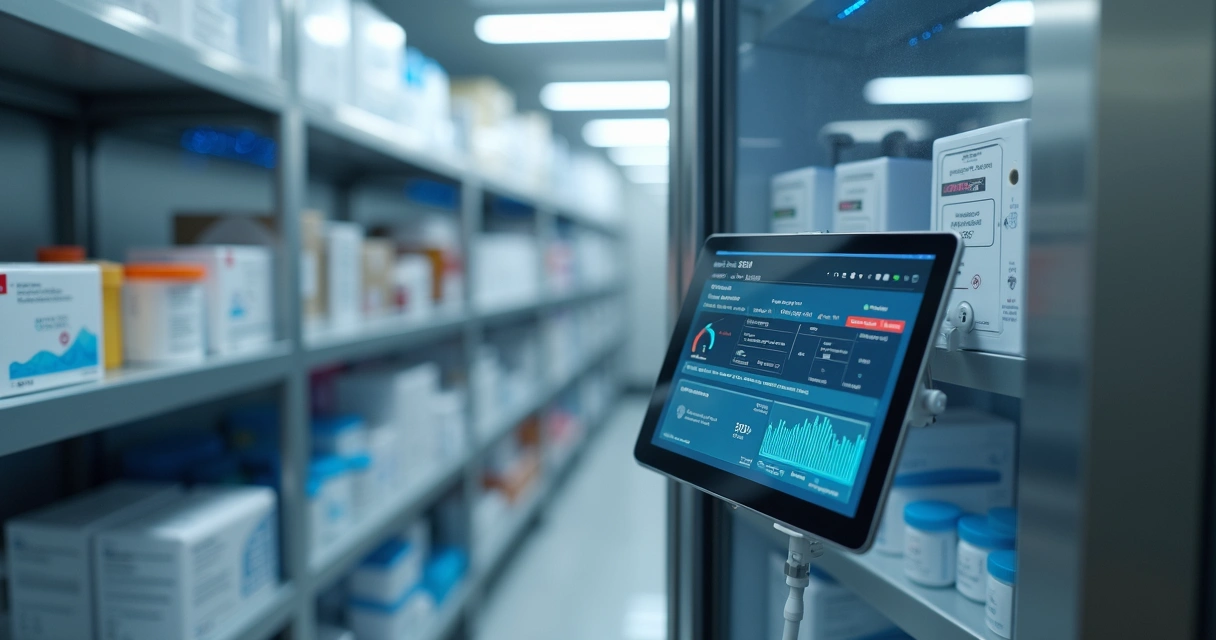
Predictive analysis is the application of statistics, machine learning, and artificial intelligence to attempt to predict events before they happen. Imagine a system capable of detecting subtle signs that a refrigerator may have a problem. Or anticipate that power grid variation is putting vaccines at risk. This is not just a nice theory. It is a reality already accessible with services like DROME's.
Predict to avoid loss. That's the new path.
Companies that depend on supply quality, especially in healthcare and food sectors, deal daily with the fear of waste due to unexpected failures. With this in mind, DROME began using IoT and artificial intelligence as allies against uncertainty.
How does predictive analysis work with sensor data?
Everything starts with continuous data collection. Temperature, humidity, door opening, and even vibration sensors are installed in equipment responsible for supply storage. These sensors work as sentinels, recording small variations, some of them imperceptible to the human eye.
- Temperature: the slightest deviation can mean loss of quality.
- Humidity: interferes with preservation, especially in medications and vaccines.
- Door openings: can indicate handling outside protocol.
- Electrical conditions: power spikes threaten equipment operation.
The differentiator, in DROME's case, is that all this collection happens in real time. It's not a manual report at the end of the shift. It's uninterrupted monitoring, always ready to indicate any possible anomaly. This makes all the difference.
From data to alert: where the magic happens?
After sensors collect the data, the next step is analysis. Here enters the role of predictive analysis software. It processes large volumes of data using algorithms that identify patterns and anticipate risks. If before you had to wait for the refrigerator to stop to act, now it "tells" you it's showing strange signs. Perhaps a temperature fluctuation outside the pattern, even if subtle, is already an alert that something needs attention.
This type of technology prevents the employee from relying solely on experience or luck. The algorithms cross historical information, check trends, and compare with thousands of similar situations in other locations monitored by the platform. And when they identify a real risk, they issue an alert for preventive action.
The difference between acting after the damage and preventing loss entirely.
How to prevent losses with advanced technology?
The combined use of IoT and artificial intelligence, as offered by DROME, takes supply management to a new level. It's different from traditional monitoring, where you only discover the problem when the loss is already underway. Continuous automation ensures precise monitoring, removing the weight of responsibility from humans. After all, everyone makes mistakes sometimes.
This rigorous control is especially relevant in critical sectors. For example:
- Laboratories that maintain high-value medications stored for long periods.
- Vaccination networks, where the loss of a box of vaccines is both financial loss and social risk.
- Supermarkets and industrial kitchens, which deal with meats and sensitive foods.
More than monitoring, DROME's platform also assists in report management and sensor calibration. This means the manager doesn't need to worry even about the validity of monitoring equipment.
Why is DROME different from competitors?
In the market, there are solutions seeking to solve these same problems, but most offer only traditional monitoring, without predictive analysis strengthened by historical data and artificial intelligence. Others still limit alerts to point violations, without considering trends or subtle non-conformities that, in the future, can become major problems.
At DROME, all analyses are done considering the context of the operation. Sensors, customized algorithms, and robust history ensure truly reliable predictions. The user receives advance alerts, not just reactive ones. This makes all the difference.
Nobody likes chasing losses.
It's common to find cheaper solutions, but without complete integration or support for audits and detailed reports. Here, DROME stands out: report for each variable, calibration control, and automatic support for inspections and regulatory requirements. On the website, there's an interesting article about how monitoring technology revolutionizes modern laboratories, which deepens this point.
Practical cases: when prevention makes a difference
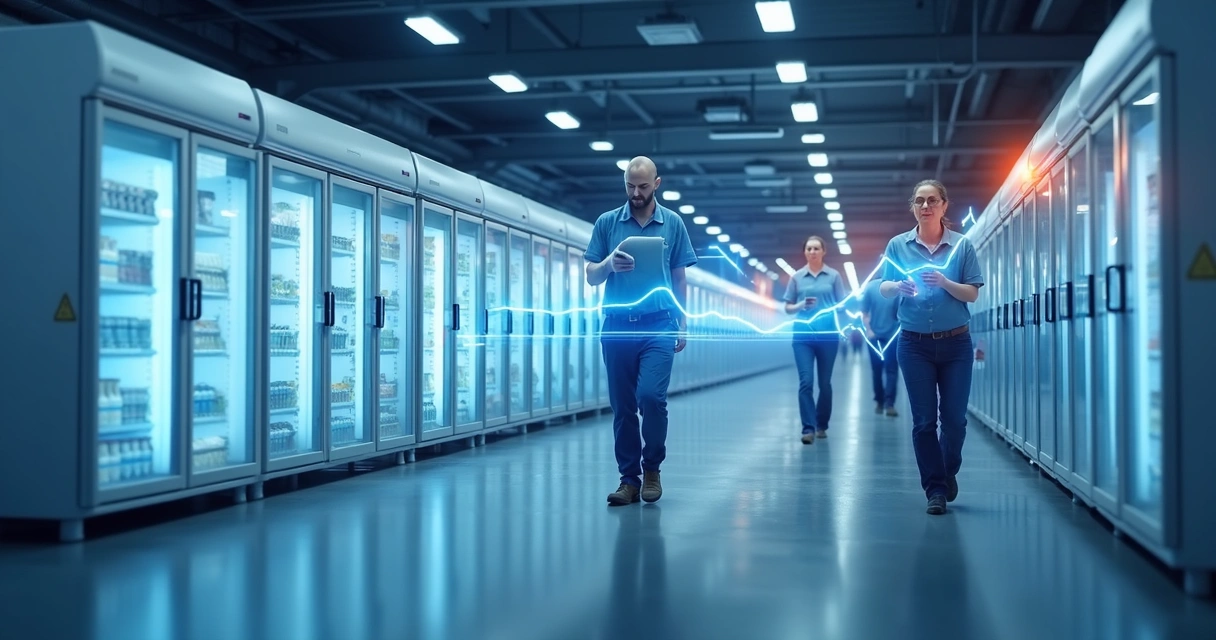
Think of a laboratory that stores vaccines for public health campaigns. A power outage happens at night. DROME detects atypical temperature variation and triggers an alert immediately, before supplies reach critical levels. The responsible person can transfer the vaccines in time. No doses are wasted. This anticipation is almost like a digital "sixth sense," a direct result of the power of predictive analysis combined with continuous monitoring.
Beyond the healthcare sector, the cold chain in food is also an area where the use of technologies like IoT is increasingly relevant. To learn more about the importance of this, it's worth reading about meat quality and monitoring technology.
Another recurring case involves pharmacy networks: by monitoring each step, from delivery to storage, the platform minimizes the chance of human errors or undetected failures. The result? Healthy inventory and guaranteed compliance.
Management and audit without headaches
Beyond prevention, there's another indirect but quite practical benefit: reducing time and problems in audits. Platforms with automatic reports and well-organized histories facilitate proof of compliance. They help not only in routine, but when that moment of inspection arrives, when every piece of data counts.
If the responsible person has been through an audit, they know the peace of mind that a detailed report provides. DROME was designed to assist in this process as well, combining accuracy, reliable record-keeping, and easy-to-access information.
Regarding learning from past problems, it's possible to see how technology can help in decision-making in risk management and innovation. Many companies that think they're ahead end up making the same mistakes due to lack of predictive monitoring and data analysis.
How to ensure competitive advantages?
Adopting predictive analysis and monitoring platforms means more peace of mind. Less loss, more credibility in the market, and confidence from clients and regulatory bodies. It's not just an advantage. It's practically a necessity for those who want to move forward, and not keep putting out fires after the damage is done.
Even those seeking alternatives end up realizing that many solutions fall short, especially in data integration, alert automation, and support for different business profiles. DROME also stands out by facilitating process management, including preventing common cold chain errors, as shown in the article about temperature monitoring in healthcare.
Anticipation is what separates loss from success.
Conclusion
The future is controlled by data, prediction, and agility. Predictive analysis, with the support of continuous monitoring and AI, already prevents losses and unforeseen events daily for companies everywhere. Choosing a solid solution makes a difference not only in the bottom line, but also in the peace of mind and reputation of each company.
Want to prevent losses, ensure quality, and transform your processes? Learn more about the DROME platform. We're ready to help and show that waste can indeed be part of the past.