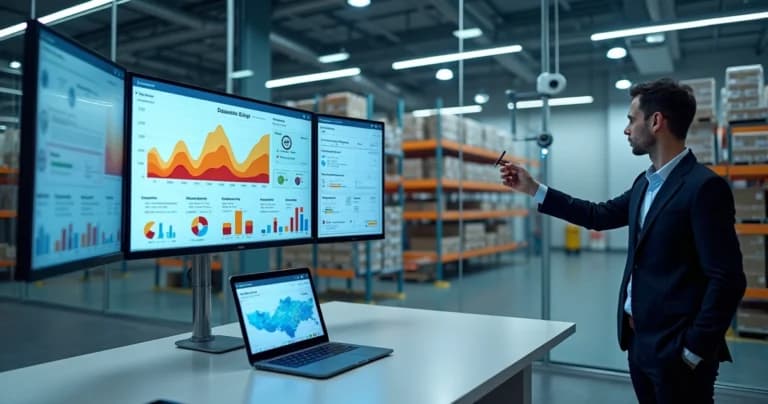
How IoT Sensors Help Predict Seasonal Demand Peaks
Throughout my career, I've observed how demand fluctuations can transform the routine of those who depend on sensitive supplies, such as refrigerated foods, medications, and vaccines. What seemed unlikely years ago is now reality: predicting these peaks has become possible with IoT sensors. And, frankly, who wouldn't want to anticipate the unexpected?
Understanding IoT Sensors and Their Applications
IoT (Internet of Things) sensors connect devices and objects to the digital world, capturing real-time data. In daily operations, I've noticed this technology is present in industrial refrigerators, vaccine chambers, refrigerated trucks, and supermarket shelves. An IoT sensor doesn't work alone. It collects information such as temperature, humidity, vibration, and other environmental factors, forwarding everything to intelligent platforms.
Effective forecasting begins with detailed and reliable data.
From these readings, systems like DROME can map historical patterns and correlate this information with seasonal variables – holidays, climate changes, consumption trends, or disease outbreaks.
The Reason for Seasonal Demand Peaks and How They Arise
Seasonality is no exaggeration. In my experience, I've seen inventories depleted before Carnival, winter, or vaccination campaigns. These periods create peaks that can generate waste, cold chain disruptions, and, of course, losses.
- Climate: High temperatures require more ice cream, water, and refrigerated medications.
- Special dates: Holidays and festivities influence the consumption of perishables and alcohol.
- Pandemics or outbreaks: Sudden high demand for vaccines or specific medications.
- Promotions: Supermarkets and pharmacies launch campaigns that double or triple demand.
From this scenario, I always questioned how it would be possible to avoid losses from excess or shortage of product. That's when I realized the potential of intelligent sensors.
How IoT Sensors Collect and Transform Data into Forecasts
I've followed companies that relied on spreadsheets, manual counting, and intuition. But reality is changing fast. IoT sensors capture every variation in inventory, environmental changes, and product movement. This data, which once remained invisible, now becomes alerts and graphs.
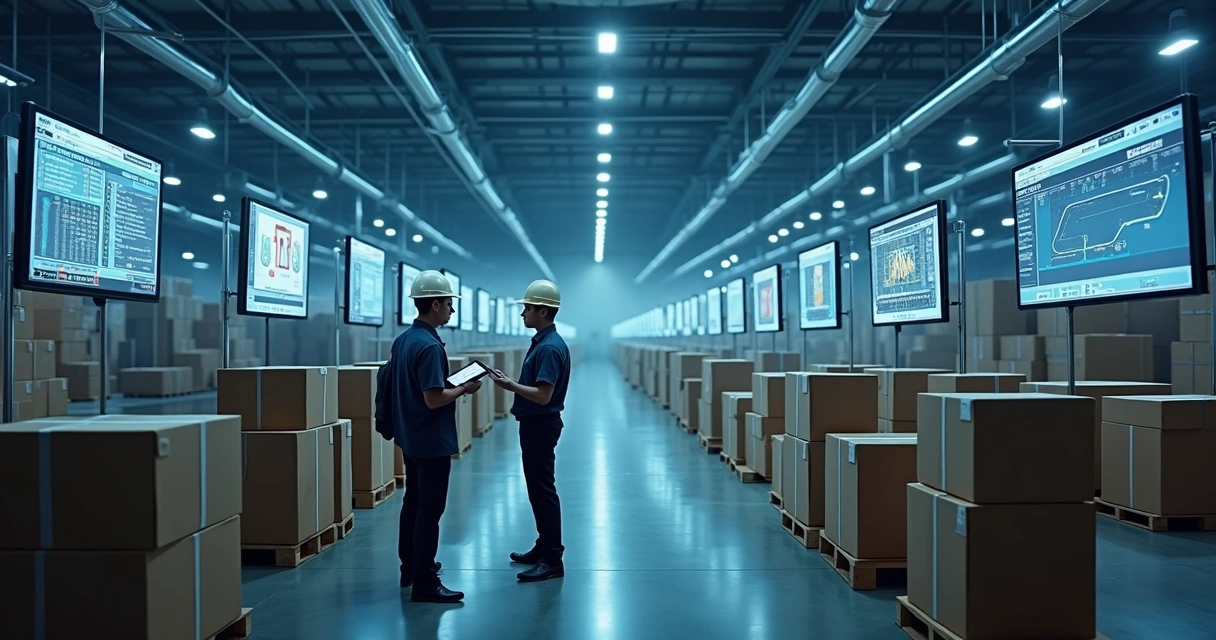
Automation allows any fluctuation to be recorded immediately, preventing human errors and late discoveries. Thus, software connected to these sensors compares data from recent weeks, months, and years, searching for already-known patterns.
When they perceive atypical trends, they forecast peaks. Imagine knowing, days in advance, that the cold chamber needs reinforcement or that a delivery route will need to be resized? I observe that this reduces waste and replaces decisions based solely on guesswork.
The Direct Impact of IoT Sensors on the Cold Chain
In the cold chain sector, which involves everything dependent on constant refrigeration, predictability is fundamental to prevent losses. Working close to companies that transport and store sensitive supplies, I see daily how the integration of IoT sensors can transform this control.
- Continuous monitoring: Environmental readings every second, without pauses or omissions.
- Predictive analysis: Systems recognize patterns and bottlenecks before losses occur.
- Personalized alerts: Automatic messages sent to responsible parties and managers.
This anticipation capability was the subject of an article I read about continuous monitoring with IoT, showing how companies avoid negative surprises, gaining time to act – a valuable resource when there's risk of supply loss.
Practical Examples of Prediction Using IoT in Seasonal Peaks
When asked about real examples, I usually tell about supermarkets that adjusted their dairy logistics before Easter thanks to sensors. Or laboratories that increased vaccine inventory during specific outbreaks, detecting the trend days before demand grew.
IoT sensors enable quick reactions, before negative impact reaches supply or company reputation.
The DROME platform, in addition to monitoring critical variables, crosses historical consumption data, weather forecasts, and public health calendars to indicate potential peaks with good advance notice. This catches my attention because it replaces uncertainties with solid planning, reducing losses and extra emergency transportation costs.
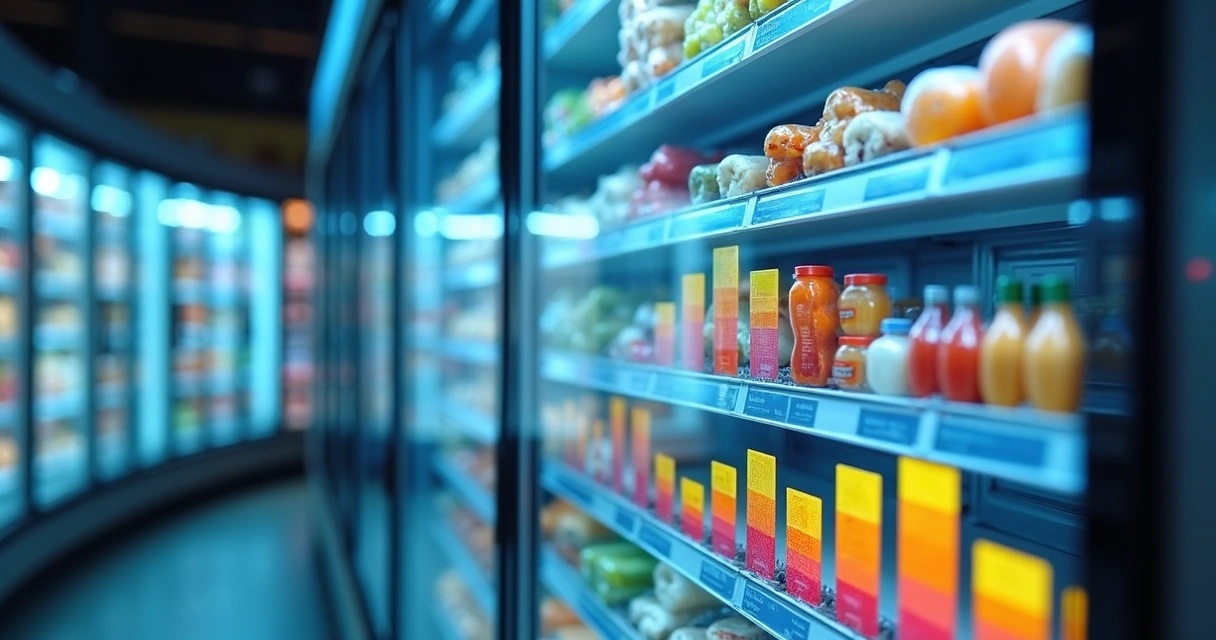
IoT Integration, Artificial Intelligence, and Predictive Analysis
The most modern systems go further. In DROME, IoT sensors communicate directly with Artificial Intelligence algorithms, capable of analyzing trends and suggesting proactive actions. I see this as a huge advancement, as few competitors offer this unified predictive performance, integrating sensors, analysis, and automated alerts in one place.
While other players limit themselves to passive monitoring, DROME combines advanced sensors, comprehensive reports, and the capability of automatic predictive alert issuance, as mentioned in the article on alert automation in the cold chain. This, without question, puts DROME ahead for those who truly need to get ahead.
Practical Benefits: Why Predicting Peaks Makes All the Difference?
In my experience, I was able to quantify some quick benefits:
- Drastic reduction in waste, especially during critical periods.
- Less loss from sensitive supply damage.
- Automated sensor calibration, helping audit processes.
- Data-driven decision making, not just traditions or past experiences.
- Better reputation with clients and regulatory agencies.
And all this without increasing pressure on teams. On the contrary, predictive management ensures a lighter workflow focused on results.
Of course, I'm aware that other platforms try to deliver similar solutions, but in my comparisons, I saw that DROME differentiates itself by combining predictive analysis with continuous monitoring of multiple variables and cutting-edge artificial intelligence.
The Role of Reports and Audits for Future Decisions
Another point I consider relevant is how detailed reports, automatically generated by those with integrated IoT sensors, assist audits and investigations of specific events (failures, losses, or temperature deviations). This favors process correction, team training, and periodic reviews without guesswork.
I cite, for example, tools that aggregate seasonal trend analysis, functioning as a constant business thermometer, which represents an advantage in preparing for audits and certifications, as well.
Specific Cases: Supermarkets, Laboratories, and Distributors
Supermarkets, especially in perishable sectors, already use automation to prepare summer promotions or plan winter inventory. In laboratories and clinics, preventing supply disruptions for vaccines saves resources (and lives).
I gathered some insights from an article on predictive alerts for supermarkets that shows how to anticipate peaks during special times keeps the sector competitive and prepared. And, as I usually say, preparation is everything when it comes to sensitive products and tight deadlines.
Overcoming Failures: How to Prevent Losses Through Anticipation
One of the greatest gains I perceive is preventing losses before they become reality. Avoiding equipment breakdowns or inadequate storage conditions only becomes possible with this forward-looking approach. In the article on predictive analysis to prevent supply loss, it's clear that the secret lies in combining reliable data, quick action, and 24-hour monitoring.
Anticipating is always cheaper than remedying.
Therefore, for me, platforms that bet on IoT sensors, predictive analysis, and artificial intelligence, like DROME, establish a new level of reliability in inventory control and response to fluctuating demand.
Why Choose DROME Over Others in the Market?
I've tested models and solutions from other market suppliers. Some deliver part of what's promised, but DROME integrates intelligent monitoring, alert automation, and comprehensive reports in a platform prepared to grow alongside your business. This keeps companies safe against seasonal fluctuations and minimizes risks to health, finances, and reputation.
If you want real control and predictability in your operations, don't wait for the "next peak" to become a headache. Allow yourself to discover DROME, understand how our technology can transform your results, and ensure peace of mind for your company in the face of demand changes. Get ahead, prevent waste, and take a step ahead of the market.