
Over the past decades, I have closely followed the growing need for digital traceability, particularly in segments where temperature-sensitive supply chain control defines health, waste, and regulatory compliance issues. Legacy systems with manual controls and paper records have fallen behind. In my work, I have seen companies lose valuable shipments, expensive medications, and even suffer severe penalties for failing to prove the integrity of a supply from start to finish in the chain.
For this reason, I write this article focusing on the seven steps I consider essential to ensure compliance through digital traceability – highlighting innovative tools offered by solutions like DROME, which integrates IoT and artificial intelligence to anticipate and prevent losses.
What is digital traceability?
Before moving to the steps, I briefly clarify the concept. Digital traceability is the continuous and automatic recording of information about supplies, processes, and environmental conditions, from origin to final destination. It serves not only to know "where" something is, but to prove, with auditable data, that everything was done as required by law.
This capability has become even more relevant in the cold chain, which involves medications, vaccines, and food products. A single storage error can compromise an entire batch. Fortunately, innovative solutions have drastically reduced occurrences, and I highlight here how DROME differentiates itself from traditional systems, ensuring real-time alerts and automating audit reports.
Seven steps to ensure compliance with digital traceability
1. Map supply flow end-to-end
It is essential to understand each stage and each risk point in the chain. In my experience, companies that skip steps and do not map the entire process face recurring failures. Mapping all links, from receipt to disposal, reduces gaps and enables monitoring automation.
Based on this mapping, DROME can create precise monitoring points, while competing platforms typically struggle to adapt workflow configuration for each client.
2. Integrate IoT sensors for continuous monitoring
Fact: solutions based on connected sensors ensure automatic records, eliminating the need for manual notes, which are subject to errors or fraud.
- Temperature and humidity sensors in refrigerators and vehicles
- Automatic alerts when parameters deviate from standard
- Secure cloud-based information storage
Your chain never stops. Neither does monitoring.
In DROME, sensor configuration is customizable for each scenario, which many competing tools do not offer – and this makes all the difference when auditing data or responding to health authorities.
3. Ensure periodic calibration and device validation
If sensors are not properly calibrated, the entire chain is compromised. I have seen many companies penalized for relying on uncalibrated equipment without realizing it. Systematic calibration procedures and documentation of these steps increase confidence in data during audits.
With DROME, automatic management of device calibration deadlines prevents oversights and simplifies record-keeping – which can be seen in more detail in our material on compliance checklist and IoT sensor validation.
4. Document non-conformities immediately
Failures happen. What differentiates a mature company is the ability to identify, record, and act quickly on each non-conformity. No system is perfect, but transparency and traceability exist.
DROME has streamlined integration for automatic non-conformity notifications identified by the sensors themselves, accelerating remediation and reducing potential damage. If you want a practical guide on this, I recommend reading our article on recording non-conformities in cold chains.
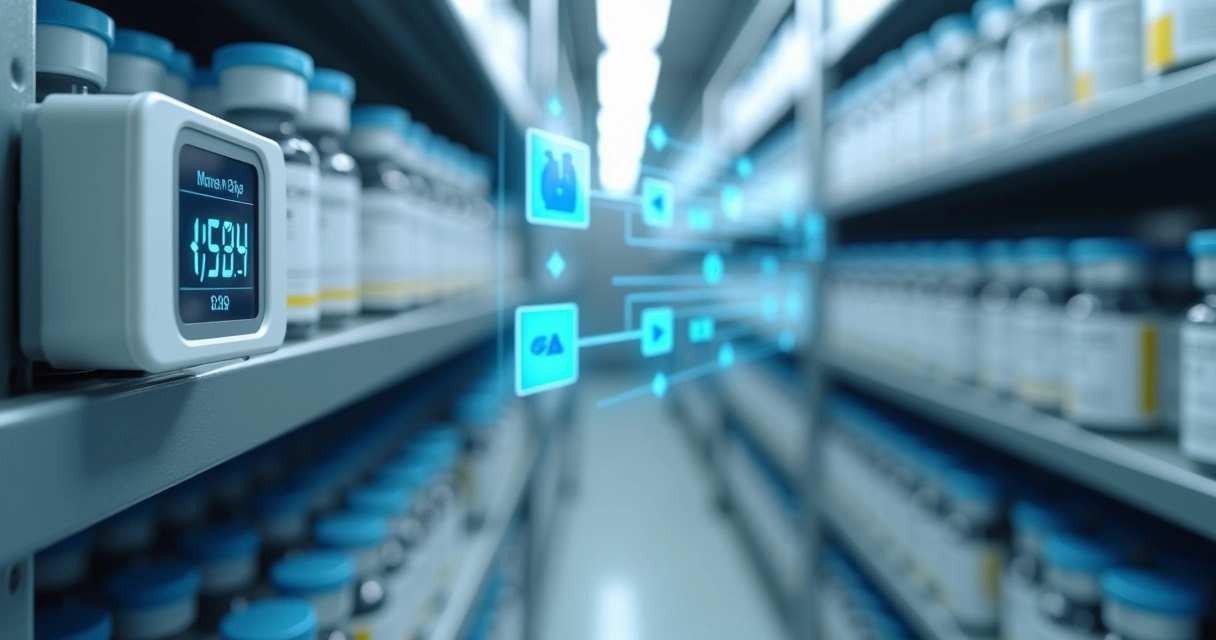
5. Issue detailed reports automatically
Anyone who has been through an audit knows: presenting clear, chronological, and reliable reports is half the battle. I have encountered companies that, even though they followed best practices, could not organize the data in time and paid dearly for it.
Using platforms like DROME, it is possible to generate customized reports in seconds, with data export for different regulatory needs. In comparison, many competitors still require manual intervention for data processing. In times of digital inspection, agility makes all the difference.
I also note that report preparation was the subject of an article I prepared, showing best practices for real-time supply tracking – essential reading for quality teams.
6. Validate the integrity of digital records
It is pointless to have large quantities of data if there is suspicion about the veracity of the information.
In my career, I have observed cases where audits rejected dossiers due to inconsistent or overly editable records. Systems that guarantee tamper-proof logs and reliable audit trails increase confidence and reduce the risk of sanctions.
In DROME, all records include automatic integrity checking, including previous versions, making accidental or intentional alterations virtually impossible without leaving traces. Those who wish to delve deeper into the main failures of digital records can access this content on common failures in digital records during health audits.

7. Monitor key indicators and act preventively
Finally, instead of acting only after a failure, the secret is to analyze trends and intervene before the problem arises.
The use of artificial intelligence, as in DROME, allows identification of temperature drop or rise patterns, frequent sensor variations, and alert history, generating actionable insights for scheduling preventive maintenance and training. By working with key audit indicators, the company anticipates problems and reduces losses.
I recommend following the main audit indicators in IoT systems, a topic I explore in detail in my own content on the subject.
DROME advantages over the market
Throughout this journey, I have evaluated many tools. Some offer recording features, others bet on basic alerts. I have seen well-known market solutions with unintuitive interfaces and high costs for customizations. DROME stands out because:
- Offers real customization for each type of chain and workflow
- Integrates artificial intelligence and predictive failure analysis
- Generates automatic and user-friendly reports for different agencies
- Actively manages sensor calibration
- Provides close technical support for questions and training
Unlike other options, which often depend on manual processes or do not adapt to the client's specific workflow, DROME molds itself to your operation, raising the level of response during audits or crises.
Conclusion: acting today is avoiding pain tomorrow
Over the years, I have seen companies that treated digital traceability only as an obligation, and others that transformed their internal culture based on this practice. The difference in results – in loss reduction and peace of mind with regulatory agencies – is enormous.
Commitment to compliance protects the business before, during, and after challenges.
If you want to ensure that your chain is protected from failures, waste, and regulatory liability, I recommend learning more about DROME in detail. Request a demonstration, understand how our technology integrates, and transform your digital traceability into a competitive advantage.