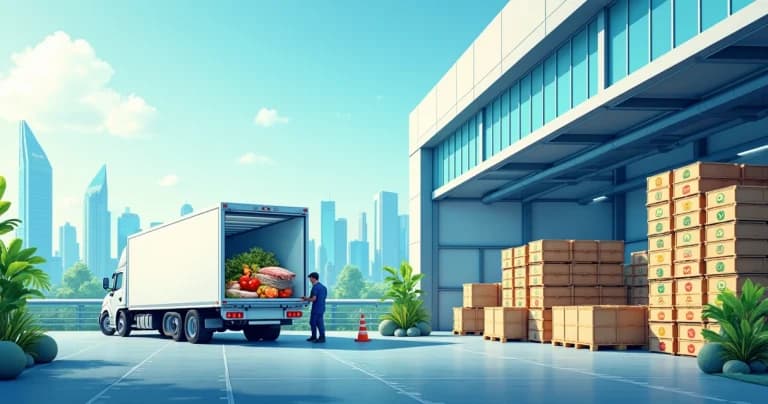
Understanding cold chain in modern logistics
The cold chain is essential for maintaining the quality of food and pharmaceuticals, especially in Brazil. Despite being a major producer of fruits and meats, the country exports only 3% of its production due to lack of infrastructure, as shown by Mordor Intelligence. This opens space for improvements and innovations. Growing demand for efficient solutions should drive the market, which is expected to grow 14.8% annually through 2028, according to Grand View Research.

Sustainability and artificial intelligence in cold chain
Today, caring for the environment is more important than ever, and sustainability is at the center of this effort. When we talk about the cold chain, it is essential to find ways to make it more efficient and eco-friendly. Here are some simple tips on how you can help in this transformation:
- Shorter routes: Plan deliveries with trajectories that reduce time and carbon emissions.
- Intelligent monitoring: Use technology to control temperature and humidity, ensuring products arrive in perfect condition.
- Demand forecasting: Use data to better understand when and how much products will be needed, avoiding excess and waste.
These small actions can make an enormous difference. The use of artificial intelligence in the cold chain could be a great ally in this task!
Green logistics practices to reduce losses
Adopting sustainable practices in logistics is essential, especially when we talk about the cold chain. This involves properly caring for products that require temperature control. Here are some actions that help minimize losses and contribute to the environment:
- Sustainable packaging: Using materials that are easy to recycle and maintain product quality.
- Efficient transportation: Preferring vehicles that consume less fuel and pollute less. This helps reduce costs.
- Team training: Teaching employees to handle and store products properly, ensuring greater safety and care.
These small attitudes make a big difference. In addition to improving efficiency, you also show that you care about the future of our planet.
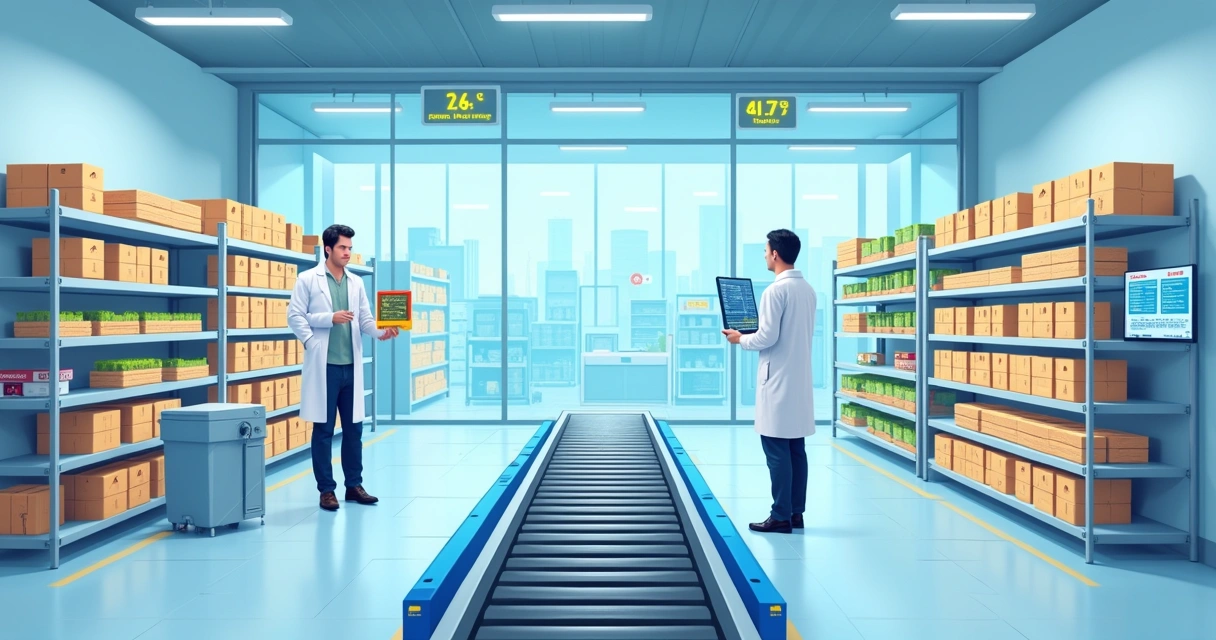
Monitoring technologies and refrigerated storage systems
For the cold chain to work well, it is essential to use monitoring technologies and appropriate refrigerated storage systems. These tools help ensure that food and pharmaceuticals reach consumers in perfect condition. For example, sensors that monitor temperature and humidity can send alerts when something goes wrong, preventing losses.
Some recommended practices include:
- Continuous monitoring: Ensuring that adequate conditions are maintained at all times.
- Automation: Using automated systems to improve management and ensure quality.
- Data integration: Analyzing information to optimize logistics processes.
A study at Scielo shows how following ANVISA guidelines is crucial for maintaining product safety. Additionally, the Global Cold Chain Alliance highlights the importance of automation in sector efficiency.
Challenges in maintaining controlled temperature
Maintaining the right temperature in the cold chain is crucial to ensure the quality of food and pharmaceuticals. Small failures can cause major problems, such as waste or even health risks. Here are some essential precautions:
- Equipment failures: A broken refrigerator can spoil an entire batch, resulting in significant losses.
- Transportation conditions: Intense heat or unexpected climate changes can damage what is being transported.
- Team training: Prepared employees can quickly identify and resolve problems, preventing damage.
Adopting technologies, such as real-time monitoring systems, is an excellent solution. They help keep everything under control and ensure that products reach consumers in perfect condition, preserving their quality and safety.
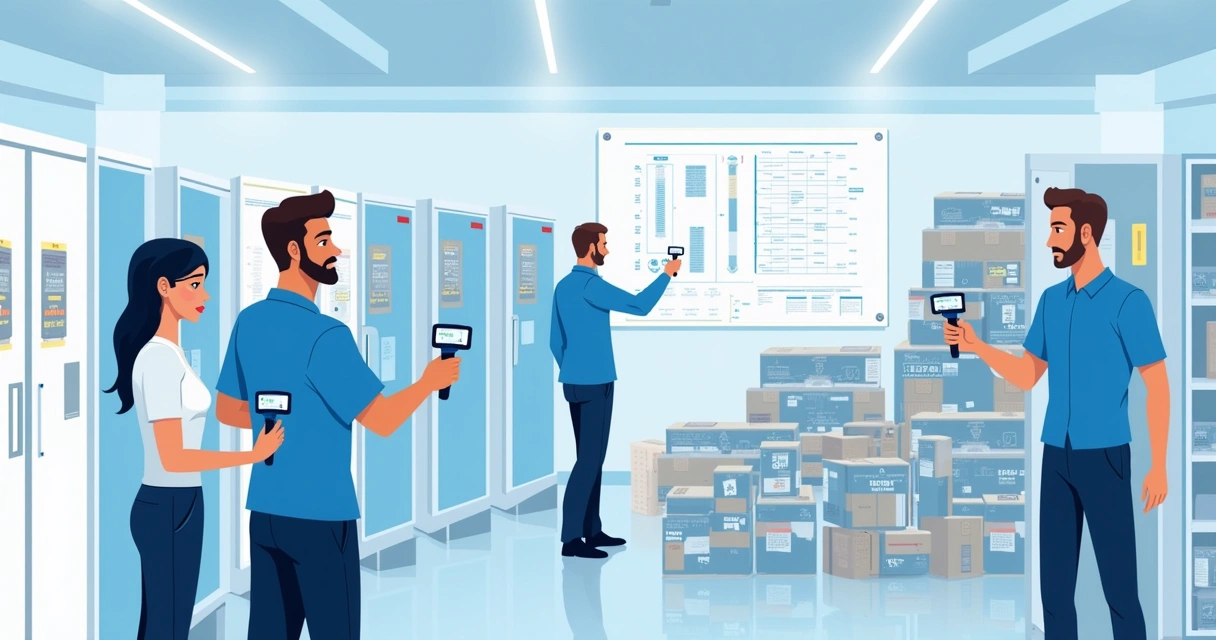
Professional training and regulation in cold chain
In the cold chain, every detail matters. To ensure that products arrive in good condition, it is crucial that professionals are well trained. Imagine, for example, someone who doesn't know how to use a thermometer correctly. This lack of knowledge can result in significant product losses. Additionally, there are rules and standards that help maintain the quality of food and other temperature-sensitive items. This is not just a matter of control, but also of safety. Continuous training is necessary so that everyone knows how to handle the latest technologies and processes. Think of an operator who deeply understands how refrigeration equipment works; he makes all the difference! The combination of knowledge, best practices, and compliance with regulations makes this chain stronger and more efficient, benefiting both consumers and the environment.
Supply chain resilience and climate change
Supply chain resilience is essential for us to deal with climate change. Events such as floods and droughts can damage food production and transportation. For example, if perishable products are not maintained properly, they can spoil quickly. Technologies, such as real-time monitoring platforms, help maintain product integrity. Additionally, automation allows anticipating problems and preventing losses. Therefore, it is important to invest in learning and rules that ensure food quality and safety, even in difficult times.
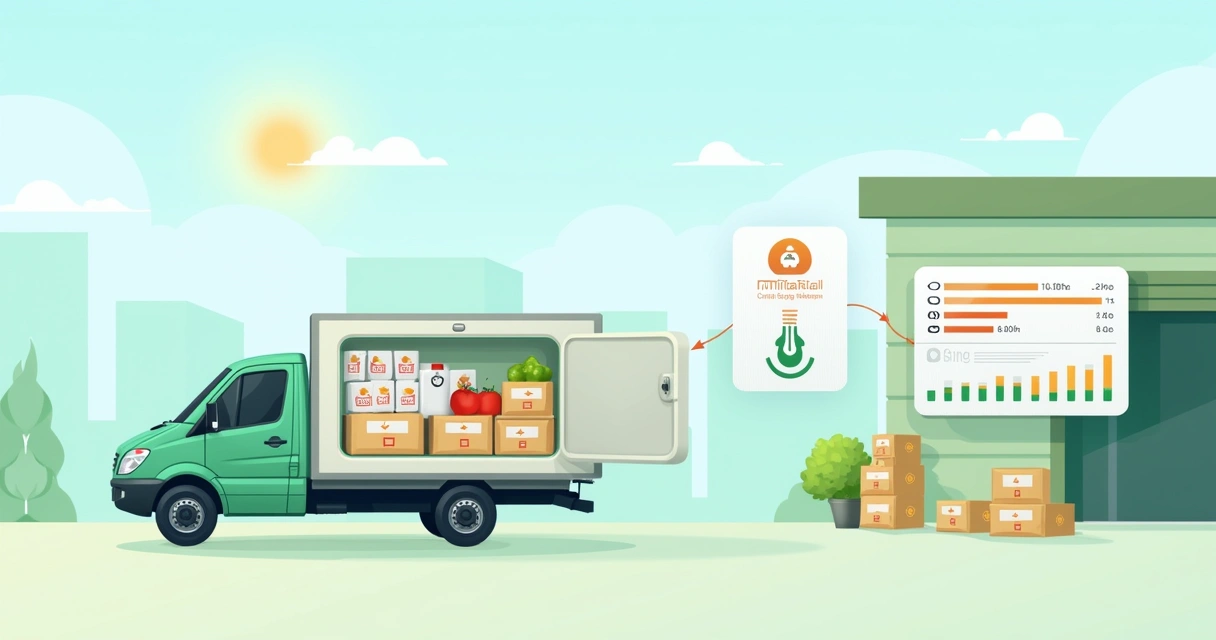
Frequently asked questions about cold chain
Understanding the cold chain is essential to ensure that products, such as food and pharmaceuticals, reach you in perfect condition. Imagine the frustration of receiving a medication that was not stored correctly, right? Continuous monitoring, as done by DROME, prevents these losses and ensures that everything remains safe and fresh until delivery.
What is understood by cold chain?
The cold chain is an essential system that ensures products, such as food and pharmaceuticals, are maintained at the correct temperature. This helps preserve the quality and safety of items we consume. For example, imagine receiving fresh fish instead of one that has already spoiled. Each step, from production to delivery, requires special attention. Use of technologies and trained professionals are crucial to ensure everything arrives in good condition. When the cold chain works well, everyone wins: satisfied consumers and quality products!
What is the cold chain in the context of perishable foods?
Maintaining the cold chain is essential to ensure that foods such as meats, dairy products, and vegetables remain fresh and safe. For example, fruits need to be refrigerated to prevent them from rotting quickly. When these products are not stored at the correct temperatures, they can lose flavor, texture, and even cause illness. Imagine receiving milk that was left out of the refrigerator for hours; besides being spoiled, it can be dangerous. Therefore, taking care of this process is fundamental for food quality and safety. Pay attention to storage conditions!
What does cold chain maintenance mean?
Maintaining the cold chain is essential to ensure that products such as vaccines and food arrive in good condition. This involves constantly monitoring temperature and humidity. For example, imagine receiving a vaccine that was not stored correctly; it may not work. It is also important to care for the equipment used and train the teams that handle it. Thus, a simple error can lead to major losses. Therefore, small precautions make all the difference in ensuring quality and safety, benefiting everyone from manufacturers to end consumers.
What is the difference between cold network and cold chain?
The cold chain is essential for maintaining the quality of food and pharmaceuticals. It goes from production to the consumer's table. For example, when leaving a cold storage facility, products are refrigerated and transported in temperature-controlled trucks. If this logistics fails, the food can spoil. Another important point is the infrastructure, such as warehouses and equipment, that ensures everything stays at the right temperature. Thus, both the network and the cold chain work together to preserve safety and quality, preventing waste and losses.
What is the importance of cold chain for food safety?
The cold chain is essential for keeping food fresh and safe. When this chain is not followed, products such as meats and dairy can spoil, leading to serious illnesses. Imagine opening the refrigerator and finding food with a bad smell! This is where the importance of monitoring techniques, such as those from DROME, comes in, helping to ensure correct temperatures at each stage. Additionally, training the team on how to store and handle these products is fundamental for consumer safety and food quality.
What is the importance of cold chain in food transportation?
Have you ever stopped to think about the importance of the cold chain in food transportation? Imagine receiving wilted fruits or spoiled meats. This happens when temperature is not maintained. Keeping products fresh is essential for them to reach consumers in good condition. For example, the use of monitoring technologies, such as those from DROME, helps ensure that everything is at the right temperature. Thus, we avoid waste and also preserve our health. Taking care of this chain is not just the responsibility of those who transport, but of all of us, attentive consumers.
What is the importance of the cold point of food and what is it used for?
Did you know that maintaining the proper temperature of food is fundamental for health? The cold chain is the process that ensures products such as meats and dairy are stored at specific temperatures. For example, fish should be kept at -18°C to preserve its flavor and prevent contamination. If foods fall outside this range, they can deteriorate quickly and even cause illness. That's why paying attention to storage is so important. Taking care of logistics is essential to offer fresh, quality food for you and your family!