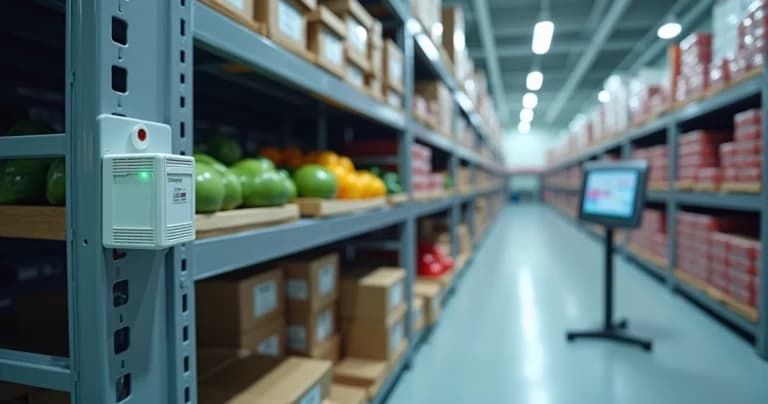
When I think back to my visits to perishable food storage facilities, I've always been struck by how a small detail can compromise tons of products. One extra minute with a door open, equipment losing power overnight, or even a simple human error is enough to cause significant problems. While researching solutions for this type of situation, I realized the critical role wireless sensors play in transforming storage security and reducing losses that were previously accepted as inevitable.
Why does wireless monitoring make a difference?
If someone asks me today how to prevent losses in perishable foods, my first answer is: invest in wireless sensors coupled with intelligent platforms. They monitor temperature, humidity, and other factors in real time, require no cables, and offer mobility to adjust according to layout changes or storage expansion.
Unlike older, centralized equipment, wireless sensors enable personalized coverage. You can monitor every corner, shelf, or critical area without extra infrastructure costs. Additionally, as I've experienced in multiple projects, quick installation requires almost no downtime for storage operations. It's a practical gain, especially for those working with foods that cannot wait.
Practicality and agility are the secrets to preventing valuable food loss in storage.
Environmental challenges and their influence on performance
In my experience, perishable storage environments impose unique challenges for wireless sensors:
- Physical barriers such as metal shelves, cold rooms, and tall racks hinder signal propagation.
- Condensation, constant humidity, and low temperatures require robust sensors and special housings.
- Interference from other devices or wireless networks can cause instability.
The secret lies in choosing sensors designed for this type of environment. I've compared several competitor models and notice that projects focused on specialized environmental monitoring, like DROME, deliver superior performance. Our sensors are engineered to operate for extended periods at sub-zero temperatures, with long-lasting batteries and sensors that communicate even when obstacles are present.
What factors make a wireless sensor more reliable?
I see many managers concerned with battery autonomy and information accuracy. And rightfully so. The reliability of these sensors depends on characteristics that cannot be overlooked:
- Reading precision within truly critical intervals (for example, variations below 1°C already trigger alerts in dairy and meat storage).
- Easy integration with modern management platforms, such as specialized SaaS solutions.
- Automatic signal recovery after power failures or Wi-Fi interruptions.
- Regular calibration and automatic report generation for audits.
I'm satisfied to see that, in practice, DROME wireless sensors combine these characteristics and also offer predictive alerts via artificial intelligence, anticipating problems before they cause losses. This preventive approach makes all the difference in the daily routine of those managing shelves and refrigerators full of sensitive products.
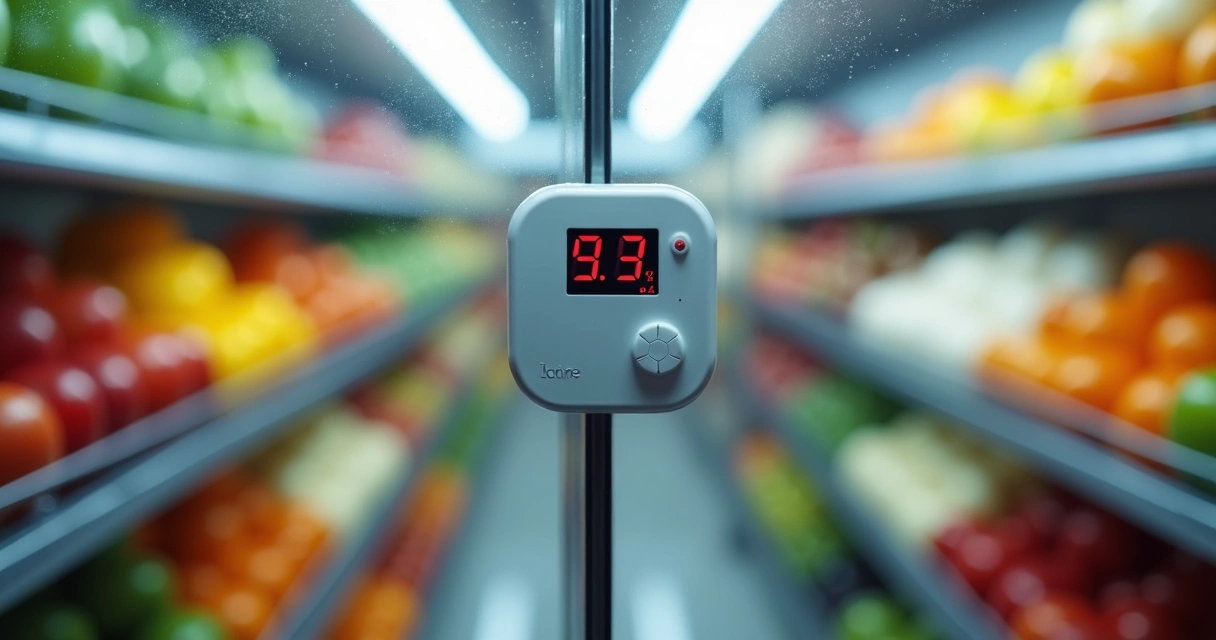
How to ensure efficient coverage?
Simply installing sensors does not guarantee storage protection. I've observed some common mistakes:
- Concentrating sensors only in "apparently" critical areas.
- Neglecting upper or lower shelves, where microclimates can occur.
- Poor positioning, compromising both variable capture and signal communication.
I typically recommend detailed installation planning. DROME, for example, provides support to define the ideal number of sensors and their best placement. This maximizes coverage, saves time, and reduces failure chances. This guidance is one of the exclusive advantages of our platform compared to competitors who often simply sell equipment without worrying about consultative support.
The role of SaaS in data monitoring
When a sensor detects an out-of-pattern change, simply recording it isn't enough. It's important to process that data quickly and generate an alert for immediate action. SaaS monitoring platforms, like DROME's, not only do this but store historical data, enable audits, and simplify continuous monitoring by the manager, wherever they are.
There are solutions on the market that offer something similar. However, I notice in practice that features like automatic report generation for regulatory agencies, system-scheduled calibration, and integration between sensors from different manufacturers are important differentiators. DROME was born with the vision of combining the best in sensors and intelligent platforms, bringing monitoring within everyone's reach.
For those wanting to better understand how these platforms work, I recommend checking this detailed content on essential features of software for temperature and humidity monitoring in food environments.
Wireless sensors and simplified audits
In my contact with food industry managers, I see increasingly stringent audit requirements. The ease of collecting automatic reports with readings, alerts, and calibration history accelerates processes and reduces regulatory risk. This is exactly what platforms like DROME, focused on this audience, offer: automatic generation of reports for accountability in health inspections or certifications.
There are even real cases worth highlighting. In a case study on loss prevention in the food sector, you can see how sensors connected to intelligent systems made a difference in preventing losses and identifying storage improvements.
How to avoid failures and losses even with sensors installed?
Many believe that once a sensor is installed, you just wait for alerts. But it's not always that simple. In my conversations with experts, one point always emerges: real prevention is linked to intelligent data use, frequent maintenance, and device updates. Some managers have learned this the hard way, when they ignored alerts or failed to update old sensors without support.
Among the best practices I recommend are:
- Train the team to respond quickly to issued alerts.
- Periodically review sensor calibration and functionality.
- Stay alert to possible firmware updates offered by the reference supplier.
- Manually record any actions taken after alerts, complementing the digital database.
By adopting these measures, wireless sensors truly fulfill their function: protecting storage and ensuring food reaches consumers safely. Those wanting to see practical examples can check specific tips for preventing IoT sensor failures in the cold chain.
Why is DROME different?
Some companies offer sensors with good specifications, but I believe DROME stands out especially for its complete support from start to finish. A point I consider decisive is the ability to monitor multiple variables in real time, deliver predictive alerts, and simplify the daily routine of the storage manager. Our sensors are designed to be robust, easy to install, and come with close technical support, plus software constantly updated based on user experience.
The presence of features like calibration management for audits, quick integration of new sensors, and report customization puts DROME in another league. I've seen competitors fall short precisely in the absence of this combination of technology and customer support.
For managers concerned with real-time audit processes, there's also dedicated content on the subject that can clarify many practical questions.
Convenience, security, and complete visibility
In today's scenario, I cannot imagine managing perishable food storage without intelligent sensors and advanced platforms connected via IoT. With DROME, environmental monitoring ceases to be a passive task and becomes a valuable source of information for decision-making. For those seeking to expand this protection and reduce risks, I also share material on how environmental data helps prevent storage losses. Applicable information is worth gold, or in this case, tons of preserved food.
With the right information at the right time, you prevent losses and guarantee quality food.
If you want to ensure the security of your perishable food storage with the most advanced wireless sensor technology, I recommend learning more about DROME. Visit our website and see how to transform your routine with more security and less waste.