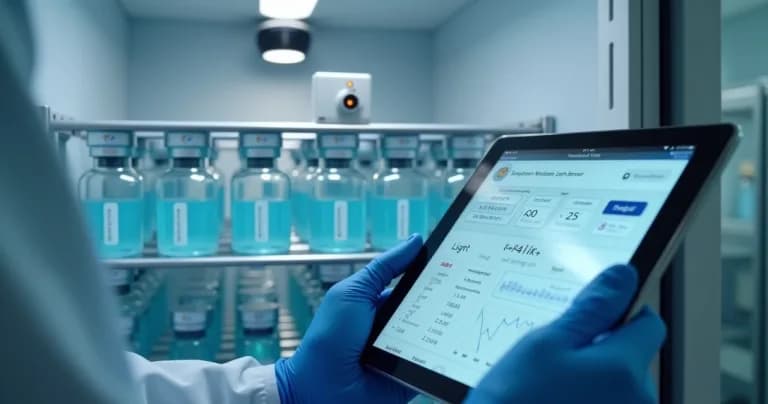
When I began my journey in monitoring sensitive inputs, I noticed that almost everyone thought first about temperature. Understandable. However, over time, I realized that an equally important factor – but frequently underestimated – is light exposure. Today I want to show, with everything I've learned, why luminosity control makes all the difference for vaccines.
The influence of light on vaccines
When people talk about vaccines, most associate their care with thermal control, logistics, and expiration dates. But few remember the direct and indirect risks that light can cause to these substances. I like to illustrate with a question:
Your vaccine is protected from temperature, but what about light?
Various types of vaccines contain delicate components that can undergo physical and chemical reactions when exposed to light, especially ultraviolet (UV) light. This is not uncommon in warehouses, public exposures, and especially in transportation.
- Vaccines with attenuated viruses are especially fragile;
- Constant light exposure can inactivate active ingredients;
- Photochemical reactions can generate unwanted byproducts, increasing health risks.
In my experience, I've seen entire batches discarded due to loss of efficacy resulting from poor light protection. Protection against light and radiation is as indispensable as temperature control in the vaccine preservation process.
How does light deteriorate vaccines?
Few people see what happens microscopically, but the effects are concrete. With the energy transmitted by light, there is breakage of sensitive molecules in vaccine formulations. This can result in:
- Partial or total loss of immunizing effect;
- Formation of free radicals and degradation products;
- Alteration of physical appearance, color, or odor;
- Reduction of real shelf life, even within the legal timeframe.
I've followed technical investigations where problems began with "a little light coming into the refrigerator." The diagnosis showed evident chemical alterations, detectable only thanks to rigorous monitoring.
Those who depend on precise reports for audits or health inspections understand how every detail matters. An automated recording system allows rapid identification of any luminosity variation outside the safe standard, preventing financial losses and public health risks.
Types of light and impact on vaccines
It's common to think only of direct sunlight. However, in my studies and visits to storage centers, I saw that artificial lights (LEDs, fluorescents) also pose risks, albeit on a smaller scale and depending on the emitted spectrum.
Three points deserve attention:
- Ultraviolet light: primarily responsible for rapid and irreversible damage.
- Intense visible light: can, over months, induce some chemical alterations.
- Residual lights in nighttime environments: even small emergency lamps, if poorly designed, can be harmful to certain vaccine stocks.
Light monitoring: how does it work?
If you work with vaccine management, you may already use Temperature Monitoring Devices (TMD). But honestly, most of the time I see light treated as secondary, almost as a "bonus." At DROME, we invest in a system where light monitoring is integrated with other critical environmental variables.
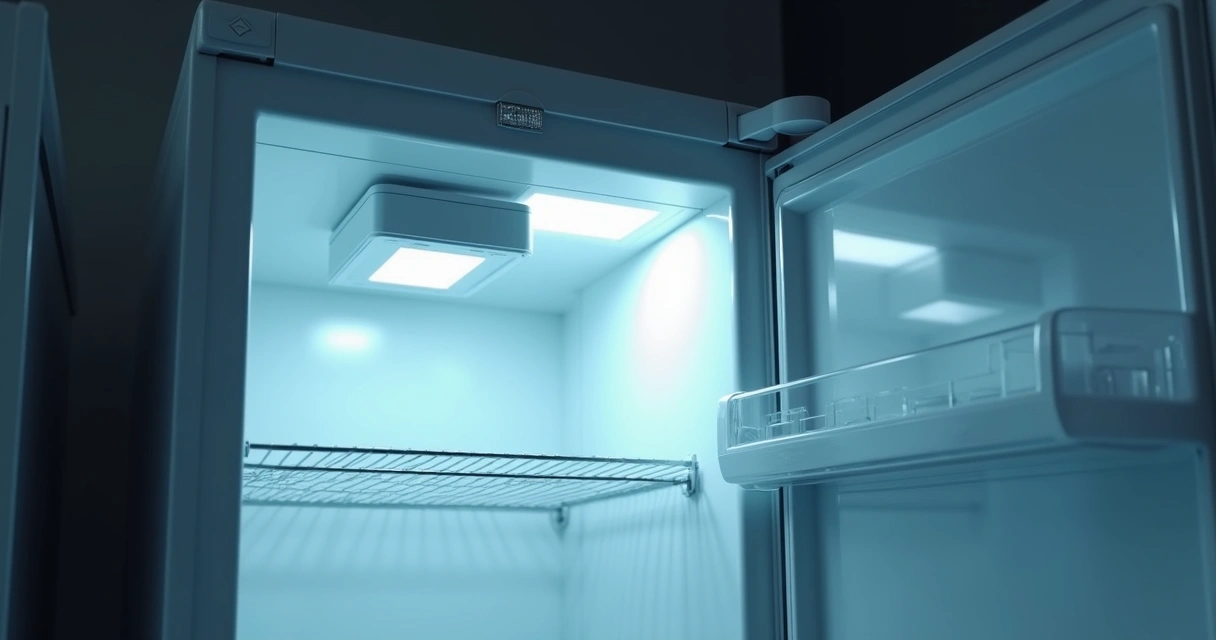
Good light monitoring should include:
- Calibrated sensors positioned to capture any direct or indirect light incidence;
- Continuous and real-time recording of lux levels;
- Automatic alerts in case of exposure above permitted levels;
- Reports integrated with audit management and internal routines.
I've seen other providers limit their sensors only to monitoring outside refrigerators. At DROME, we prioritize localized analysis adjusted to the storage context, covering internal sensors, external sensors, and easy-to-use customized reports. And I don't know of any solution in the Brazilian market that achieves the same level of adaptable sophistication that we offer.
Best practices to avoid undue light exposure
Combining technology, continuous training, and robust protocols, it's possible to practically eliminate light-related risks. I recommend some best practices that I always apply in consultations and training:
- Avoid opening cold chambers and refrigerators beyond what's necessary;
- Use smart sensors and verify positioning;
- Protect vials with opaque packaging, if permitted by technical protocol;
- Invest in alarm systems for unexpected light incidence;
- Train the team to identify and record risk situations;
- Ensure automatic records and centralized historical data in the cloud, as in the DROME system.
Additionally, I recommend frequently studying references on cold chain and the interactions of light with temperature and humidity, as everything is connected.
Integration with other types of monitoring
After many implemented projects, it became clear to me that monitoring luminosity makes sense when integrated with complete monitoring of environmental variables. Temperature, humidity, vibration, and light variations are inseparable in a truly safe process.
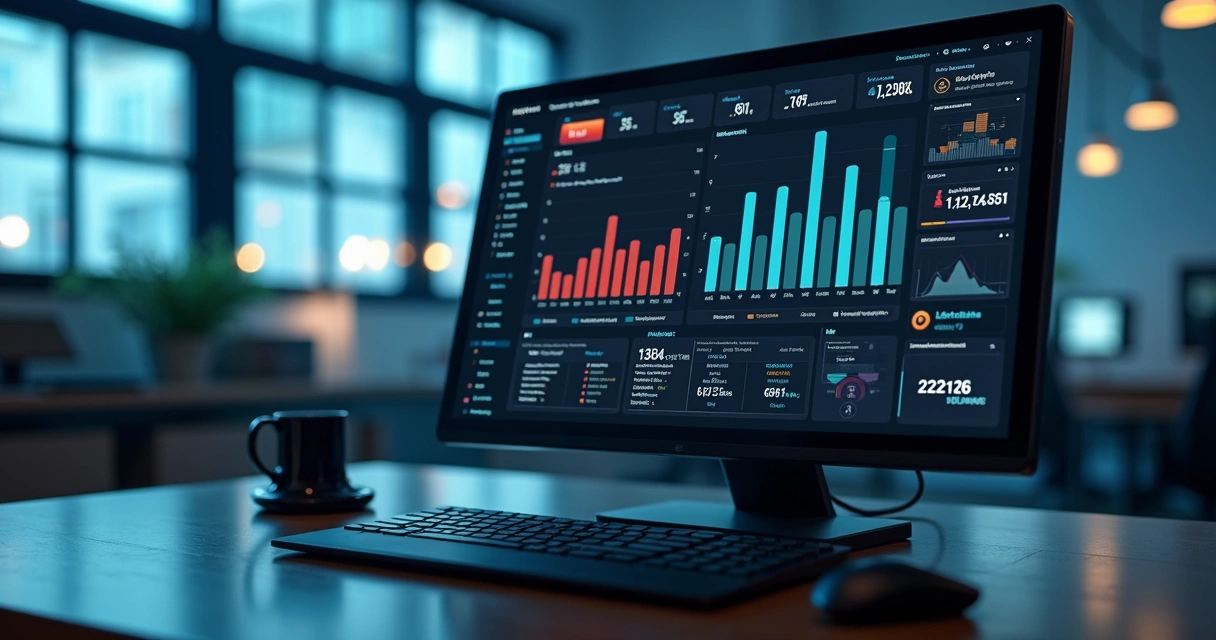
I see that other systems, including competitors', don't offer such fluid data integration, which can hinder proactive identification of compound risks. DROME does it differently, with centralized reports, early alerts with predictive intelligence, and an interface that facilitates audits and quick decisions.
Those seeking to deepen this topic can study more about types of sensors used in real-time vaccine monitoring, expanding the view beyond temperature to luminosity and other critical factors.
Direct impacts on public health
It's pointless to guarantee perfect physical storage and comply with all logistical requirements if light exposure renders vaccines ineffective or, worse, dangerous. Monitoring luminosity protects vaccine efficacy, avoiding ineffective immunizations and unnecessary rework.
Failures in this care can generate:
- Epidemics caused by ineffective vaccination;
- Financial waste for public and private agencies;
- Need for additional campaigns and increased logistics costs;
- Legal conflicts at vaccination sites due to adverse effects.
In my work, I've followed real cases where the resource saved entire stocks by rapidly identifying the problem before any public failure. Using platforms like DROME really makes a difference in this process.
How to choose the best system?
When evaluating solutions, I recommend considering:
- Ability to integrate light sensors with other monitoring (temperature, humidity, etc);
- Ease of report generation and audit assistance;
- Artificial intelligence to predict failures, as we already work with at DROME;
- Specialized technical support;
- Accessible interface in Portuguese.
I've compared foreign systems or Brazilian competitors, and most fall short in one of the above points – or don't address all of them together. Our differential lies precisely in the union of automation, prediction, and complete customization to each client's demands.
If you want to learn more practices to avoid risks in vaccine monitoring, I suggest consulting this list of common errors I prepared recently, which also addresses light exposure issues.
Vaccine transportation: does light matter too?
Many people think it's enough to monitor only at fixed points. However, during vaccine and medication transportation, the box can be opened to sunlight or artificial light (truck lamps, warehouses, clinics) and that alone is enough to damage sensitive vaccine components.
It's not enough to guarantee temperature; light during transportation is equally dangerous.
For these cases, our platform also provides solutions equipped with embedded sensors, remote tracking, and automatic real-time alerts.
The role of IoT and artificial intelligence in monitoring
With the advancement of the Internet of Things, it became possible to adopt integrated and automated controls, with sensors that directly communicate any risk exposure, however minimal, to a cloud server. DROME goes further by applying artificial intelligence in predictive failure analysis, anticipating deterioration trends based on light exposure patterns and other factors.
This technological differential ensures agility in decision-making and loss prevention, facilitating audits and increasing stock reliability. Such resources are uncommon in other platforms, which limit their alerts only to basic events, not producing proactive risk insights.
If you want to learn even more, I recommend studying about thermal stability in vaccines and its relationship with IoT, as the topics are naturally linked for a global view of health safety.
Final considerations
After long experience following errors and successes in the sector, I've reached a personal conviction: without integrated light monitoring, there's always a hidden risk in vaccine preservation. Don't wait for the unlikely to happen before acting.
If your goal is to ensure quality, safety, and avoid losses, I invite you to learn more about DROME in detail and schedule a demonstration to see firsthand the differential of our system. Take the opportunity to speak with our team about your needs and discover how to protect your vaccine chain with the best available technology.