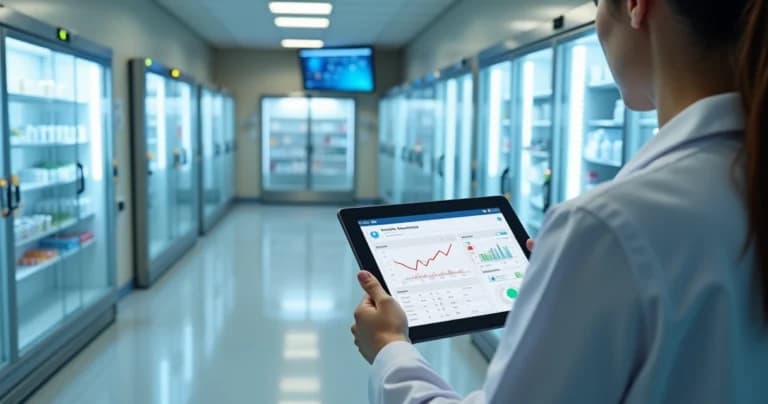
When I think about products like vaccines, medications, and perishable foods, I cannot help but recall the enormous responsibility involved in ensuring their quality. I have witnessed situations where small failures, such as a miscalibrated thermometer or an improperly closed refrigerator door, have resulted in massive financial losses and put lives at risk. Proper temperature control throughout the entire storage and transport chain makes all the difference.
What is temperature monitoring and why is it indispensable?
As I have witnessed firsthand, temperature monitoring is the process of tracking, in real time, the thermal conditions of environments where sensitive inputs, such as medications and foods, are stored or being transported. This constant vigilance prevents small variations from causing irreversible damage to product quality and safety.
According to data from the International Air Transport Association, 20% of temperature-sensitive medications end up damaged during transport due to thermal fluctuations, causing billions in losses every year. That alone justifies investing in intelligent solutions to prevent such failures.
ANVISA requirements and the need for technology
Regulatory requirements are becoming increasingly stringent, especially following recent updates to standards from the National Health Surveillance Agency (ANVISA) and other international bodies. To ensure compliance, facilities must record, audit, and document the complete thermal history of products, as well as demonstrate the proper functioning of the instruments used.
In practice, systems that combine continuous monitoring, complete traceability, and detailed report generation greatly facilitate compliance with these standards. I have observed that organizations that invest in this model experience much greater peace of mind during audits and reduced concerns about potential penalties.
Technological solutions: SaaS, IoT, and predictive monitoring
The advancement of SaaS (Software as a Service) platforms has completely changed the way temperature monitoring is performed. Today, with wireless IoT sensors, it is possible to take automatic readings every minute, with alerts sent via apps or email. This eliminates manual notes, which frequently generate human errors.
I typically recommend systems that go beyond the basics and offer intelligent features, such as predictive failure analysis. For example, DROME can identify trends that indicate a possible equipment failure before it happens, providing time for intervention. Automatic sensor calibration is also a differentiator, limiting risks of inaccurate data and optimizing the audit process, as I have demonstrated to many clients.
Practical applications: healthcare, pharmaceutical industry, and logistics
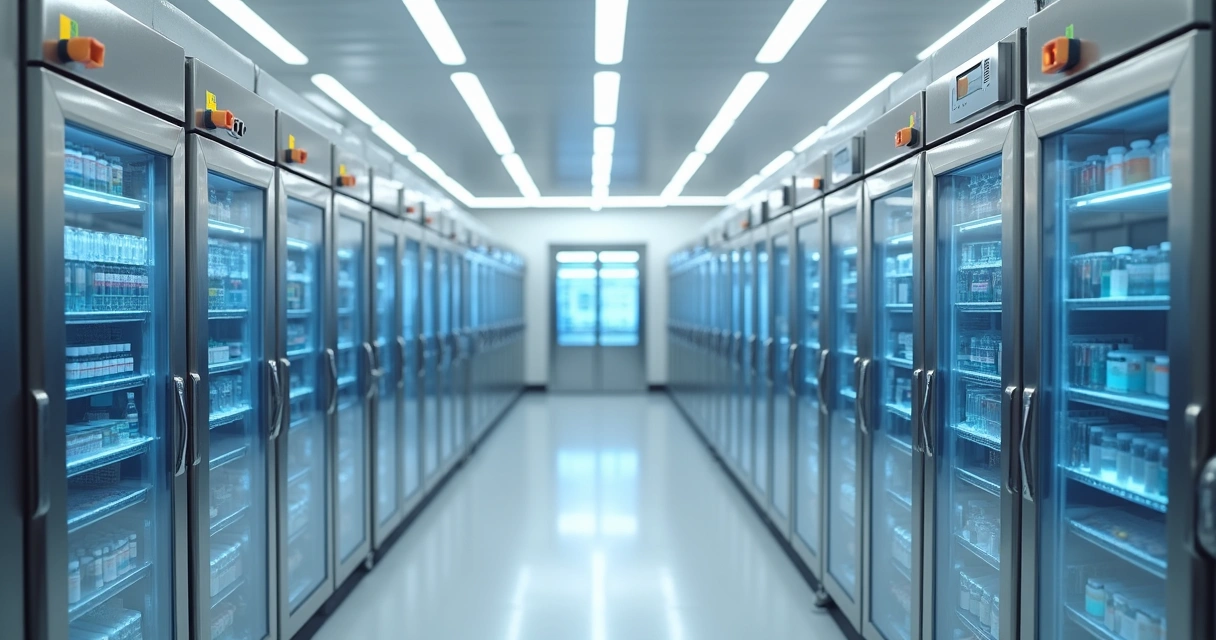
In hospitals and clinics, in addition to medications, blood bags and vaccines, many foods fall into this sensitive category. I have witnessed absurd losses in biological materials due to thermal control failures. In the pharmaceutical industry, ensuring that all stages—production, storage, transport, and dispensing—are monitored is a matter of safety and credibility.
In the logistics sector, onboard monitoring in refrigerated trucks makes a difference: I receive reports from shippers who, upon losing merchandise for just a few hours outside the appropriate range, suffered losses and contract cancellations. Real-time tracking, with deviation recording and immediate alerts, is often the difference between a safe process or not. Other content, such as this article on medication transport monitoring, details practical examples and sector challenges.
Benefits of intelligent monitoring
Over the years, I have observed that companies adopting advanced platforms experience clear gains, almost immediately:
- Drastic reduction in losses due to deterioration.
- Automation of regulatory and management report generation.
- Ease in audit processes, with secure historical records in the cloud.
- Remote access to data and alerts, avoiding unnecessary team travel.
- Support for sensor calibration in a practical and documented manner.
This type of solution, as I detail in the article on predictive analysis of temperature deviations, represents a new level for companies seeking reliability and agility in the cold chain.
Criteria for choosing the best technological solution
Throughout my consulting work, I have been exposed to different systems. In general, I recommend prioritizing platforms that offer:
- Continuous monitoring and secure data storage (preferably in the cloud).
- Intelligent alarms integrated with failure prediction and real-time notifications.
- Easy integration with other systems your company already uses.
- Sensor calibration management, fully complying with ANVISA standards.
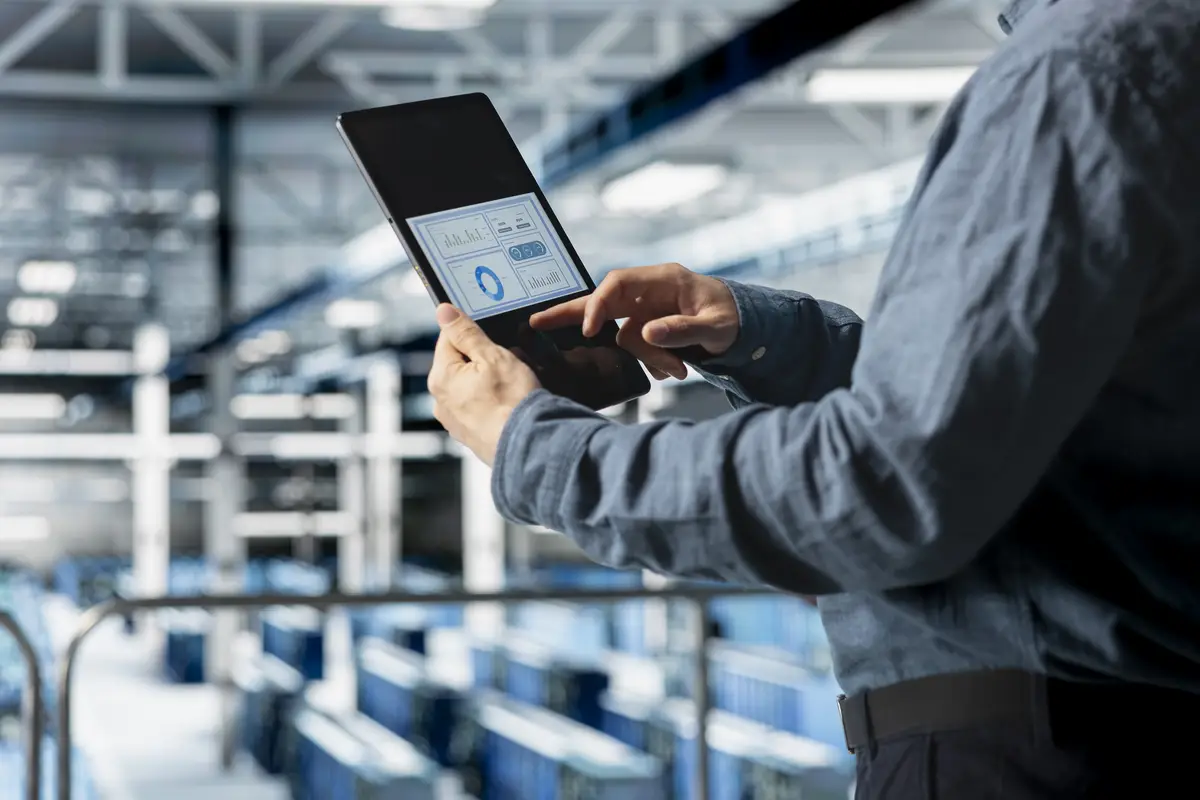
- Simple and intuitive dashboards for the end user, without excessive steps.
There are competitors in the market, but many fall short by not adequately automating reports, complicating integrations, or not offering predictive intelligence. DROME, for example, goes beyond the basics and ensures not only monitoring but predictive management, automation of the entire reporting process, and full audit support.
If you are interested in a step-by-step guide for evaluating equipment, I recommend reading the content on how to choose the best datalogger.
Best practices for teams and processes in the cold chain
More than investing in technology, training teams is fundamental. In my consulting work, I found that quick and practical training works better:
- Simulate real failure situations: this brings clarity and highlights possible gaps.
- Conduct periodic training on record-keeping protocols and alert response.
- Implement digital checklists and encourage the use of interactive dashboards.
- Keep measurement equipment always calibrated and documented.
These best practices, combined with appropriate technology, reduce exposure to human error and loss risks, as I have witnessed in large logistics operations. To deepen real-time tracking strategies, it is worth consulting the publication on best practices for real-time tracking.
Real security exists only with reliable data and quick action.
Conclusion
Looking at the data on the consequences of potential errors and the losses caused by preventable failures, I see clearly: investing in intelligent monitoring, combined with training and adoption of best practices, is the path to avoiding losses, fines, and reputational damage. DROME delivers all of this in a simple and automated experience. If you seek peace of mind and concrete results, learn more about DROME and transform your business's thermal control.
Frequently asked questions about temperature monitoring
What is temperature monitoring?
Temperature monitoring means continuously tracking, recording, and analyzing the thermal conditions of environments or equipment where sensitive inputs are stored or transported. The goal is to ensure everything remains within the safe range, preventing losses and health risks.
How does a temperature sensor work?
Thermal sensors capture heat changes in real time. Current IoT technology allows this information to be automatically transmitted to online systems, which record, analyze, and generate alerts if deviations occur. Modern sensors, such as those used by DROME, also allow remote calibration and integration with apps and digital reports.
Why monitor temperature in sensitive supply chains?
Because small variations outside the recommended limit can damage inputs, cause financial losses, and compromise consumer or patient safety. Organizations like ANVISA require rigorous monitoring because vaccines, medications, and foods are subject to risks if not properly preserved.
What is the best device for controlling temperature?
My experience shows that the best options involve digital IoT sensors integrated with online SaaS monitoring systems, such as DROME, as they ensure accuracy, automated reports, and rapid failure response. Traditional equipment, such as thermometers and simple dataloggers, can complement but do not replace intelligent, real-time control.
How much does a thermal monitoring system cost?
The cost depends on the size of the operation and the complexity of the solution. Modern cloud-based monitoring systems typically operate on a monthly subscription basis, with prices varying by number of sensors and features. Despite the initial investment, loss prevention and fine avoidance typically pay off quickly. DROME offers scalability and excellent cost-benefit for businesses of all sizes.