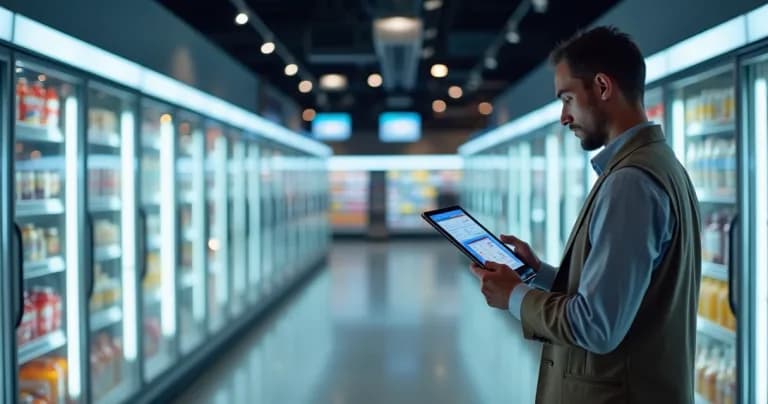
When I first dove into temperature monitoring in retail, I quickly noticed a pattern: almost everyone looks only at the thermometer. Big mistake. Temperature is just the tip of the iceberg in environments with temperature-sensitive inputs, like pharmaceuticals, vaccines, and food products. For anyone who has seen vaccine kits discarded or food lost due to simple failures, you know that relying solely on the display number is risky and even naive.
Today, I want to share eight metrics that, when monitored continuously, change the game in retail, and that make DROME a reference in caring for products sensitive to temperature and environmental conditions.
Why go beyond temperature in retail?
I have witnessed irreparable losses because no one noticed subtle fluctuations, or delays in alerts made all the difference. In retail, where margins and reputation go hand in hand, thinking beyond the basics brings not only safety, but economy and transparency for audits.
Multivariable monitoring performed by solutions like DROME allows not only temperature recording, but the collection and analysis of a set of relevant data that helps identify problems early. With this, the manager moves from a passive position to truly preventive action.
Eight metrics beyond the basics that make a difference
I myself, when analyzing real cases of cold chain failures, realized: those who monitor more variables act sooner, lose less, and gain agility in corrections. Here are the metrics I see most often neglected, and that could easily prevent losses and headaches.
- Temperature variation over time
At first glance, it's enough to know if the input is cold or not, right? Wrong. Imagine detecting sudden drops or spikes. If the equipment fails sporadically, only continuous monitoring captures these deviations. Monitoring trends prevents hidden surprises, since rapid changes are usually signs of failure (or human error like leaving the refrigerator door open).
- Exposure time outside the ideal range
Inputs exposed outside the recommended range, even for just a few minutes, can lose their effectiveness. Recording how long each product stayed outside the ideal range is decisive for audits and quick decisions in retail.
- Temperature by strategic location
In large areas or industrial equipment, temperature can vary by location. By installing sensors at multiple points (as DROME does), small differences can suggest compromised air circulation or equipment about to fail. I've seen freezers keep the front cold and the back warm, product lost, customer dissatisfied.
 Electrical power fluctuations
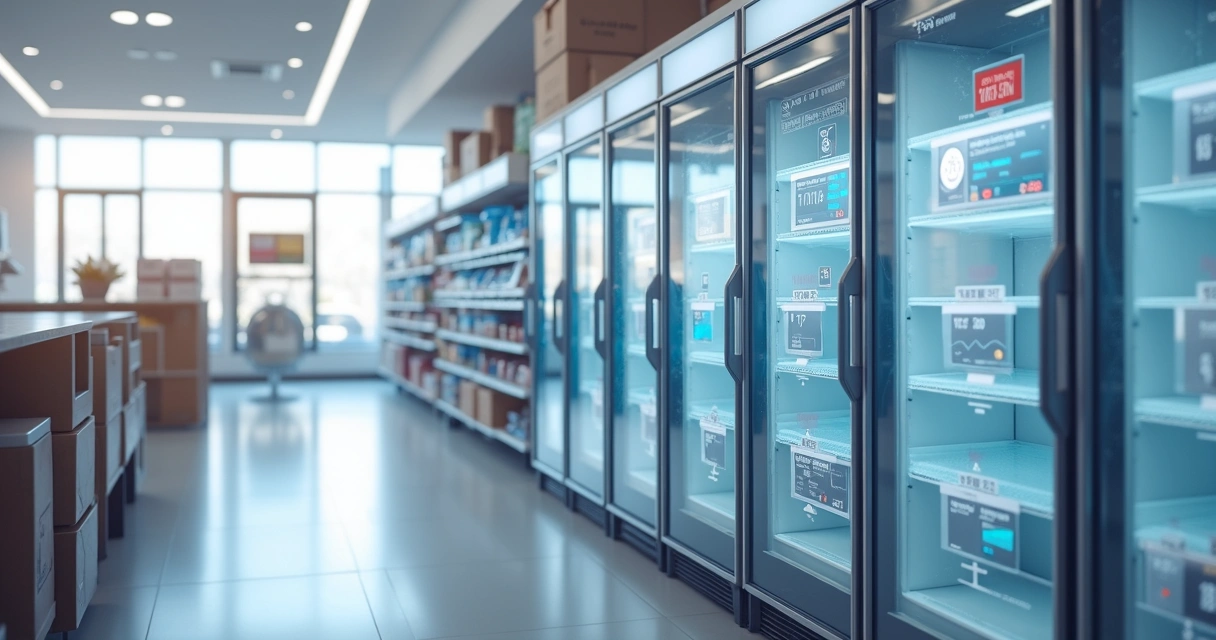
Did you know that a simple power outage can compromise everything, even for a short time? Recording power fluctuation events helps understand if temperature problems are linked to electrical infrastructure, an aspect often overlooked. DROME has IoT capable of recording and alerting to these situations before they become disasters.
- Door and access status
Many people think open or poorly closed doors are just a distraction problem, but they repeat and cause thermal imbalance. Door sensors integrated into modern platforms alert whenever there is undue exposure. We often see this metric being underestimated by less complete competitors.
- Relative humidity
Retailers in pharmaceutical and food segments have already faced problems caused by humidity outside standard levels. Inadequate humidity can accelerate losses from oxidation, mold, or shelf-life reduction. By controlling this additional variable, risks decrease and audits become more transparent, something I detailed in this article I wrote specifically about humidity and temperature in cold chains.
- Sensor calibration history
In my experience, I've seen several establishments fail audits because sensors were out of calibration and no one knew. Platforms like DROME notify managers about calibration expiration and provide automatic reports, something many smaller solutions still do manually.
- Predictive failure analysis
The modern retail differentiator is anticipating problems, not just reacting. DROME can, through artificial intelligence, predict failures in motors, compressors, or sensors based on history. Instead of chasing losses, you act first. I also shared more about predictive analysis in this reflection on data analysis and temperature deviation prediction.
How do these metrics impact retail daily operations?
Monitoring multiple variables is not just a technical or regulatory matter. It's part of an excellence routine. When I implemented complete systems with partners, I noticed some practical effects:
- Clear reduction in product losses in food and pharmaceutical areas;
- Faster and less traumatic audit and traceability processes;
- Customer satisfaction, who notice stable product quality;
- Fewer regulatory agency notifications and more reliability;
- Faster response time to deviations, allowing correction before losses appear.
It's worth noting that several competitors still limit themselves to alarmism: they only alert when temperature has already exceeded the limit. DROME bets on intelligent alert automation for each situation, personalizing criteria and prioritizing predictive failure analysis. This is a differentiator worth highlighting for those seeking fewer headaches and more confidence.
 Easy integration and audit reports
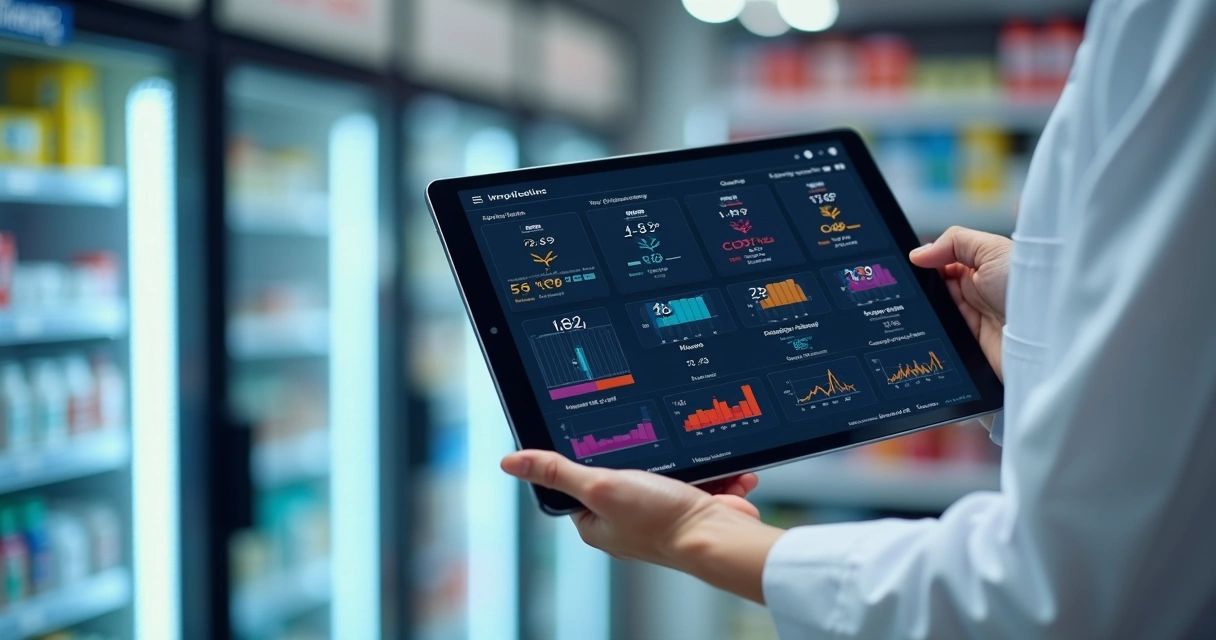
Something I value greatly is the ease of integrating monitoring into daily workflow, without complication. With DROME, detailed reports are ready in just a few clicks, facilitating not only the audit process but also dialogue with suppliers and public agencies, showing complete history of variables like humidity, door opening events, out-of-range periods, and calibration history.
Less advanced systems try to deliver reports, but almost always depend on manual processes and scattered files. I find this risky, as this scenario opens gaps for traceability failures and delays.
Trends and automation in intelligent monitoring
I see that the strongest trend is alert automation. If before someone had to watch the dashboard 24 hours, today intelligent platforms distribute alerts via SMS, WhatsApp, and in-app notifications. This type of solution, explained in another article about alert automation in cold chains, prevents human failures and accelerates retail decisions.
Monitoring is acting before losses occur.
DROME, in fact, allows you to create different alert types for each monitored variable, reducing false positives and ensuring that only relevant information reaches the manager.
Extra precautions to prevent failures and waste
No metric replaces daily team attention. Therefore, the combination of technology, training, and preventive maintenance procedures makes all the difference in avoiding human errors and minimizing retail losses. If you want to dive deeper into this topic, I recommend my report on how to prevent IoT sensor failures in the cold chain, which can be read here.
Additionally, a maintenance plan based on historical data, real-time monitoring, and detailed reports ensures product quality from start to finish. This is even more relevant in environments governed by strict regulations, such as pharmacies, supermarkets, and laboratories.
Count on technology prepared for the future
The retail solutions market has interesting alternatives, but few truly combine automation, predictive analysis, reporting ease, and practical usability like DROME does. While other systems limit themselves to providing simple alerts, here you find integration of multiple variables, artificial intelligence, and friendly support. You pay less in waste, invest more in what really matters: your customer's trust and your business health.
If you're ready to transform your retail monitoring, get to know DROME, see all these metrics in practice, and understand how technology can protect your products and your reputation. Contact us now and see the future of monitoring happen in your warehouse!