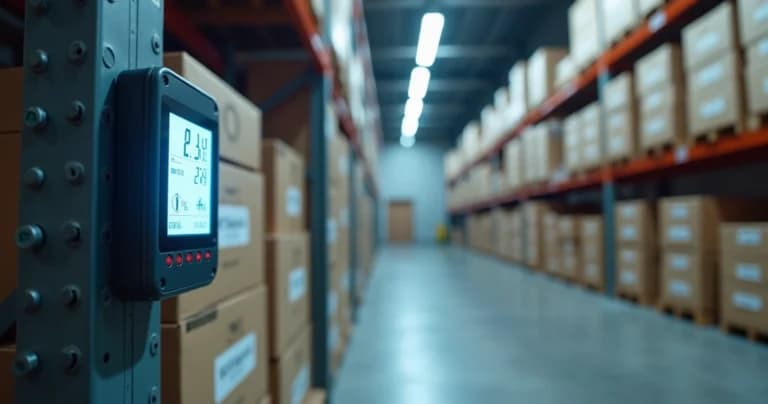
With over two decades observing the evolution of environmental monitoring solutions, I've witnessed how precise temperature and humidity control is becoming increasingly essential across different sectors. Automatic and continuous recording of these factors has gained momentum with the widespread adoption of data loggers—devices that enable safety, traceability, and compliance with rigorous standards. But what are they for, in which scenarios are they indispensable, and how do you make a truly safe choice? In this article, I share everything I've learned and observe daily on this topic.
What is a temperature and humidity data logger and how does it work
Before moving forward, I need to explain the concept behind these devices in simple terms. A temperature and humidity data logger is a small digital recorder that monitors, records, and stores environmental data automatically over time. It uses integrated sensors, stores measurements in its internal memory or in the cloud, and can be accessed both locally and remotely, depending on the model.
I've witnessed situations where, without this control, entire batches of vaccines had to be discarded. Monitoring is never just a luxury. Many losses in healthcare and food are preventable with continuous monitoring—a factor that motivated me to look toward comprehensive solutions like DROME, which combines IoT, predictive analytics, and artificial intelligence.
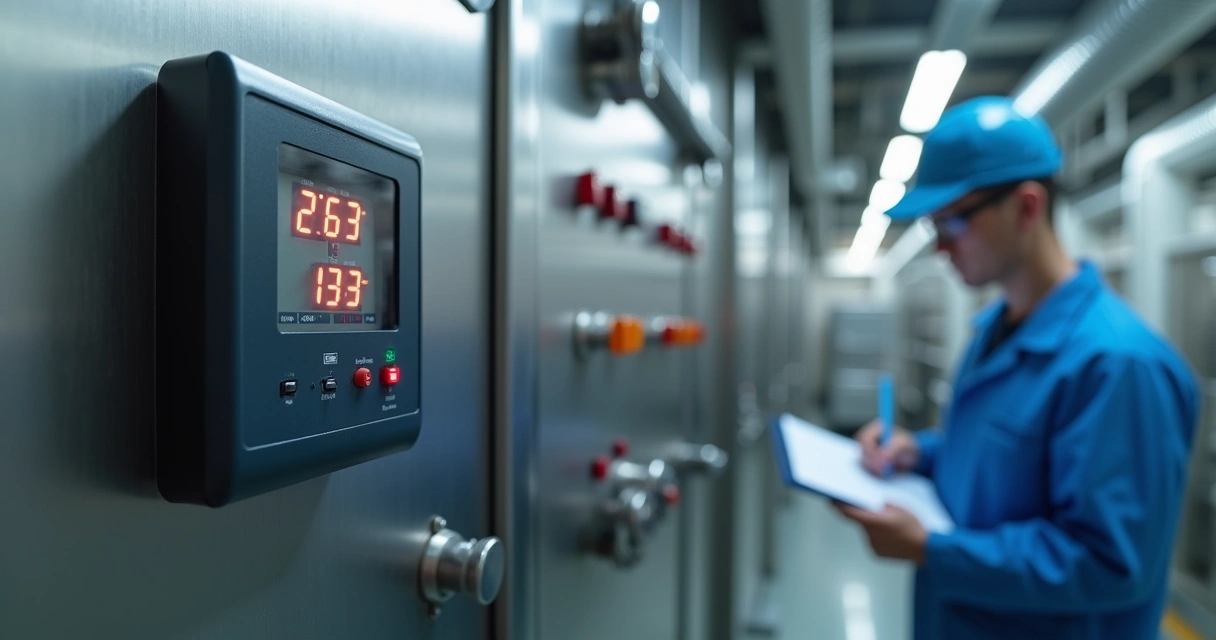
Primary applications: from vaccines to food and industry
In my daily work, I've seen environmental recorders transform operations across various sectors. Some scenarios benefit especially, such as:
- Cold chain: Monitoring is essential for vaccines, temperature-sensitive medications, and blood derivatives—from laboratory storage through transport and storage at healthcare facilities. Those seeking to understand the challenges and advantages can dive deeper into cold chain monitoring for vaccines and medications.
- Laboratories: Research requires environmental stability, especially for reagents and instruments. In research and routine laboratories, this control is already standard practice and drives various audit processes.
- Hospitals and clinics: Hospital environments require continuous monitoring, including in blood bank refrigerators and pharmacies. I see many professionals seeking to automate everything with SaaS-type platforms.
- Food industry: Rigorous control in warehouses and transport, as I discuss in monitoring in food environments, spans from production to retail, ensuring food safety.
- Refrigerated transport: Vehicles equipped with recorders prevent logistics losses, allowing proof of conditions throughout the entire journey.
Additionally, the pharmaceutical industry and academic research areas have increasingly stringent environmental traceability requirements, making manual measurement alone impossible.
Where precision and calibration make all the difference
On several occasions, I've been called to help companies that, despite having good equipment, were uncertain about measurement reliability. The answer almost always lay in two points: sensor precision and proper calibration.
According to information available on the INMETRO page on thermometry and hygrometry, periodic calibration of sensors is fundamental to ensure that data truly reflects actual environmental conditions. This is validated by certificates—a major differentiator in audits and homologation of critical processes.
Furthermore, INMETRO guidance on instrument calibration reinforces that periodicity should follow legislation, but can also be adjusted based on equipment history.
Calibration is what separates reliable data from hidden risks.
Selection criteria: what I consider essential
Choosing a sensor is not just about comparing price and brands. I always recommend evaluating several criteria before proceeding with purchase or system implementation. See the key points I value:
- Measurement range: Ensure the recorder covers the full amplitude needed for your process.
- Accuracy and certificates: I always prefer devices with accuracy appropriate to the application and recognized certificates.
- Storage capacity: Depending on collection frequency, memory should be sufficient for critical periods, avoiding failures due to lack of space.
- Integration and connectivity: Models with Wi-Fi or LoRaWAN, as I discuss in technology comparisons, enable instant alarms, remote access, and automatic report generation.
- Software compatibility: Systems like DROME allow you to manage analytics, reports, and history on intuitive platforms, surpassing rigid tools offered by traditional suppliers.
- Calibration and easy maintenance: Evaluate the ease of updating calibrations and performing sensor maintenance.
This makes all the difference in safety. I've worked with companies that relied solely on major brands but suffered from difficult-to-integrate systems, isolated data, and manual reporting. This is where DROME differentiates itself from major competitors, offering intelligent reports and automatic incident management.

Continuous monitoring and IoT's role in prevention
In practice, the trend is clear: connectivity is here to stay. And if there's one point I insist on, it's that relying solely on point-in-time records is no longer sufficient. Integration of data loggers with digital platforms and IoT offers real-time monitoring, alert automation, and predictive analysis.
Current technologies, like DROME's, monitor multiple variables, anticipate failures, and enable remote management of sensor calibration—what I consider a second level of maturity for environmental risk management. In audits of hospitals, laboratories, or large retail chains, I've already seen the difference it makes not only in preventing losses but also in responding quickly to unexpected events.
Preventing failures is simpler when the system monitors and alerts before the problem appears.
If you still have doubts about which integrations would serve your business, I recommend seeking experiences from companies that have adopted modern systems and value the use of artificial intelligence for analyzing environmental data. Beyond safety and traceability, there are gains in regulatory compliance and ease in conducting audits.
Conclusion: where to start
The decision for the best monitoring solutions, in my experience, always involves understanding the context, comparing features beyond brand, and considering technologies that reduce human effort and increase automation. DROME represents, today, the platform most aligned with what I see as the trend toward transparency, flexibility, integration, and efficiency in monitoring critical environments.
If your company plans to prevent losses, meet regulatory standards, and anticipate failures, learn about our solution's differentials and be surprised by the ease of implementation and benefits for environmental management.
Frequently Asked Questions
What is a temperature and humidity recorder used for?
A temperature and humidity recorder is used to monitor, record, and automatically store environmental data over a determined period, ensuring control, process qualification, and traceability in sensitive sectors. They are used in environments such as hospitals, laboratories, cold chains, and refrigerated transport, among others, preventing losses and non-conformities.
How does a temperature data logger work?
The operation of a temperature data logger involves electronic sensors that capture environmental variations and save data at programmed intervals. These values can be accessed locally via USB, Bluetooth, or remotely via the internet, depending on the model. Modern solutions, like what we use in DROME, integrate IoT and automatic alerts for rapid response to deviations.
What are the applications of data loggers?
Primary applications are in healthcare sectors (monitoring vaccines, medications, and blood banks), food industry (storage and transport control), laboratories, sensitive industrial environments, museums and collections, and perishable product logistics. Each sector has specific standards and demands rigor in controlling recorded parameters.
What is the best data logger for industries?
The best data logger for industry is one that offers high accuracy, easy calibration, robust storage, appropriate connectivity (such as Wi-Fi or LoRaWAN), easy software integration, and compliance with recognized Brazilian standards. In my opinion, solutions like DROME enhance this control by facilitating remote management and report automation.
How much does a temperature and humidity recorder cost?
Prices can vary significantly based on features, sensor accuracy, and system integration level. Simple models start at accessible prices, but for complete solutions with integration to intelligent platforms, investment is proportional to the safety offered. Always evaluate cost considering what can be saved in prevented losses and risk reduction by choosing truly reliable solutions.