
Throughout all these years working with environmental monitoring and auditable processes, I've noticed how much sensor calibration is still surrounded by doubts and myths. This not only hampers the performance of technical teams, but genuinely complicates audits, even risking the validity of important reports in critical areas like healthcare and food safety.
Today I want to share, based on my experience, seven myths I frequently encounter about sensor calibration that end up complicating audits. And, of course, show how DROME resolves these challenges in a modern, reliable, and easy way, surpassing other market options.
Why is sensor calibration important for audits?
Before diving into the myths, it's important to be clear: sensor calibration ensures reliable results and is indispensable in auditable environments, especially in monitoring temperatures of medications, vaccines, and delicate food items. Without it, reports, documentation, and even business decisions lose value.
At DROME, this care goes beyond compliance: it's part of our prevention and traceability culture, which both healthcare and food safety demand. I've seen companies facing serious problems by not knowing about failures or maintaining outdated calibration practices. It's worth paying attention.
Myth 1: "Calibration is only for new equipment"
Many people believe that when installing a new sensor, it's ready for use and calibration will only be necessary in a year or two. This is a frequent mistake. In fact, even new sensors can show deviations from manufacturing, transport, or installation.
Sensors should be calibrated before first use in any critical environment, even if they've never been used before. I've witnessed audits failing temperature controls for medications simply because initial calibration was overlooked.
Myth 2: "I only need to calibrate when there are problems"
This reactive thinking, typical of manual processes, still surrounds many teams that depend on sensors. I always recommend: don't wait for a failure to act!
Preventive calibration is a basic component of any robust audit plan. In DROME, intelligent alerts themselves notify about deadlines and descalibration risks, making the process proactive, simple, and integrated into routine work.
Myth 3: "Just compare with a common thermometer"
I've seen companies thinking that aligning a sensor with a commercial thermometer solves the problem. This practice is inadequate because a common thermometer doesn't guarantee traceability, accuracy, or reliability of the standard. More rigorous audits require calibration reports and reference equipment calibrated in accredited laboratories.
Myth 4: "Calibrating sensors is expensive and complicated"
This myth is one that most hinders advances in managing sensitive environments. I hear frequently that calibration involves long and expensive processes. This can happen, mainly with suppliers using rigid tools or requiring manual paperwork.
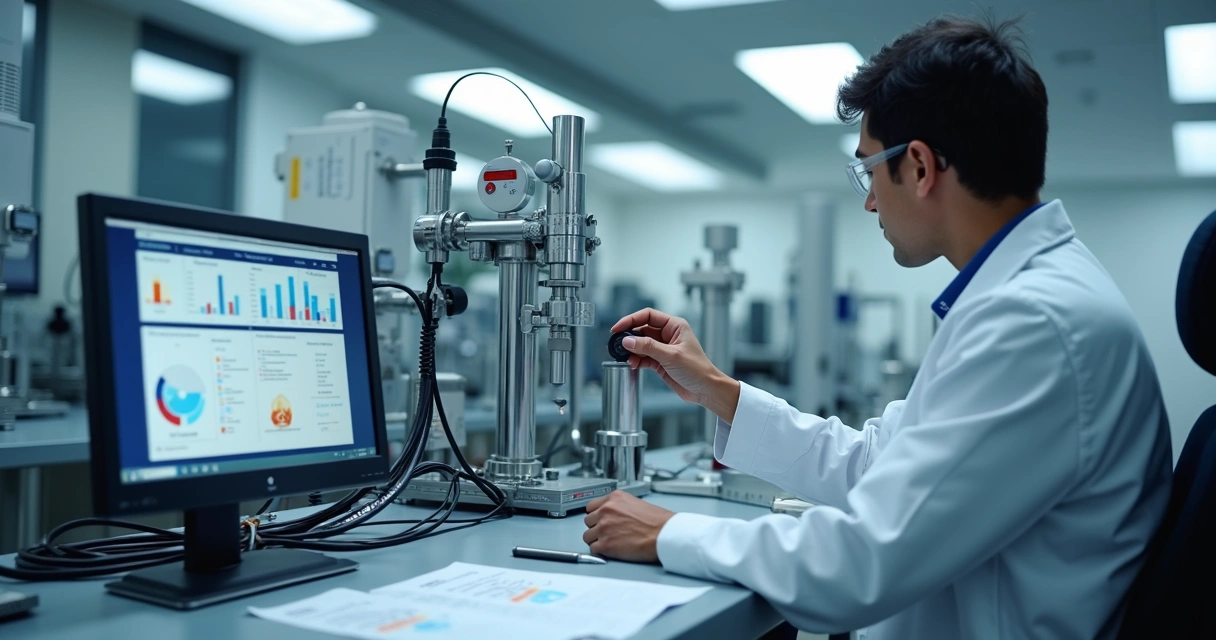
Today, with platforms like DROME, managing calibrations has become accessible and digitalized. The system organizes documents, dates, and evidence in one place, linked to IoT and AI monitoring. This reduces rework, ensures automatic notifications, and facilitates audits—something many competitors don't offer.
Myth 5: "One calibration per year solves any case"
Few people know that the ideal interval depends on usage, environment, and sensor criticality. There are legal recommendations for specific sectors, but variables like temperature fluctuations, exposure to excessive heat or cold, and continuous use may require more frequent calibration.
Calibration frequency should be adapted to the reality of risks.
In DROME, we analyze the entire history of the sensor and its environments to help define personalized schedules, using predictive analysis and artificial intelligence. This eliminates waste and increases safety, unlike solutions that work with rigid and manual timelines.
Myth 6: "The calibration certificate solves everything"
Some think that having any report or certificate is enough in case of an audit. But for traceability and legal acceptance, the certificate must be from a recognized laboratory, showing parameters, references, and process validity.
Beyond the document itself, it requires history of each sensor, easy access, and correlation of calibration data with each equipment. In DROME, everything is centralized and ready for consultation, avoiding that last-minute rush to find lost files, which happens in less organized systems.
Myth 7: "Any platform can organize calibration reports"
Not all platforms truly integrate environmental variable monitoring, calibration, digital report issuance, and document management. Competitors sometimes offer generic modules without focus, making audits even more difficult.
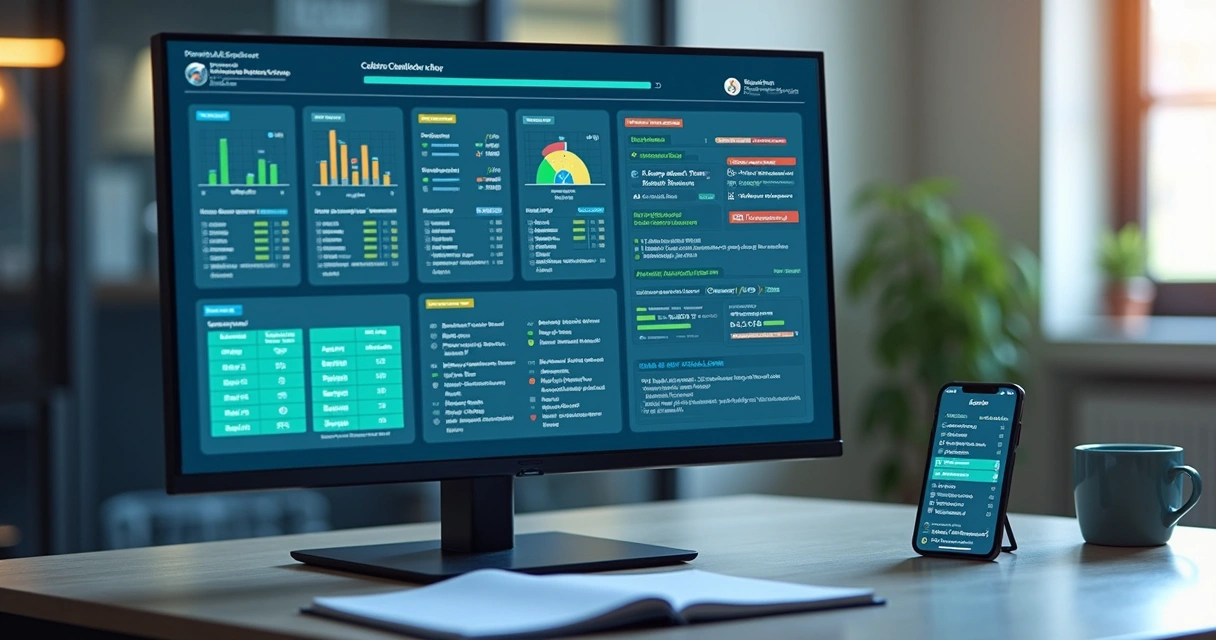
DROME centralizes everything, including dashboards with complete history, linking each sensor to the calibration cycle and alerts for pending items, ensuring greater security, transparency, and ease in audits.
How to avoid problems: practical tips for audit teams
If the seven stories above sound familiar, you're not alone. During my consultations, I've seen large hospital networks and food cold chains stumbling over the same myths. One tip: establish routine, train your team, and rely on appropriate technology.
- Establish an automatic calendar for preventive calibrations.
- Store all certificates digitally, linked to the sensor in the system.
- Train everyone to understand why the process is relevant.
- Always verify that the laboratory is traceable and recognized.
- Use platforms like DROME that unite monitoring, AI, and documentation in one place.
In my research, I found that companies investing in these points face audits with more ease and less rework.
References and next steps
To advance on this topic and deepen your knowledge of critical sensor calibration points, I suggest reading the practical guide to sensor calibration in controlled environments, which presents a detailed roadmap of what to observe.
Another suggestion: check out the special audit checklist for IoT environments, designed to identify failures before they complicate an official inspection. There are also materials on common errors in vaccine monitoring and updated guidance on temperature monitoring in the cold chain.
And if your work is in the hospital sector, it's definitely worth checking out the challenges of hospital audits and improvement strategies.
Conclusion: Overcome the myths and stay ahead in audits
By understanding the most common myths about sensor calibration, I've seen how they affect organizations of all kinds. They not only increase the risk of losing data or compromising audits, but also raise the cost of non-compliance and team anxiety during inspections.
With a current approach, based on technology, integrated management, and transparent information, as we offer in DROME, you turn the tables. Your team feels secure, the audited environment gains credibility, and you focus on what really matters: quality and confidence in your data.
Don't wait for the next negative finding to appear in the audit. Test DROME, talk with our team, and see how it's possible to transform sensor calibration into a competitive advantage for your business.