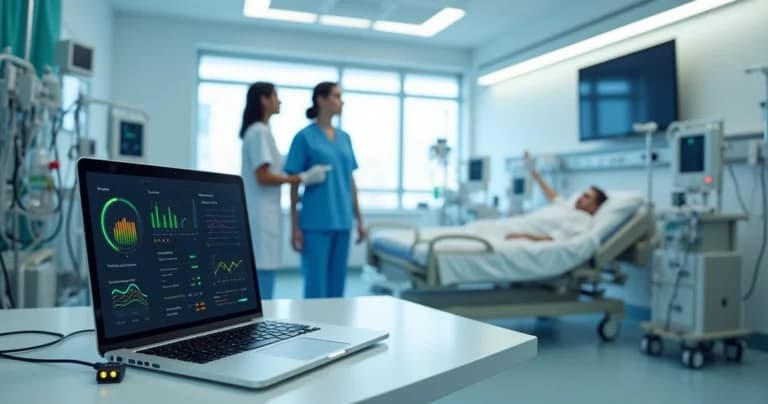
Telemetry sensors play an increasingly important role in the hospital environment. I've seen firsthand how temperature, humidity, and other parameter monitoring systems have prevented losses of medications, vaccines, and sensitive supplies. However, like any technology, sensors are subject to failures. But how should you act when failures occur? In this article, I share what I've observed in practice and indicate what I consider to be the safest path to prevent, identify, and resolve these issues, with special emphasis on complete solutions like the one we offer at DROME.
Why do telemetry sensors fail?
Failures in telemetry sensors can have different causes. Most often, problems come from simple factors such as poor installation, lack of periodic calibration, device aging, or simply human error. In other situations, I've noticed that electrical power fluctuations or network communication failures also cause sensors to lose data or indicate incorrect values.
When a sensor stops, the safety of the hospital's sensitive supplies is threatened.
An undetected failure in time can result in the loss of vaccines and medications, in addition to financial losses and public health risks. And I can say that, with the constant presence of audits and increasingly strict regulations, it is essential that the hospital knows how to deal immediately with any occurrence.
Symptoms and most common types of failures
Before pointing out solutions, I usually guide teams to observe some of the main signs of sensor failure, such as:
- Fixed or impossible readings (e.g., always 0°C or 999°C)
- Fluctuations outside the standard without environmental justification
- Absence of signal or frequent disconnection
- Constant alarms with no apparent reason
When I observe such signals, I generally find three types of failures:
- Physical failure: problems in the device, battery, wiring, or physical connection.
- Logical or software failure: firmware error, incorrect configuration, or bugs in the telemetry system.
- Communication failure: loss of signal between the sensor and the central system.
How to act when detecting a failure?
When I detect failures, I follow a simple sequence that prevents further damage:
- Check the sensor history and validate whether the failure is isolated or recurring.
- Visually inspect the sensor, location, connections, and power supply.
- Test the sensor at another location, if possible, to rule out environmental issues.
- Check the monitoring system panel for error messages.
- Consult the recommendations of the platform I use, which in the case of DROME are clear and automatic.
When I use less advanced systems, I notice that the analysis is more manual. Already on platforms like DROME, alerts arrive detailed, along with suggestions on what to check in each case. This reduces response time.
Preventing failures: calibration, maintenance, and trained staff
Prevention is better than cure. I know, from what I've witnessed in hospitals, that creating a sensor calibration schedule is one of the most important steps to prevent errors and serious failures.
At DROME, in addition to indicating when each sensor should be calibrated, the platform generates alerts and issues automatic reports, facilitating audit processes. A differentiator I always appreciate is the intelligent scheduling of these calibrations, integrated into hospital routine without the need for manual spreadsheets.
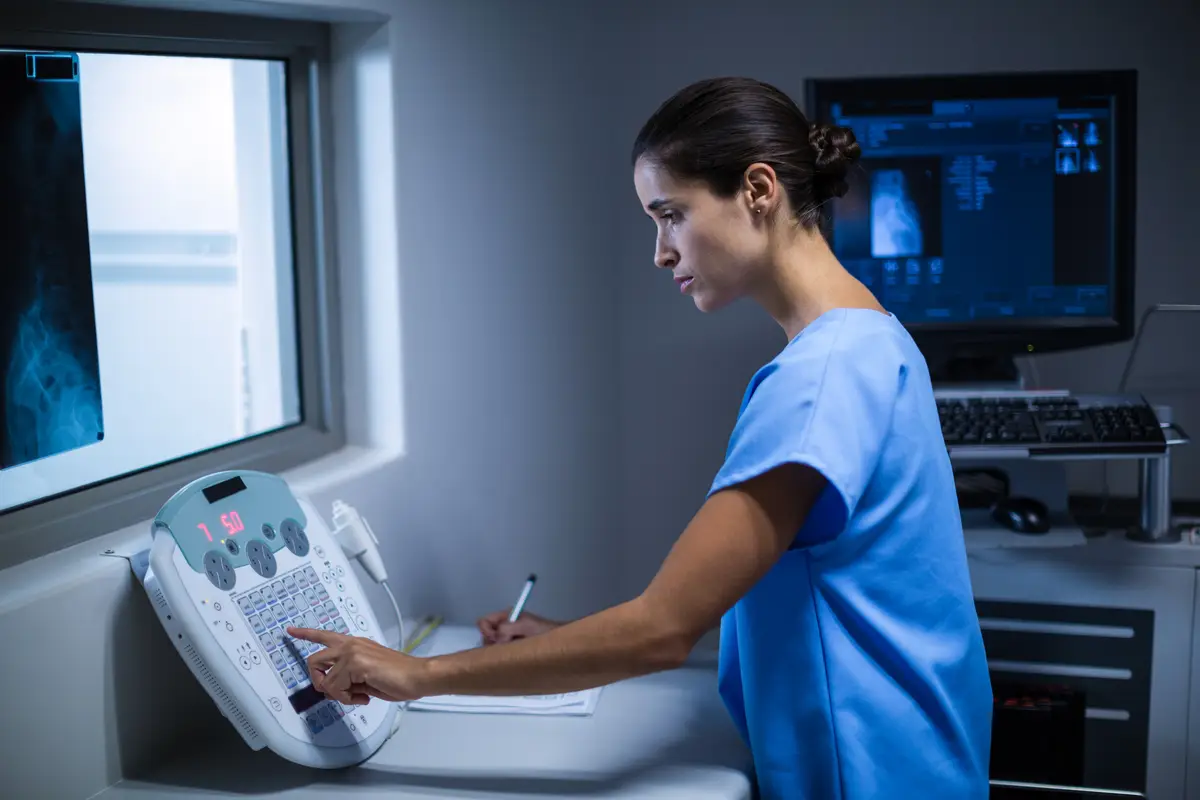 In hospitals I work with, I see these points as most relevant to reduce risks:
- Scheduled periodic maintenance
- Continuous training of technology and nursing teams
- Standardized checklists before installing or replacing sensors
By the way, I've already written about compliance checklists and IoT sensor validation, a fundamental tool for standardizing procedures.
Predictive technology: a real ally
I can say that the combination of predictive analysis and artificial intelligence has changed the landscape of hospital monitoring. Modern platforms, like DROME, can analyze sensor operating patterns, predict failures, and trigger alerts before they occur. This makes a big difference in service, as it anticipates corrections and avoids emergency interventions.
- Sensors with incipient failures are already flagged in real time.
- Automated action plan to prevent losses and ensure safety.
- Automatic recording of occurrences, ready for audits.
I've seen some competing solutions that deliver part of these resources, but none have provided me with as much practicality and reliability as the solution we have at DROME. The integration of multiple sensors, intelligent analysis, and ready-made reports, in my experience, simplify everything.
What is the real impact of rapid detection?
I've witnessed real cases where high-cost medications were lost in freezers due to lack of effective monitoring. The financial loss was only surpassed by the public health risk. That's why I believe that the difference between acting in minutes or hours is what saves inventory and lives.
Regulations from agencies like ANVISA require immediate recording and action on failures. In audits, complete reports make a difference, as I explain in the article on hospital auditing.
Acting quickly prevents waste and protects people.
Contingency plans make a difference
Even the best systems can be subject to occasional failures. That's why I like to plan clear contingency routines, in line with the hospital's technical department and the teams involved. Having a ready plan minimizes impacts and ensures continuity of equipment processes.
- Standardized procedures for replacing or testing problematic sensors.
- Communication checklist: who to notify and how to act immediately.
- Palliative solutions until permanent sensor replacement.
At DROME, automated action plans make this dynamic much simpler. In fact, you can see more details about this in the article on automated action plans for sensor failures.
The importance of complete reports
Detailed reports are mandatory in audits, but they go beyond that. They help identify failure patterns and improve internal processes. When I compare market options, I notice solutions that deliver superficial reports or with unintuitive interfaces. Already at DROME, the reports are detailed and can even be used to prevent future losses in hospital storage.
 This report format, integrated with calibration and maintenance, simplifies any compliance process I've had to face. For hospitals, it's essential to centralize information and have everything ready for quick consultation.
Comparing with other solutions: what makes the difference?
I can say, without hesitation, that I've tested alternatives on the market that promise the same as DROME. But I always run into limitations: unclear panels, few automatic alerts, incomplete integration with hospital systems, or the need for extensive manual actions.
What really differentiates DROME is the ability to combine continuous monitoring, predictive analysis, integration of automated action plans, and complete reports, all in an easy-to-use SaaS solution. In my experience, this makes all the difference in hospital routine.
Control and prevention in real time, not just on paper.
How to ensure peace of mind and safety?
If there's one thing I've learned, it's that the secret is in anticipating situations. Platforms that combine continuous monitoring and artificial intelligence, like DROME's, deliver that peace of mind. Failures may be inevitable, but quick response and the right data at your fingertips let the hospital rest easy.
For those looking to go deeper, I recommend reading materials on how to plan contingency for cold room failures. These are critical situations in hospitals, and all planning is worthwhile.
Conclusion
Building a safe hospital environment, with minimized losses and compliance that withstands inspections, is a constant challenge. Traditional solutions only handle the basics, but by choosing complete platforms like DROME, hospitals gain a real ally in preventing, detecting, and resolving telemetry sensor failures.
Invest in technology that works in your favor, ensure ready-made reports and automated action plans. If you want to understand in practice how we solve this problem in the hospital, discover DROME's differentials and transform your sensitive supply management right now.