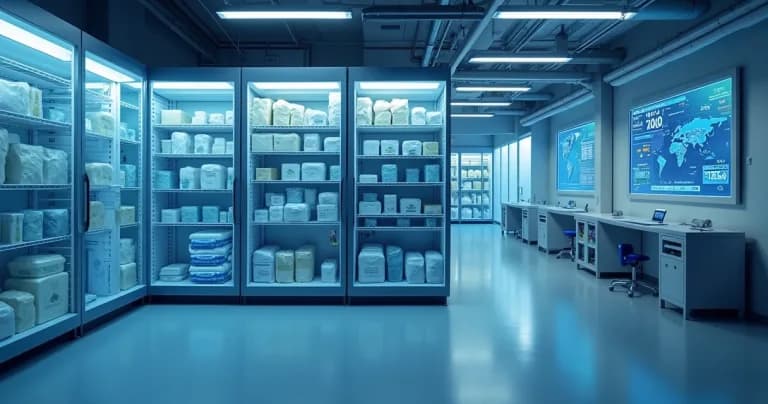
Whenever someone thinks about real-time tracking, GPS is probably the first term that comes to mind. And for a long time, this technology reigned supreme in logistics and other segments. But I'll be honest—the more I study and work in this sector, the more I see how things have changed. GPS is no longer the answer to everything when it comes to tracking and monitoring assets, goods, or complex environments.
Tracking goes far beyond simply "knowing where something is."
The issue becomes even more critical when we're talking about sensitive materials, such as pharmaceuticals, vaccines, and food products. It's not enough to know if a shipment is in transit; it's essential to understand the conditions it's in—whether temperature and humidity requirements are being maintained. It was precisely situations like these that inspired me to value more comprehensive solutions, like those we work with at DROME.
What does real-time tracking mean?
Perhaps it's important first to distinguish between continuous tracking and mere position monitoring. Early in my career, it was enough to check a map, see the blue dot, and call it done. But real-time tracking today encompasses multiple dimensions:
- Precise physical location (longitude/latitude, of course, but also geofencing, direction of movement, planned vs. actual routes)
- Environmental monitoring (temperature, humidity, light, shock, and even UV exposure)
- Equipment performance analysis (such as how cold storage units, freezers, door sensors, etc. are functioning)
- Proactive and predictive alerts, including when there's a chance of future failure or undesired variation
In other words, true tracking means monitoring multiple variables across the environment, assets, and routes—not just "points on a map."
GPS: Limitations and Challenges
No one is denying the convenience of GPS. But I've seen its limitations become clearer in conversations with managers facing strict traceability requirements. Among the main points:
- Weak or nonexistent signals in enclosed spaces, tunnels, or underground warehouses
- Vulnerability to interference or "jammers" (signal blockers)
- Inaccuracy, which can reach several meters depending on obstacles and atmospheric conditions
- GPS cannot "see" what happens inside the package: it doesn't measure temperature or detect impact or tampering
This means relying 100% on this resource can be risky, especially in the transport and storage of sensitive materials. Decisions based solely on GPS can be costly.
Multi-Sensor Tracking: The Future Is Here
A story I repeat often: a client was transporting vaccines and only realized the problem when it was too late. The cold storage unit failed mid-transit, but GPS continued reporting that "everything was in the right place." Only when the shipment arrived at its destination did they discover that several doses had been rendered unusable due to out-of-spec temperatures. With a system like DROME's, that alert would have been generated the instant the failure occurred, preventing the loss.
Today, I always mention the concept of "extended telemetry" in these contexts. And it was even curious when a partner mentioned they weren't familiar with the term. For those who want to understand better, I recommend checking out the article on telemetry and monitoring that explains the foundation of this type of technology.
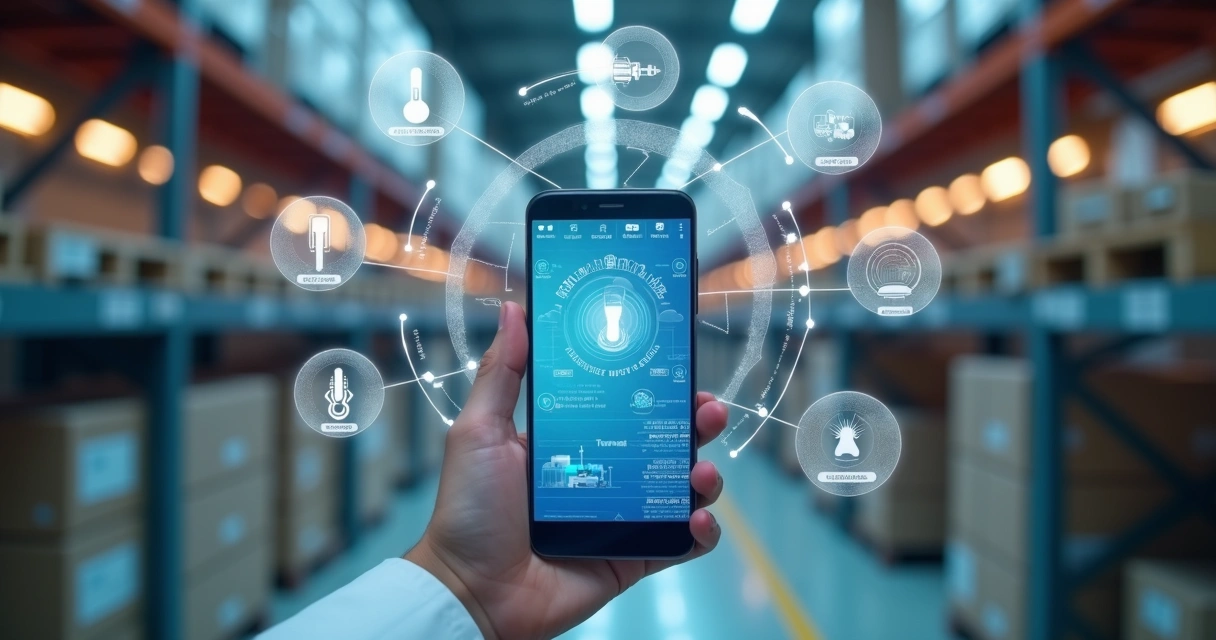
Monitoring environmental and operational variables in real time allows you to act before the problem occurs.
The combination of IoT sensors, connected via mobile networks, Wi-Fi, or even radiofrequency, makes all the difference. This ranges from embedding these devices in boxes, pallets, and cold storage units to integrating them with management systems.
The Role of Artificial Intelligence and Predictive Analytics
Artificial intelligence once seemed distant, but today it's already present in solutions like DROME. And here, we're not just talking about recording facts, but anticipating situations. For example:
- Detecting anomalous patterns in temperature sensors before a freezer fails
- Predicting higher-risk routes for cargo quality
- Alerting operators if a sensor calibration is about to expire
- Cross-referencing data histories to generate insights that humans would rarely perceive
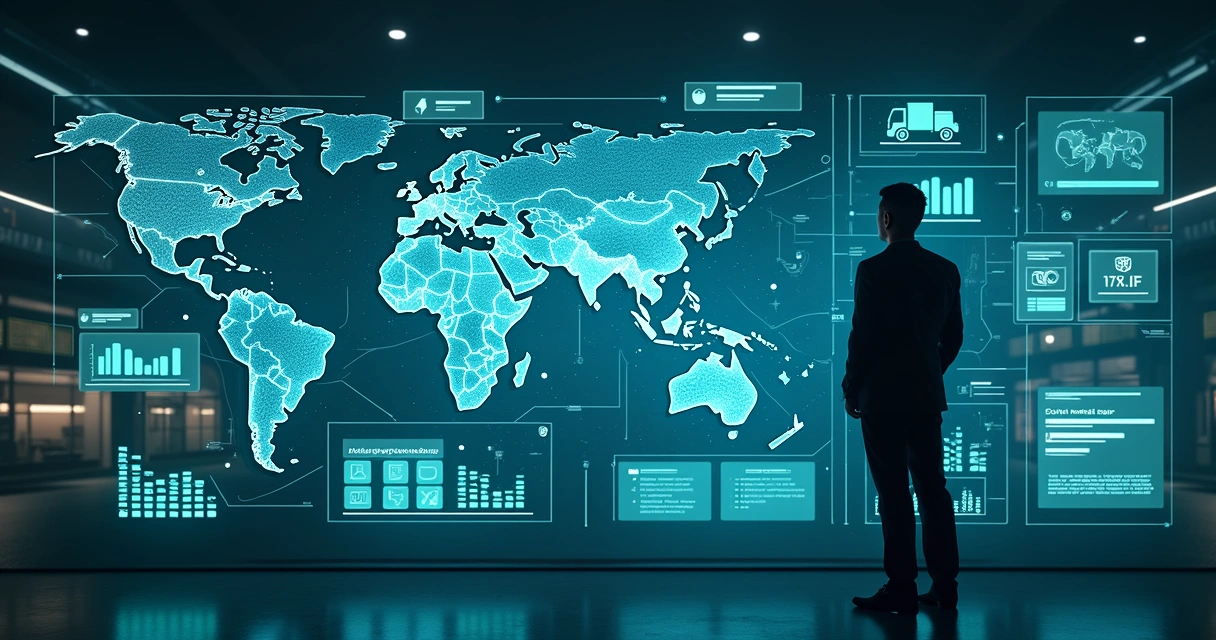
All of this ensures rapid action and prevents serious losses. I've seen cases where this layer of predictive analysis saved tons of materials and many thousands of dollars.
Comparing Market Alternatives
It's common for clients to ask about other solutions besides DROME, including some "giants" in the tracking world. I've tested various of these options. They still focus heavily on location and fall short in areas like integration with environmental sensors, automatic calibration reporting, or the ability to alert before damage occurs.
What keeps me investing in DROME is precisely its approach that's closer to the reality of clients dealing with fragile materials. It's not enough to deliver a SaaS platform that shows routes; you need to go further: monitor variables, issue reports, ensure traceability and audit ease—all in one place.
For those who want to compare trends and innovations in monitoring, I recommend the series of articles in the monitoring category of our blog.
Integration with Management Systems and Auditing
Another point that sometimes goes unnoticed: tracking is great, but in regulated sectors, the ability to automatically generate reports, cargo integrity certificates, and sensor calibration history is just as important, if not more so. DROME delivers this transparently. And it's a differentiator that's hard to find in known market alternatives.
Where Real-Time Tracking Is Changing Industries
I've been following, for years, the transformation that modern monitoring has brought to healthcare, the pharmaceutical industry, and even fresh food transport. Anyone wanting a practical example can check out the article on innovation in pharmaceutical management.
And in the logistics sector, multi-sensor tracking is already indispensable on critical routes, where cargo quality can be affected by small environmental variations. It's not just about losing a shipment, but about preventing serious risks to public health, especially in the case of vaccines and medications.
In the fleet management universe, there are also interesting discussions about control gains. For those who want to read more about how telemetry is being used in fleet management, I recommend the article on telemetry benefits.
How to Choose the Right Solution?
In my opinion, it makes sense to look not just at the number of sensors, but at the robustness of the system, the clarity of the interface, and support for generating audit documents. Based on my experience, I've organized some criteria to simplify this analysis:
- Ability to integrate location and environmental variables
- Real-time alerts for different types of failures
- Automatic reports, easy export, and complete history
- Practical and auditable calibration process
- Predictive capability based on artificial intelligence
DROME prioritized all of these points, seeking not just to deliver data, but to enable each manager to make preventive and documented decisions.
For those who want to know more about sensors, connectivity, and IoT trends, there's great content in the IoT category of our blog as well.
Final Considerations: The Next Step in Tracking
I believe that going forward, real-time tracking will become increasingly less about "knowing where something is" and more about "ensuring that everything is right with what matters." Taking DROME's offered solutions as an example, I see a clear evolution: sensor integration, predictive analysis, instant reporting, and proactive customer support.
Good tracking protects lives, not just monitors shipments.
If you've ever witnessed firsthand a loss caused by equipment failure or poor product preservation, you know what I'm talking about. That's why my suggestion is: give the new approach a chance. Get to know DROME and see how technology can truly transform your business.