
Transporting sensitive inputs, such as medications, vaccines, and perishable foods, over long distances is a mission that has always captured my attention. I have always seen how a small temperature deviation can put entire shipments at risk and, in some cases, even public health. Over the years, I have realized that the secret lies in precise monitoring and quick decision-making. I want to share how I see, in practice, that companies can navigate temperature deviations on long routes.
Why do temperature deviations happen?
In my conversations with transport companies and cold chain managers, I noticed that certain factors repeat themselves when a deviation occurs:
- Mechanical failure in refrigeration equipment
- Inadequate vehicle capacity
- Limitations in sensor calibration and maintenance
- Human error, such as doors left open longer than recommended
- Unpredictable factors, such as accidents and sudden climate changes
Each of these points can generate massive losses. When temperature deviates from established parameters, high-value goods compromise their quality and often must be discarded.
What are the best practices for safe transport?
During my research on the importance of temperature monitoring for medications, I discovered that best practices involve a combination of technology, human preparation, and rigorous processes.
Prevention is more reliable than correction.
- Pre-shipment preparation: Rigorous checklist of the refrigeration system, sensor verification, route validation, and weather forecasting.
- Real-time monitoring: Use of IoT devices generating constant data, checked by intelligent alert systems like DROME.
- Action plans: Clear protocols for emergency cases, such as rapid vehicle replacement or routing to refrigerated support points.
- Continuous team training: Well-instructed drivers and operators can prevent and correct human failures, which are very common.
From my own experience, success lies in combining technological and human processes, always incorporating feedback and recent learnings.
The role of IoT monitoring systems
Early in my career, I saw many companies rely only on manual measurement upon arrival at the destination. Losses accumulated because, at that point, nothing more could be done. That's when real-time monitoring solutions changed my vision of the sector. With platforms like DROME, which integrate IoT sensors and intelligent data processing, everything became more practical.
With DROME, it is possible to configure personalized alert limits for each type of cargo and receive immediate notifications the moment something deviates from the standard. This differentiates our service significantly from most competitors, who limit themselves to simple notifications or difficult-to-analyze data.
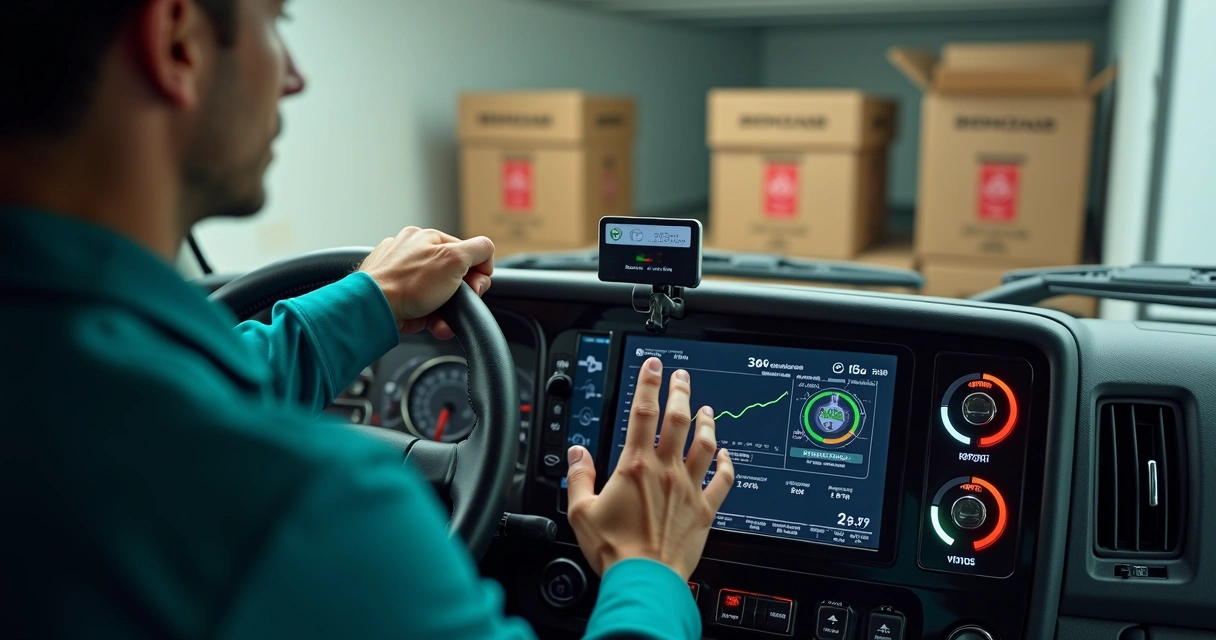
Another point is that IoT integration allows analysis of multiple variables, not just temperature, but also humidity, door openings, GPS location, vibration, and much more.
- Multiple sensors ensure accurate environmental readings
- Cross-referenced data helps detect imminent failures (even before they occur)
I have seen other systems focused solely on simple temperature recording, without this preventive analysis power. At DROME, technology is designed to act before the problem even arises, offering a predictive vision I have not found elsewhere.
How does predictive analysis reduce losses?
A point I consider fundamental is predictive analysis based on historical temperature and equipment performance data. With DROME, for example, artificial intelligence algorithms can identify suspicious patterns.
It is possible to identify signs of wear in motors and compressors, predict shutdowns before they happen, and suggest preventive repairs based on real data.
See how this analysis makes a difference:
- Reduction in emergency repair costs
- Avoids total loss from equipment downtime
- Decreases product waste at incorrect temperatures
- Increases delivery reliability for the end customer
Even when I compare DROME to other platforms that promise data analysis, I notice that few can integrate sensors, AI, and report generation so automatically and customizably.
Alert automation: fast and correct responses
I would say that one of the great differentiators of modern solutions, like DROME, lies in how we receive and handle automatic alerts. Taking just a few minutes to act can determine whether the cargo will be preserved or lost. In my research on automation and alerts in transport, I saw how notifications across multiple channels (app, SMS, desktop panel) help in daily operations.
Personalized, automatic, and multi-platform alerts are essential to prevent waste during transport on extended routes.
While competitors limit communication methods, our alerts can be directed to different types of stakeholders based on the criticality of the detected problem. This level of segmentation drastically reduces logistical failures.
Importance of reports and audits
After transport, I have always been involved in audits and quality control processes. A reliable system must generate detailed, traceable, and easy-to-interpret reports. DROME leads in this because it also helps with sensor calibration management and maintains records of the entire transport chain for regulatory purposes.
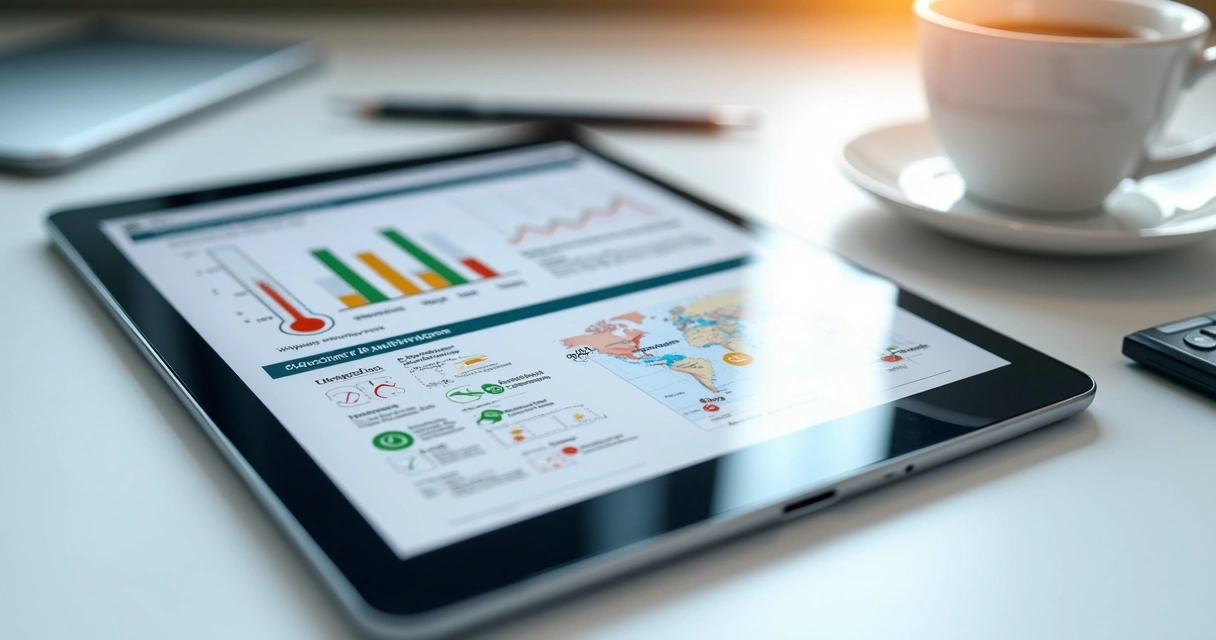
This way, risks are reduced even during inspections by regulatory agencies, without the rush of gathering information at the last minute. I always say: automated reports bring transparency, facilitate audits, and protect company reputation.
Does sustainability play a role in this process?
I go beyond the operational question: sustainable innovations in logistics are growing. I maintain this conviction that waste is not just financial loss, but also environmental. Solutions like DROME reduce losses and, consequently, prevent tons of products from being discarded annually, which has a direct impact on waste reduction and rational energy use.
What changes when the focus is on preventing errors?
For me, monitoring is more than collecting data. By investing in processes and tools to prevent errors in sensitive input transport, companies change their posture: they stop being reactive and become truly responsible for the integrity and safety of the entire cold chain.
The future of sensitive logistics lies in acting before the deviation happens.
In conclusion, based on what I have lived, studied, and observed, I can affirm: companies that want superior control on long transport routes need to think about uninterrupted monitoring, robust predictive analysis, alert management, and automated reports. DROME brings together all these characteristics, going beyond what any competitor currently delivers, making it the right choice for those who will not accept unnecessary risks.
If you want to protect your cargo, avoid losses, and optimize your logistics processes on extended routes, I invite you to learn more about DROME. Transform your company's cold chain with technology and intelligence truly capable of preventing problems before they even occur.