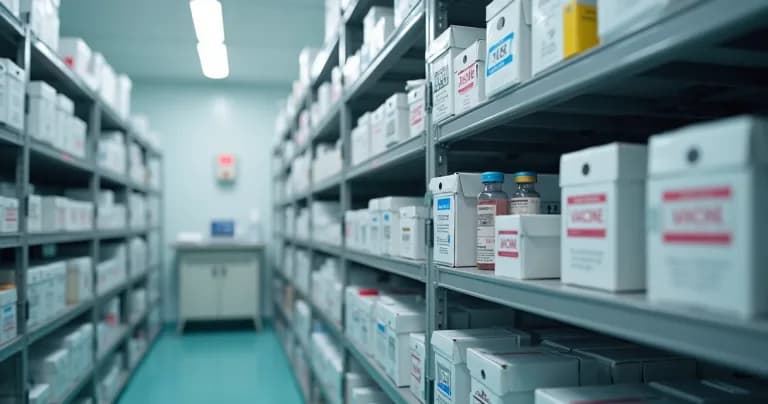
When I began closely monitoring the storage of sensitive supplies, I realized that cross-contamination was one of the greatest risks, and honestly, one of the most underestimated. I've always found it remarkable how a simple error—a refrigerator door left open for seconds—can jeopardize medications, food, and vaccines of the highest value and importance to public health.
In this article, I share my insights and strategies, based on practical experience and technological solutions I've closely followed, such as those proposed by DROME. My goal is to show real steps and choices that make storage much safer. And, of course, to avoid unpleasant surprises with losses and audits.
Why is cross-contamination such a concern?
In day-to-day operations, the term "cross-contamination" seems distant, but when the safety of sensitive supplies is at stake, it takes on a different weight. I've seen cases of vaccines and food discarded simply because they were stored near incompatible products or exposed to improper temperatures.
Preventing cross-contamination is preserving lives and investments.
The most common errors arise precisely in routine operations—mixing supplies, forgetting monitoring, neglecting cleaning. When someone mentions RDC 275, it becomes clear the role of good practices in sanitary control, detailed even further in this content on sanitary control in the food sector.
First steps: organizing storage space
For me, organization is not just aesthetics. It's the difference between keeping supplies intact or throwing money away. I like to follow a few steps that have always worked:
- Separate supplies by category and compatibility.
- Identify each shelf according to material type.
- Define entry and exit flows to avoid unnecessary crossings.
- Create physical barriers between different batches whenever possible.
I've witnessed cases where thermolabile medications were stored next to perishables—the result is never good. Clear separation minimizes the risk of transferring contaminants and facilitates traceability, especially during audits.
Rigorous control of environmental conditions
If there's one thing I've learned, it's that sensitive supplies don't forgive environmental oversights. Temperature, humidity, pressure—everything must be monitored 24/7. Some say it's enough to chart and check "once in a while." I completely disagree.
With DROME, the difference lies in the use of IoT technology, calibrated sensors, and predictive analysis. This approach significantly reduces risks, something I've seen very few competing platforms do with such focus and automation.
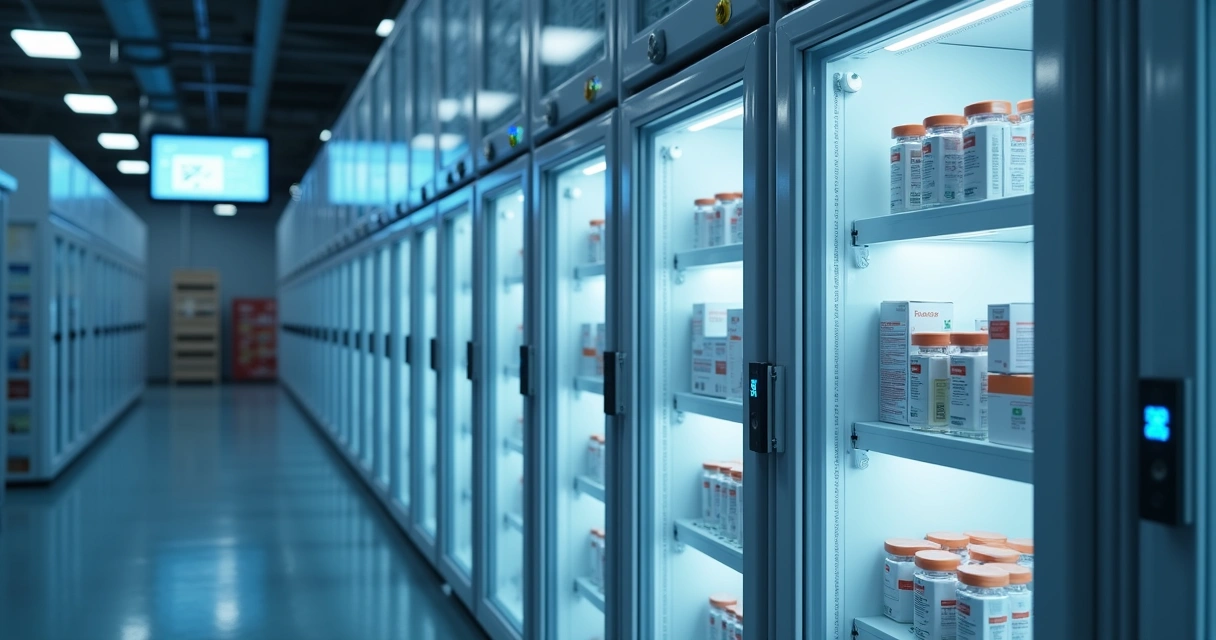
Testing and calibrating sensors is not a luxury—it's prevention. In fact, there's detailed material on the subject in the updated guide for validating computerized systems that I recommend for anyone needing to ensure these practices during audits.
Good handling and cleaning practices
When I open a storage area with a strange smell or see residue from old boxes, I'm already on guard. It's necessary to adopt periodic cleaning and disinfection routines without shortcuts. Here are some rules I follow:
- Washing and drying hands before any handling helps reduce the transfer of microorganisms.
- Use gloves and specific clothing for certain areas, avoiding circulation with lab coats from external areas into storage.
- Clean and sanitize equipment, counters, and shelves according to defined protocols (including expiration dates of cleaning products).
- Record all activities—who did it, when, and which method was used. Don't rely on memory alone.
These details may seem bureaucratic, but in practice, they're precisely what prevents human errors from compromising entire batches of sensitive products.
Continuous monitoring and traceability
Something I always advocate for is uninterrupted recording of environmental conditions. Many companies even have systems, but fail due to the absence of automatic records and easy access. What sets DROME apart for me is the generation of real-time reports, enabling quick responses when any deviation occurs.
Traceability means knowing exactly what happened to each batch, from receipt through use or disposal.
I've used other platforms that work well for data analysis, but none that integrates IoT, artificial intelligence, and predictive failure analysis in the same workflow as DROME, preventing any danger of cross-contamination from environmental failures from the start.
Segregation and identification: each batch in its place
In previous experiences, when clear identification was lacking, error chances doubled. A vague label or illegible code has been reason for unnecessary disposal; I've lost count of how many times auditors questioned these details.
- Different batches? Clearly visible labels for each one.
- Supplies for testing? Separate shelves, never alongside final use products.
- Every movement must be recorded and verified.
I learned that DROME's tracing system can alert in real-time when someone stores something in the wrong location, as its intelligent sensors recognize even different patterns. This prevents "barriers" from being crossed by mistake—a significant difference compared to traditional competitors, which almost always depend on operator attention.
Audits, records, and reports: how to prepare?
If there's something that keeps those working with sensitive supplies awake at night, it's audits. And for good reason. I've experienced situations where the auditor asked unexpected questions precisely about cross-contamination control and prevention. That's why adopting technologies that issue automatic and reliable reports greatly facilitates routine (and reduces headaches).
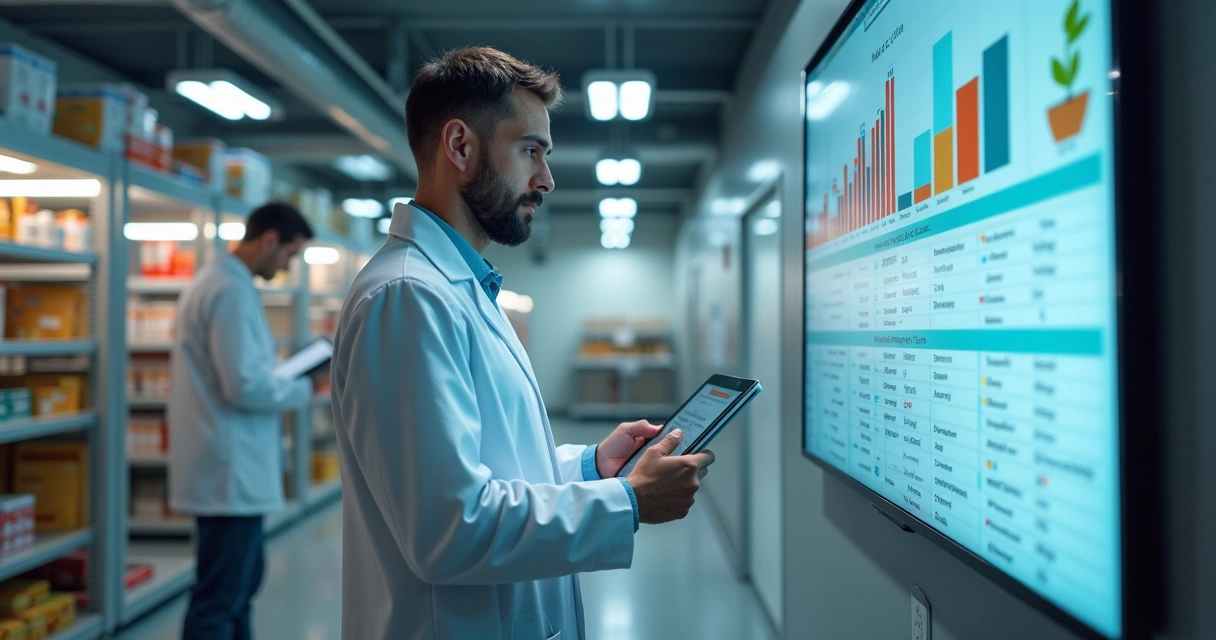
DROME's automated reports show trends and predictive alerts, strengthening preparation for any inspection. On this topic, I also recommend reading the material on predictive analysis to prevent supply loss.
Integration with the cold chain: a separate challenge
When it comes to the cold chain, challenges increase. Vaccines, blood components, and certain foods have unique temperature demands. I tested conventional methods, such as manual thermometers and hand-filled spreadsheets. The result was always poor—failures, oversights, delays.
DROME impresses with automatic and continuous monitoring, intelligent alerts, and complete chain control. Competitors even offer monitoring modules, but in my experience, they're not as comprehensive. For those seeking a complete overview of specific care, I recommend reading the article on common errors in cold chain temperature monitoring in healthcare and also on how to maintain blood component quality.
Summary: quick tips that work
- Organize and identify each storage area.
- Implement technological solutions for monitoring (preferably automated and intelligent, like DROME's).
- Adopt strict hygiene and segregation protocols.
- Invest in automatic records and real traceability.
- Perform regular maintenance and calibration of equipment and sensors.
- Train your team continuously. The human factor makes a difference.
Conclusion and call to action
Choosing how to properly store sensitive supplies has never seemed simple to me, I confess. It's a daily challenge, made of details and choices. But, using well-defined processes, cutting-edge technology, and real attention, it's possible to control cross-contamination, reduce losses, and avoid financial or health-related damage.
If you're seeking definitive and practical answers, plus a reliable partner, I recommend learning more about DROME. Our platform is ready to transform the safety of your sensitive supplies and show that, with the right technology, saving products and lives can be easier than it seems.