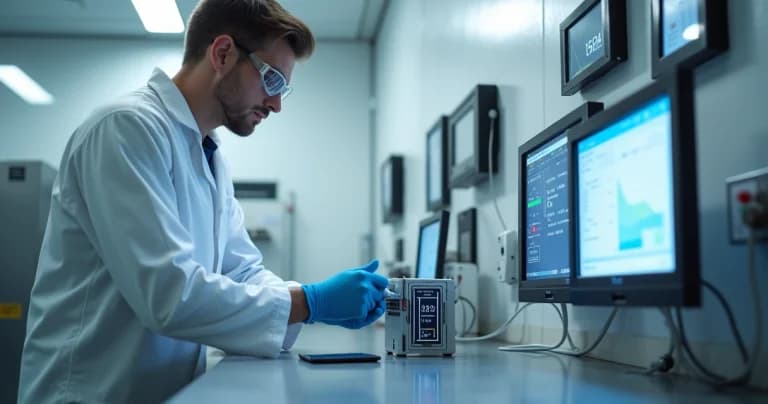
Imagine a laboratory where valuable vaccines are stored. There, attentive sensors monitor temperature and humidity around the clock. But have you ever thought about what happens if a small measurement error causes the loss of entire batches? It's precisely to prevent tragedies like this that sensor calibration isn't just a detail, but a practice that can save resources and lives.
Is calibration as complicated as it seems? It's not. And with technology like DROME's, this task becomes less stressful than many people imagine. Let's see together how each step works, the necessary precautions, and of course, some common mistakes you can avoid in your next calibration.
Small sensor failures can generate major losses.
Why does sensor calibration matter so much?
Sensors are part of the daily routine in laboratories, hospitals, cold storage rooms, and food production areas. Everything needs to be under control. But time, intensive use, and even small interference can affect the accuracy of these equipment.
- Incorrect measurements lead to false alarms or, worse, fail to warn about real failures.
- Financial losses: sensitive supplies, such as vaccines and medications, can spoil.
- Audit processes become compromised, making traceability difficult.
- Public health risks are aggravated.
At DROME itself, we see firsthand how sensor errors can disrupt entire routines. And that's why calibrating regularly isn't a technical detail, but a guarantee of confidence, even for those who need to follow strict regulatory agency standards.
What is calibration, anyway?
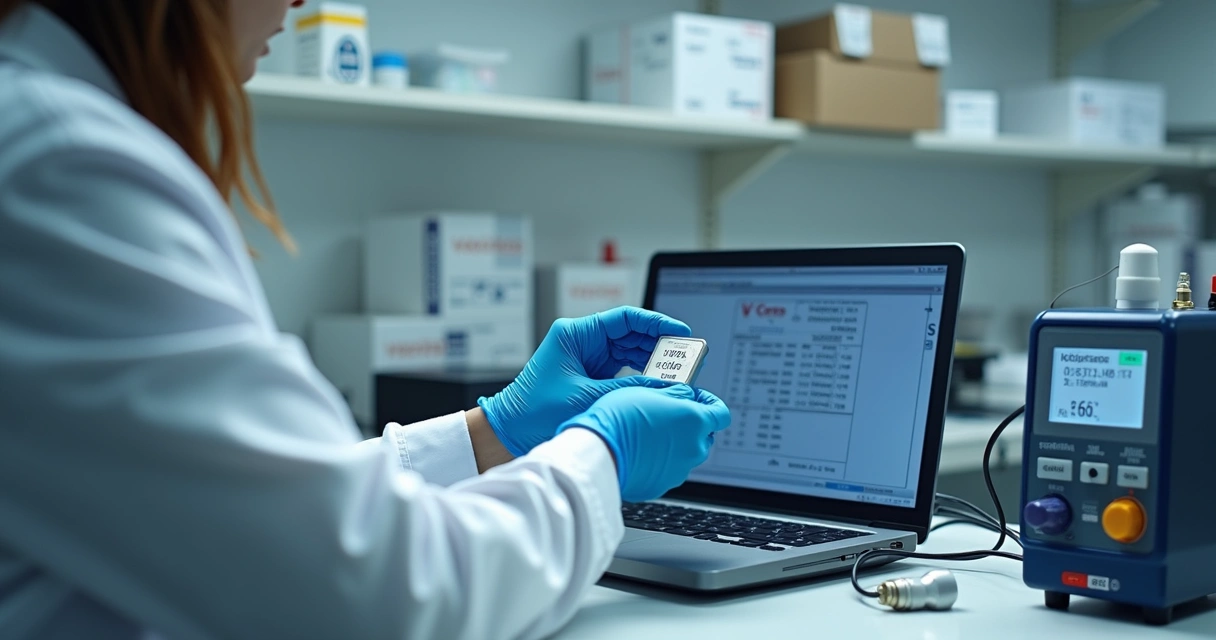
Calibration is the process of adjusting and comparing a sensor's data with a reliable reference value. It seems simple, but it has method, and that's what prevents unpleasant surprises.
- Sensor vs. standard: You measure the variable (temperature, for example) with the sensor and with a standard instrument.
- Comparison: Note any differences.
- Adjustment: If necessary, correct the sensor so it shows the correct value.
If you want to dive deeper into the world of monitoring, this guide on telemetry shows how everything starts precisely with reliable measurements.
When to calibrate? Ideal frequency and warning signs
The frequency depends on the type of sensor, regulatory standards, and the criticality of the process. Still, there are signs that no one can ignore:
- Long periods of use without maintenance
- Results outside standard after audits
- Exposure to extreme conditions, such as excessive heat, dust, or water contact
- Occurrence of sudden spikes or drops in readings
For laboratories that require constant validation, a suggestion is to consult similar routines, as seen in validation of computerized systems, which also requires careful monitoring.
Fundamental calibration steps
Calibration can vary in complexity, but the basic steps are practically universal. And honestly, following each one can prevent that sinking feeling during a surprise audit.
- Preparation
- Check that the environment is adequate (free from sudden temperature variations, air currents, etc.)
- Let instruments stabilize for at least 30 minutes beforehand.
- Verify that the standard used is certified and within its validity period.
- Measurement
- Take simultaneous readings with the sensor and with a reliable standard.
- Repeat the process at different points in the sensor's measurement range.
- Recording
- Note all values, including date, time, equipment identification, and who performed the procedure.
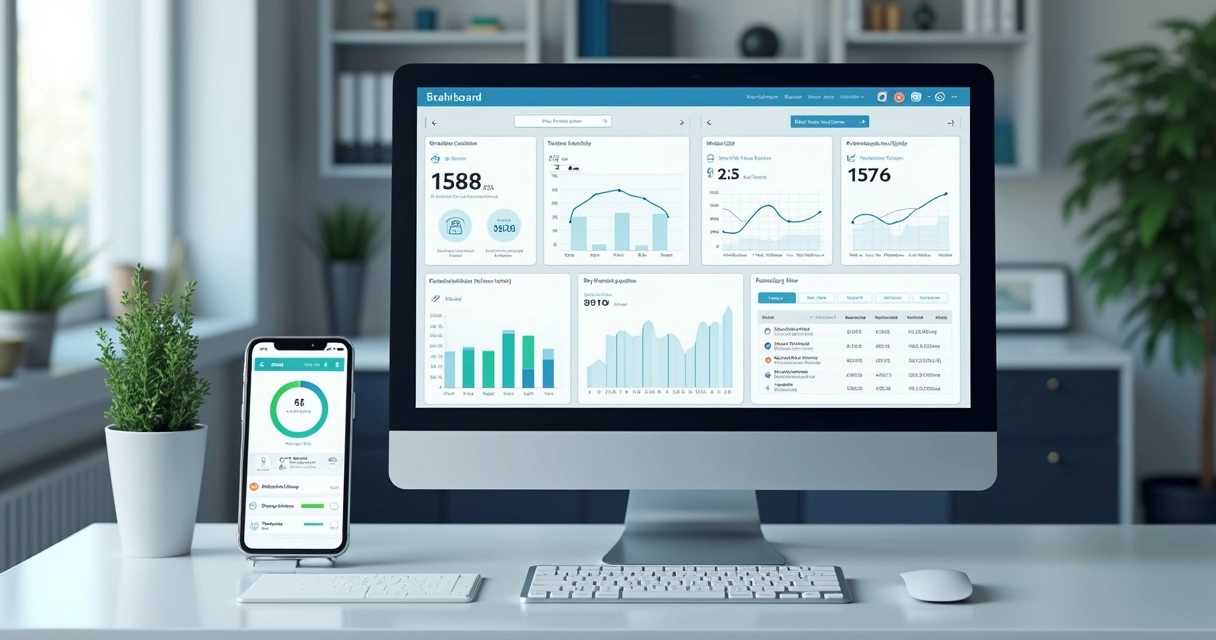
- Reports generated in DROME already organize this information automatically, which brings peace of mind during inspections.
- Adjustment, if necessary
- Correct or send the sensor for maintenance if the difference exceeds what is permitted by standards.
- Clear labeling
- Mark the calibrated sensor, mentioning the date of the next verification.
Challenges encountered in practice
Anyone who has dealt with calibration knows that things don't always go as planned. Sometimes the environment doesn't cooperate. The sensor may be difficult to access, or the chosen standard doesn't have a valid certificate. And when the process is manual, the risk of error increases even more.
Human errors and technical failures never announce themselves before they happen.
There are automated solutions on the market that promise to minimize problems, but end up delivering overly rigid controls or systems that are difficult to integrate. This is where one of DROME's major differentials comes in: integration with IoT platforms, intuitive reports, and automatic calibration alert management, all designed for the user to avoid distractions that can be costly.
Quick tips for hassle-free calibration
- Follow standardized procedures. Manuals aren't always fun, but they ensure that no one forgets any detail.
- Avoid areas near windows, doors, or equipment that generate heat. They're champions of measurement errors.
- Keep records updated. The more detailed, the easier it is to explain any variation during an inspection.
- Trust sensors of recognized quality and companies that issue valid certificates.
In DROME, it's possible to schedule automatic reminders, preventing deadlines from getting lost in spreadsheets or scattered notes. It seems simple, and it really is, but it makes a world of difference in your routine.
The DROME difference: automation, reliability, and peace of mind
Yes, there are other systems out there. You've probably come across alternatives that only alert you when the sensor is already far out of standard or, worse, don't allow easy integration with audit processes. DROME delivers real-time reports, calibration history, predictive alerts, and most importantly, support in English with close customer service—nothing replaces that proximity.
Want even more advanced monitoring? The use of artificial intelligence in DROME detects failure trends before abnormal readings even appear. Each variable is analyzed with predictive vision, while other platforms are limited to reporting when the error has already affected the data. This makes all the difference in ensuring an intact cold chain, a topic we detail in this article on temperature monitoring in healthcare.
Calibration and controlled environments: examples that inspire care
It's no exaggeration to say that extremely controlled environments, such as clean rooms or pharmaceutical laboratories, depend on calibration as part of their routine. If you want to dive deeper into practical examples, the article on clean rooms and air control shows how seemingly trivial variables can impact critical results.
Often, professionals share stories of small deviations detected at just the right moment that prevented serious problems: a newly calibrated sensor that reveals a compressor about to fail or records a sudden variation that saves batches from moisture damage.
Recording everything and anticipating failures is the best way to sleep soundly.
Final considerations and next steps
Calibrating sensors in controlled environments requires discipline and attention, but with the right tools you don't need to lose sleep. DROME was designed precisely to combine technology, practicality, and safety, simplifying tasks that in the past depended only on paperwork and luck.
If you're ready to take the next step and ensure reliable results, learn more about our monitoring solution, automated calibration, and comprehensive report generation. The invitation is open: discover how to transform your team's routine with DROME.