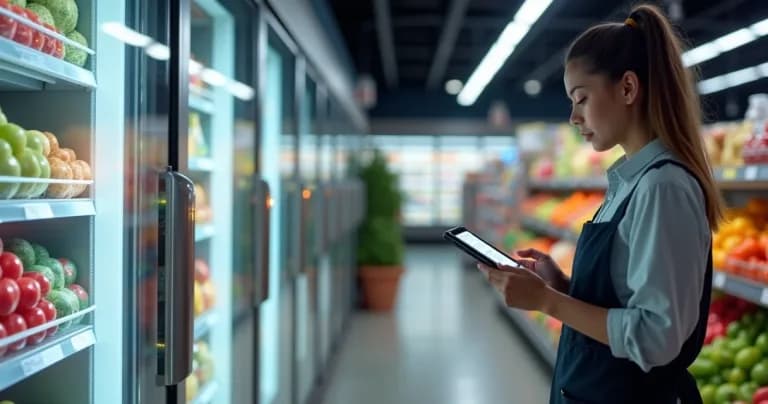
Anyone who has experienced the anxiety of finding a broken refrigerator on a busy Saturday in a supermarket understands the direct impact of these situations on inventory, profits, and even store reputation. It was during one of these moments, when I witnessed an entire team trying to save hundreds of kilos of yogurt, that I became convinced of the real value of predictive alerts. Behind every product kept safe is technology, analysis, and constant care for operations. I decided then to write this practical guide on how to adopt predictive alerts in supermarkets, thinking about what really makes a difference in daily management.
What are predictive alerts and why do supermarkets need them?
Throughout all my years working with supermarket management, I always heard complaints about losses of supplies due to equipment failures and storage problems. Predictive alerts are automatic notifications based on data analysis and trends, issued before failures actually occur. They are not simply an emergency warning, but a tool for you to act before danger becomes reality, helping to prevent serious losses.
In supermarkets, where temperature-sensitive and perishable products are part of daily operations, this type of technology proves fundamental. With it, it is possible to monitor in real time factors such as:
- Temperature of freezers, refrigerators, and cold storage rooms
- Humidity and condensation points in storage areas
- Operating status of compressors and electric motors
- Air quality in perishable storage areas
Prevention is the smartest way to save resources.
The role of DROME in anticipating problems
When I began searching for predictive monitoring alternatives, I discovered systems like DROME, which combine IoT and artificial intelligence for operational benefit. What sets DROME apart from conventional options is the ability to integrate different sensors, analyze equipment behavior patterns, and from that, predict anomalies before they disrupt your business.
I saw other services on the market, but most offer only basic alerts, without considering the complexity of operations and the multiple variables present in supermarkets. Generic solutions end up delivering many false or reactive alarms. DROME went further: it combines continuous monitoring with algorithms that learn how each piece of equipment behaves, even considering traffic spikes, schedules, and environment. This prevents unnecessary alarms and reduces stress on the team.
How predictive alerts work in practice
I usually explain that behind a good predictive alert is a clear sequence of steps. Let me simplify this step-by-step process:
- Automated data collection: Sensors installed at critical points record data on temperature, vibration, humidity, and energy consumption.
- Real-time analysis: This data is sent to the platform (such as DROME), which interprets patterns and identifies abnormal behaviors.
- Predictive recommendations: When detecting trends of possible failure, the system generates personalized alerts, recommending specific actions.
- Immediate communication: Alerts reach responsible parties (via app, SMS, email), indicating what needs attention, before any actual failure or breakdown occurs.
- Recording and history: All occurrences are saved, facilitating audits and preventive maintenance management.
This flow, when well-defined, ensures agility in response. I have witnessed situations where, thanks to a well-calibrated predictive alert, a freezer about to fail received quick maintenance, preventing total inventory loss and preserving customer trust.
Step-by-step guide to implementing predictive alerts in supermarkets
Over time, I have helped several teams structure this type of solution. For a supermarket wanting to implement predictive alerts, I recommend a straightforward roadmap:
1. Detailed diagnosis: Map all critical points in operations: cold areas, dry storage, warehouses, loading docks, etc. Talk with different departments. Each team has its own perspective on risks that don't always appear in reports.
2. Choose the right platform: Prioritize systems that go beyond the obvious. DROME, for example, combines monitoring of multiple variables, easy integration with existing sensors, and detailed reports. Other market platforms may promise integration, but typically have limitations in processing large data volumes or customizing predictive alerts.
3. Equipment integration: Installing sensors and "forgetting" about them is not enough. It is essential to adjust parameters to match your store's actual profile. Here, the DROME team typically offers support in sensor calibration, preventing human errors in configuration.
4. Define responsible parties and protocols: An alert only makes sense if someone knows how to act on it. Create simple workflows so that when the warning arrives, correct actions are taken without delay.
5. Monitoring and continuous improvement: Periodically review histories and refine alert parameters. I always find opportunities for adjustment to make operations safer and more efficient.
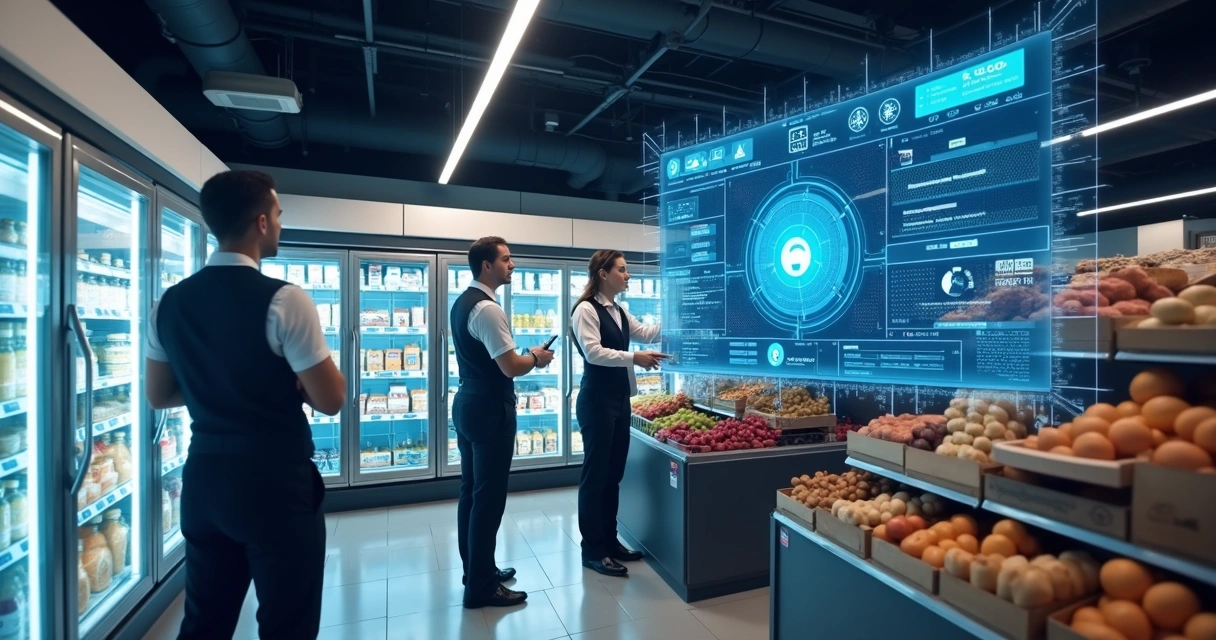 Results that make a difference
I have heard from many managers how discouraging it is to lose expensive products due to negligence or undetected failure in time. When predictive alerts are implemented, some transformations appear quickly:
- Almost immediate reduction in losses from refrigeration failures
- Greater team confidence, working focused on tasks rather than just putting out fires
- Significant savings in corrective maintenance
- Support for audits and regulatory processes, thanks to automatic reports
Risk control is what ensures peace of mind for your business.
Historical analysis of alerts also allows understanding seasonal patterns or chronic problems with specific equipment. I once recommended replacing a cold storage unit after seeing that month after month it showed unacceptable deviations. DROME's detailed reports are great allies in these decisions.
To deepen understanding of these impacts, I recommend reading about how predictive analysis can prevent supply losses. It's always good to see the data in practice.
Precautions when configuring and operating predictive alerts
Often, the desire to implement technology runs into anxiety for quick results. Early on, I witnessed setups where excessive notifications confused more than helped. So, some points of attention I usually emphasize:
- Adjust alert thresholds according to product characteristics and equipment type
- Avoid excessive alarms to prevent alert fatigue on the team
- Conduct regular failure simulations
- Train those who receive and respond to alerts
- Periodically check sensor calibration
DROME itself offers technical support and automatic audit of readings, a real advantage over competitors who leave support to the customer after the sale. I have had experiences with systems that, after installation, did not connect properly or provide complete audit histories. This disrupts the entire operation.
Those wanting to understand how alert automation can be designed for different stages of the cold chain can learn more about the 6 essential types of alerts for this segment.
Beyond supermarkets: logistics and cold chain
The use of predictive alerts does not end on supermarket shelves. Logistics companies, distributors, and even restaurants already rely on this type of solution to control ideal preservation conditions. The greatest impact appears in waste reduction and quality control, which grows alongside customer confidence.
For those with their own logistics operations, there are specific contents on predictive monitoring in the logistics area, bringing useful ideas for integrating transportation with the point of sale.
For those working in food service or restaurants, another interesting content addresses loss reduction in preparation and storage: intelligent monitoring to prevent waste in restaurants.
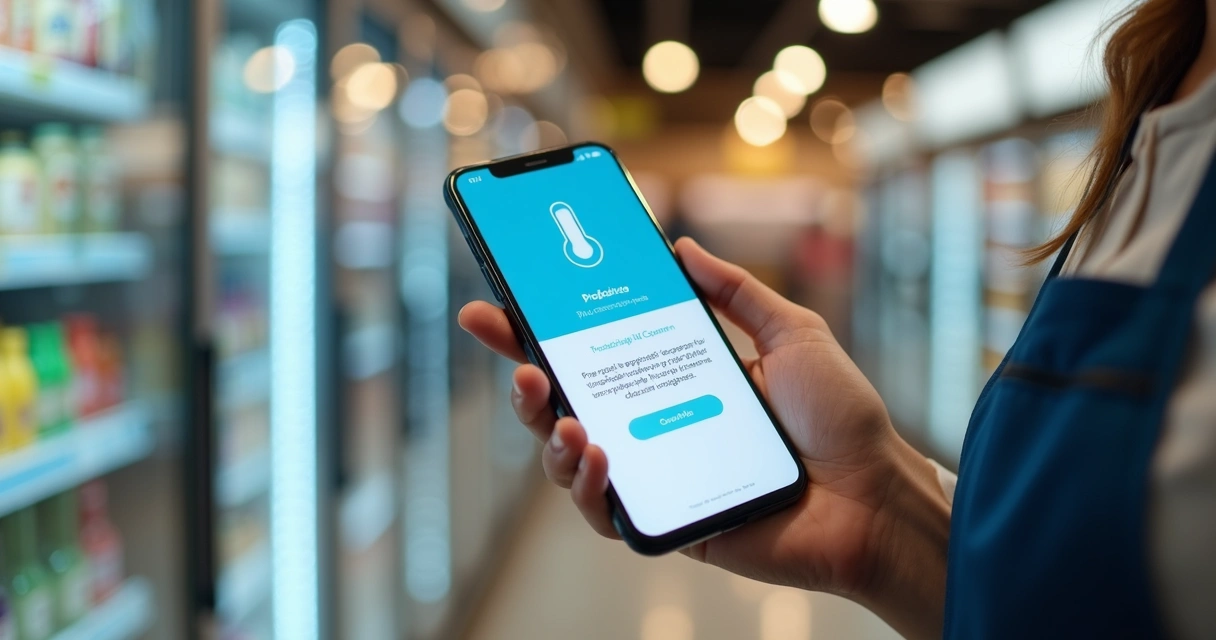 The future of predictive alerts with artificial intelligence
I have been following rapid developments in the use of artificial intelligence and IoT in supermarkets. DROME is always one step ahead by using artificial intelligence and pattern analysis to deliver predictions that go beyond simple monitoring. More basic platforms may issue reports, but they lack "intelligent" predictive analysis, missing the chance to anticipate failures before problems escalate.
Those interested in deepening this subject can find excellent articles on artificial intelligence trends in this sector, showing a bit of what awaits us in the coming years.
Conclusion: the next step is to act
If there is one lesson I have learned over the years, it is that those who invest in prevention and intelligent monitoring gain time, avoid waste, and build a reputation for trustworthiness. DROME represents the most comprehensive option in this area, with careful attention to supermarket reality and a platform easy to integrate into daily operations.
I invite you to learn more about DROME solutions and transform how your supermarket prevents losses, cares for supplies, and responds quickly to risks. The difference appears in the first few months, and the return in control and peace of mind is even better.