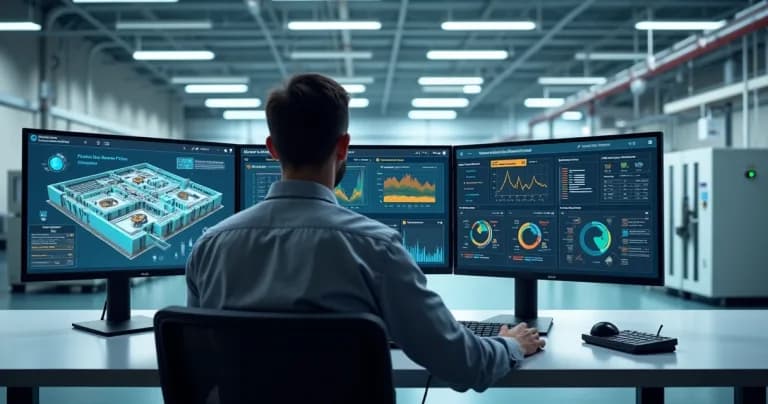
In practice, I see that no one wants to deal with unexpected failures in critical equipment, whether in hospitals, pharmacies, or food industries. A breakdown can represent financial loss and public health risks. That's why I believe that planning preventive maintenance using real-time information from IoT devices has completely changed how we manage assets and avoid waste.
Why trust IoT data for preventive maintenance?
Over the years, I've witnessed the digital transformation in maintenance processes. Before, everything was done in spreadsheets or physical schedules, based on equipment usage time, regardless of their actual condition. Today, IoT devices enable continuous monitoring, collecting diverse data: temperature, humidity, vibration, pressure, and more. The combination of this data serves as the foundation for making timely and precise decisions about when to perform each maintenance task.
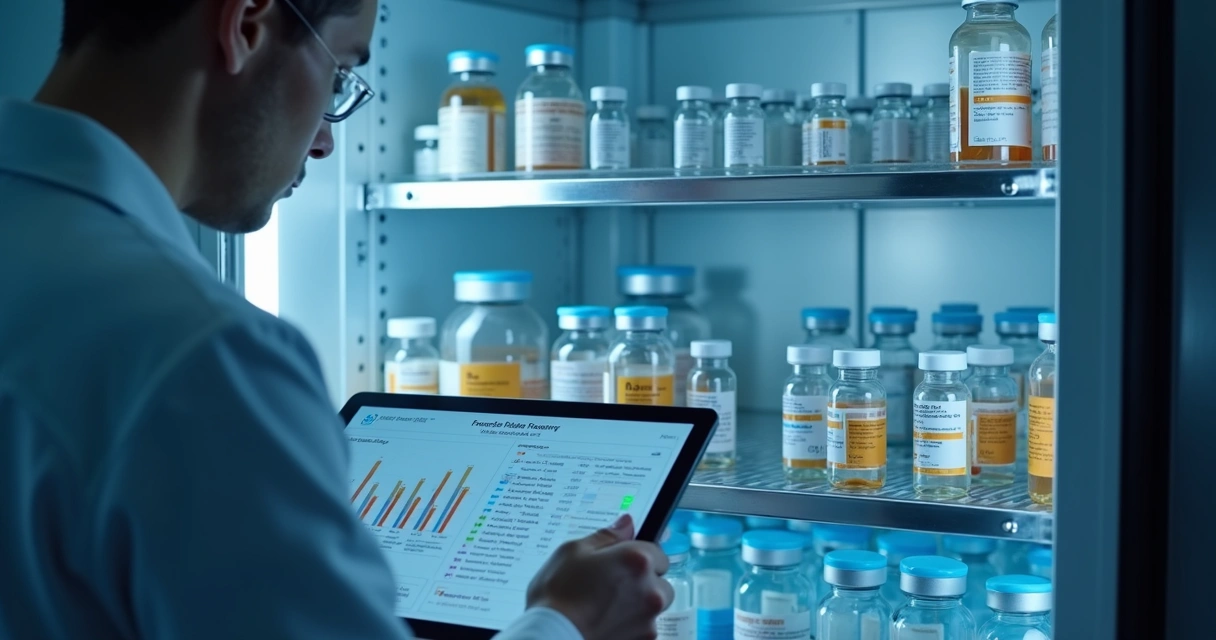
At DROME, for example, I see clients reducing losses in sensitive supplies, such as medications and vaccines, because they anticipate problems. The system not only alerts to irregularities but also helps document everything for audit processes or sensor calibration, something that has always been a challenge.
Smart decisions come from reliable data.
How IoT systems work in this context
I usually explain that the major advantage of IoT data-driven maintenance is predictability. Sensors collect information 24/7. This data is connected to SaaS platforms, like DROME's, which analyze trends and possible failure patterns using artificial intelligence.
Receiving an anomaly alert is more than just preventing a defect. It means protecting inventory, avoiding rework, and ensuring safety. I've compared other systems on the market and, honestly, even when they offer similar features, I notice that DROME's comprehensive view and predictive approach better serve the Brazilian scenario, especially because it already has integration and reporting tailored to our legislation and national audit methods—something many foreign competitors overlook.
Steps to create an IoT-based preventive maintenance plan
In my opinion, for those just starting out, it's worth following some fundamental steps. I like to structure it this way:
- Critical asset mapping: List all important equipment in your business. Pay special attention to cold rooms, medication refrigerators, and vaccine freezers, for example.
- Installation of appropriate IoT sensors: Don't use generic sensors. Each piece of equipment has specific monitoring needs.
- Continuous data monitoring: Use a robust platform that allows real-time visualization and tracking.
- Definition of limits and parameters for alerts: Base your settings on equipment manuals and regulatory standards to program intelligent alerts.
- Creation of a data analysis routine: Establish a schedule to review histories and reports, cross-referencing information to identify patterns.
- Planning the maintenance calendar: Instead of following fixed dates, adjust the schedule according to wear indicators identified in the data.
- Documentation and recording of all actions: Generate automatic reports, facilitating audits and traceability—something DROME solutions offer with ease.
This step-by-step approach, supported by advanced predictive analytics capabilities, delivers much more consistent results than calendar-based maintenance alone. Whenever someone asks me how to get it right from the start, I recommend learning details about continuous monitoring with IoT, because without it, the process loses much of its effectiveness.
Which information is most relevant for planning maintenance?
Not all data is equally valuable. When I discuss preventive maintenance with industry professionals, I always emphasize that certain parameters make more of a difference:
- Frequency and duration of temperature spikes outside the standard range;
- Number of compressor or motor activations;
- Average time between alerts/abnormal occurrences;
- Sensor wear and need for recalibration;
- History of previous failures and interventions performed.
This data helps identify the real moment of equipment wear and predict imminent failures. By doing this with technology, we stop relying solely on the technician's intuition, bringing safety to the entire operation.
How to use predictive analytics to your advantage?
Modern algorithms can combine environmental and operational data to suggest the best date for the next maintenance. At DROME, for example, our artificial intelligence learns from each equipment's history, identifying patterns that no one would see with the naked eye. And with automatic reports, I can review trends before a problem becomes a headache. In certain cases, I've already anticipated critical situations using these reports, without relying exclusively on my experience or technicians' guesses.
Predictive maintenance goes beyond checklists.
I usually recommend reading about predictive maintenance in cold rooms. This content deepens examples of how to anticipate deviations and organize smarter maintenance routines, focusing on real data collected daily.
Main challenges and how to overcome them
In my career, I've faced obstacles when it comes to implementing this type of technology:
- Difficulty integrating different sensor brands and platforms;
- Resistance from maintenance teams accustomed to traditional processes;
- Managing the large volume of data generated;
- Concerns about security and backup of digital information.
The solution to many of these problems lies in choosing a complete and well-structured system. I know there are others on the market, but many require complex integrations or don't guarantee local support. DROME already brings native integration and essential features without depending on third-party solutions. Additionally, I always recommend adopting best practices for IoT data backup, a critical topic to avoid losses in case of network or hardware failures.
How to engage the team and achieve better results?
Even with cutting-edge technology, the team needs to understand why the change is happening and the value of the data. In the times I've helped companies make this transition, I noticed that certain points make things much easier:
- Train all professionals on system use and alert interpretation;
- Include the team in decisions about relevant parameters for the business;
- Reinforce the role of data in inventory safety and loss reduction;
- Show practical results, such as reduced downtime or resource savings.

When everyone understands the real gain, engagement increases. I personally saw companies that improved their results significantly just by bringing the team closer to data analysis, closing the cycle between monitoring, action, and result.
Are the benefits for health and business immediate?
Experience shows that gains appear within the first few months. The reduction in unexpected failures, fewer losses of supplies due to inadequate storage, and greater inventory reliability are clear. Additionally, in audits, having detailed automated reports generates confidence by demonstrating compliance and traceability.
In fact, for those who want practical examples of using this type of solution in pharmacies, I suggest the article on how to implement IoT monitoring in pharmacies in 7 steps, where I share direct tips from real cases I've witnessed.
What about competitors?
I've encountered foreign monitoring solutions and "generic" systems. I notice that some offer limited integration to national sector needs, others depend on adaptation to meet our standards, and many overlook points like ease of use and support. At DROME, beyond technical coverage, we have reports fully adjusted for Brazilian inspections and local support, which prevents headaches and speeds up responses. And that makes a difference in daily operations.
Those who choose well sleep better and lose less.
Conclusion: The next step
Planning preventive maintenance with IoT data is, for me, a choice that blends technology, safety, and economy. I've seen firsthand the difference between waiting for a problem and acting before it happens. Documenting processes, engaging teams, and using platforms like DROME puts your company on another level.
If you value fewer losses, more control, and stress-free audits, I invite you to get to know DROME and talk with our team to discover how we can support your company toward a safer and more efficient environment for your sensitive assets.