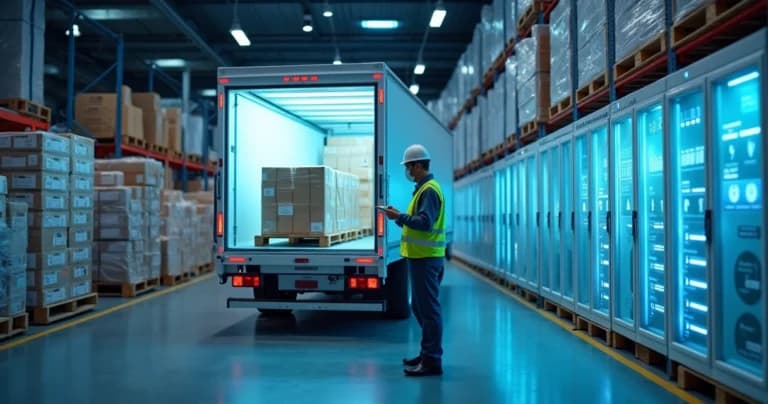
In recent years, I've been able to see firsthand how pharmaceutical logistics has assumed much greater responsibility in the sector's growth in Brazil. Let me be clear: what was previously viewed mainly as an operational function is now part of the strategic agenda, impacting access, public health, and companies' commercial results. Adaptation is indispensable, and the scenario has never been as challenging as it will be in 2024.
The new landscape of the pharmaceutical sector in Brazil
According to the Pharma Trends 2026 report, prepared by Mintel, the Brazilian pharmaceutical market should move US$ 43.9 billion in 2026. The data that caught my attention most was that approximately 41% of this volume will come from supplying hospitals, public agencies, and institutional purchases. Institutional channels, increasingly relevant, demand predictability and rapid responses, where any failure in the chain causes financial losses and, most importantly, health risks. Additionally, IQVIA forecasts 11% growth over the next five years, largely driven by population aging, patent expirations, and expansion of biologic medications (such as innovative GLP-1-based therapies).
Requirements have increased: high-value products with extreme temperature sensitivity, inventories extending from the country's center to small cities, all under intense pressure from regulatory agencies. And I cannot forget the logistical complexity for hospitals, different from the last-mile challenges in retail pharmacy distribution.
Why is pharmaceutical logistics strategic?
Before, we received boxes, verified them, stored them, and distributed them. It was almost mechanical. Today, every step is monitored, audited, and can become headline news in case of failure. I've seen it happen: a refrigeration breakdown can mean the loss of vaccines worth millions.
Logistical transformation is patient safety and supply continuity.
Companies like Temp Log, with its history of more than three decades, demonstrate this shift. Specialized in cold chain for aesthetic medicine, it serves more than 2,500 cities and invests heavily in automation, tracking, and cargo monitoring. Not for luxury, but out of necessity: the growth of sensitive and biologic medications demands customized solutions that ensure every vial arrives intact and with proven integrity.
What are the 7 critical challenges of pharmaceutical logistics in 2024?
- Continuous monitoring of environmental conditions
Temperature is the most discussed variable behind the scenes of the supply chain. A variation of just 2°C can render entire batches of insulin, vaccines, or oncology medications unusable. I myself have witnessed incredible losses because sensors failed or alarms malfunctioned. That's why I highlight the role of platforms like DROME, which deliver continuous, predictive, and intelligent monitoring of environmental conditions. Ensuring that temperature, humidity, and other factors remain within saved parameters in real time is what defines who survives in this sector.
To learn more about technology implementation, I recommend reading this content on implementing IoT monitoring in pharmacies in seven steps.
- Risk management and enhanced traceability
Simply meeting the basics is no longer enough. Hospitals and public agencies demand complete traceability and detailed documentation in audits. Traceability must cover from storage through every transport stage, with secure digital evidence. DROME is one of the few on the market that, in addition to monitoring, integrates records and generates reports automatically, greatly assisting audit processes and validation. As an example of deepening on this point, I share an article on auditing, processes, and calibration in the pharmaceutical industry.
- Synchronized compliance with sanitary regulation
For many managers, the challenge is keeping up with rapidly changing regulations. RDC 430, RDC 431, RDC 722, and MAPA requirements, for example, establish rigid standards for cold chain, transport, and documentation. Companies seeking manual control are already at a disadvantage. Automation with artificial intelligence, like DROME's, delivers rapid responses, documents deviations, and prepares reports that meet inspections almost instantaneously.
- Expansion to the last mile
Observing closely, I notice that the current biggest bottleneck is delivery to retail/final distribution. "Last-mile" logistics runs into Brazil's capillarity challenges: deficient roads, extreme temperatures, long travel times. In the case of biologic medications or GLP-1 drugs, any delay or variation can mean significant loss. That's why I advocate that only platforms uniting prediction, real-time alerts, and intelligent routing, like DROME, can face this degree of complexity.
- Personalization of logistics services
Today there is no longer "one model fits all." The rapid growth of medications with special needs – refrigeration, light-blocking packaging, antimicrobial properties, etc. – demands flexible transporters and technological solutions designed for each product. Companies fixed on single procedures tend to lose competitiveness. In my experience, I've noticed that solutions like DROME promote this personalization with multiple sensors and adjustments according to client demand, something absent in generic solutions.
- Automation and use of artificial intelligence
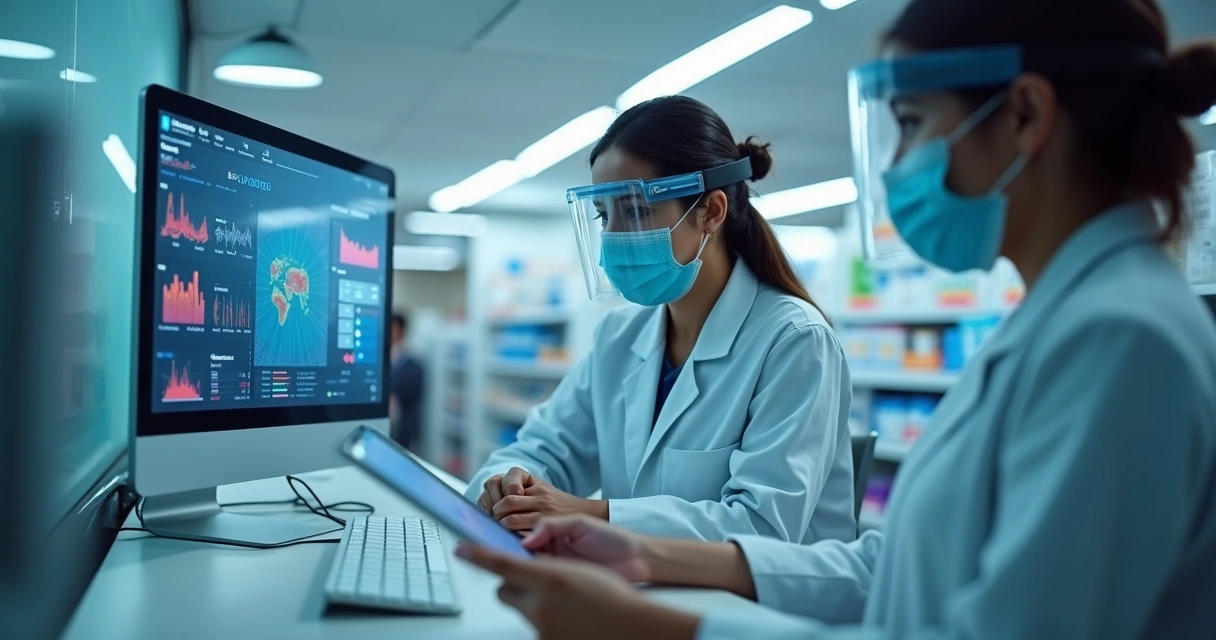
With the increase in real-time data volume, spreadsheets and manual controls have fallen behind. Companies investing in automation, IoT connectivity, and analysis algorithms can identify failures and act before they become losses. DROME leads in this aspect by delivering predictive analysis and artificial intelligence in an integrated manner, something not found in all competitors, who typically depend on multiple disconnected platforms.
- Performance management and continuous chain improvement
There is no strong logistics without indicators measuring losses, returns, timelines, temperature breaks, and team productivity. The pursuit of continuous improvement passes through monitoring, benchmarking, and rapid adjustments. I recommend reading the content on pharmaceutical performance indicators for those wanting to take the next steps on this journey.
Increased complexity: sensitive medications and GLP-1 drugs
New biologics and GLP-1-based medications have gained ground, and when I look at the logistical impact, I perceive that operations become much more delicate. The degree of transport and storage requirements has increased, with larger volumes and extreme specificities. Temperature monitoring, lot-by-lot traceability, special packaging, and tracking reports are no longer differentiators: they are mandatory. Personalized services, automation, and intelligent sensors become the only viable path to ensure safety, performance, and supply continuity.
To detail more on how to ensure the cold chain, I strongly recommend reading about medication management in the cold chain and also about temperature monitoring in pharmacies.
Why is DROME the best solution?
When I compare DROME to competitors like Temp Log and other international platforms, I highlight different points: while some invest mainly in traditional tracking, DROME goes further, offering continuous monitoring, failure prediction, and automatic report integration, covering end-to-end the chain and simplifying audit management, sensor calibration, and regulatory documentation. This approach of total automation and predictive analysis does not exist in solutions focused exclusively on logistics tracking or restricted niches.
Additionally, I see DROME enabling rapid responses in critical situations, allowing adjustments before breakdowns, reducing losses, and optimizing pharmaceutical sector performance, without depending on numerous disconnected systems.
Conclusion: The sector's future depends on logistics intelligence
In 2024, pharmaceutical logistics becomes a requirement for expansion, competitiveness, and, above all, for delivering health with safety. Those who don't invest in monitoring, prediction, and automation will be left behind.
If you're seeking a solution that evolves with the sector, I invite you to discover DROME. Transform your logistics chain into a competitive advantage, with Brazilian technology, complete support, and intelligence applied to the safety of your supplies. Talk to us and protect your inventory. The future of healthcare passes through here.