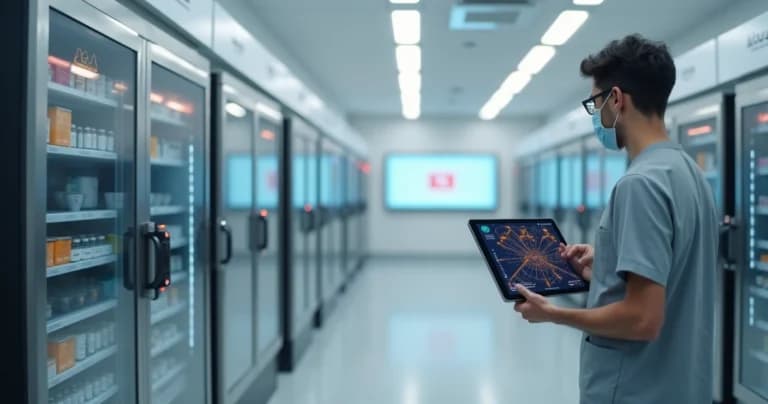
I've seen firsthand how environmental control can impact an entire clinic's routine, especially when dealing with sensitive supplies like vaccines and medications. With increasingly stringent regulatory requirements and constant audits, thermal risk has become a headache that no team finds easy to monitor. But with the right technology support, I believe it's possible to transform this challenge into a safe and efficient task.
What is thermal risk in clinics?
In my understanding, thermal risk involves any situation where temperatures outside recommended ranges could compromise supplies, equipment, or the health of patients and professionals. This ranges from inadequate vaccine storage to a refrigerator failure overnight. The cold chain in healthcare is especially vulnerable to these situations, which can generate financial losses, legal risks, and serious health problems.
Wrong temperature gives no second chance for medications or vaccines.
That's why mapping all critical points where variations can occur and put everything at risk is so relevant.
Where to start the mapping?
In my experience, everything starts with a careful look at the clinic's workflow. I observe which supplies are most sensitive, where they're stored, how they're transported, and most importantly, who manages each step. Team involvement is fundamental; each employee knows where daily mishaps happen.
- Mapping routes and storage points for temperature-sensitive supplies
- Verification of equipment (refrigerators, freezers, cold rooms, etc.)
- Analysis of maintenance and calibration records
- Interviews with professionals responsible for handling supplies
- Monitoring of receipt and transport through final use
This is how I identify where failures might go unnoticed.
How to identify critical points?
Critical points are usually linked to both the physical structure of the location and human behavior. I've seen oversized refrigerators in small clinics or placed near heat sources, like windows and air conditioning units. Not to mention simple errors, like frequently opening refrigerator doors. To make sure nothing escapes, I recommend evaluating:
- Physical location of equipment: Places near external walls, windows, and areas with direct sunlight are more thermally unstable.
- Usage routine: Equipment accessed at the beginning of the morning or at the end of the workday is more exposed to thermal variations.
- Maintenance and calibration: Equipment without preventive maintenance has a higher chance of silent failures.
- Stock size: Refrigerators that are full or nearly empty have different thermal behavior than ideal.
- Transport routes: Internal transfers made without adequate thermal containers represent a risk that many forget to map.
Detecting these details makes the difference between effective control and a problem about to explode.
Technology in monitoring and mapping
When I realized that manual reports were unreliable and difficult to audit, I sought automated platforms. DROME stands out because it combines continuous monitoring, intelligent sensors connected via IoT, automatic reports, and predictive analysis. This way, I not only identify critical points quickly, but can act before damage occurs.
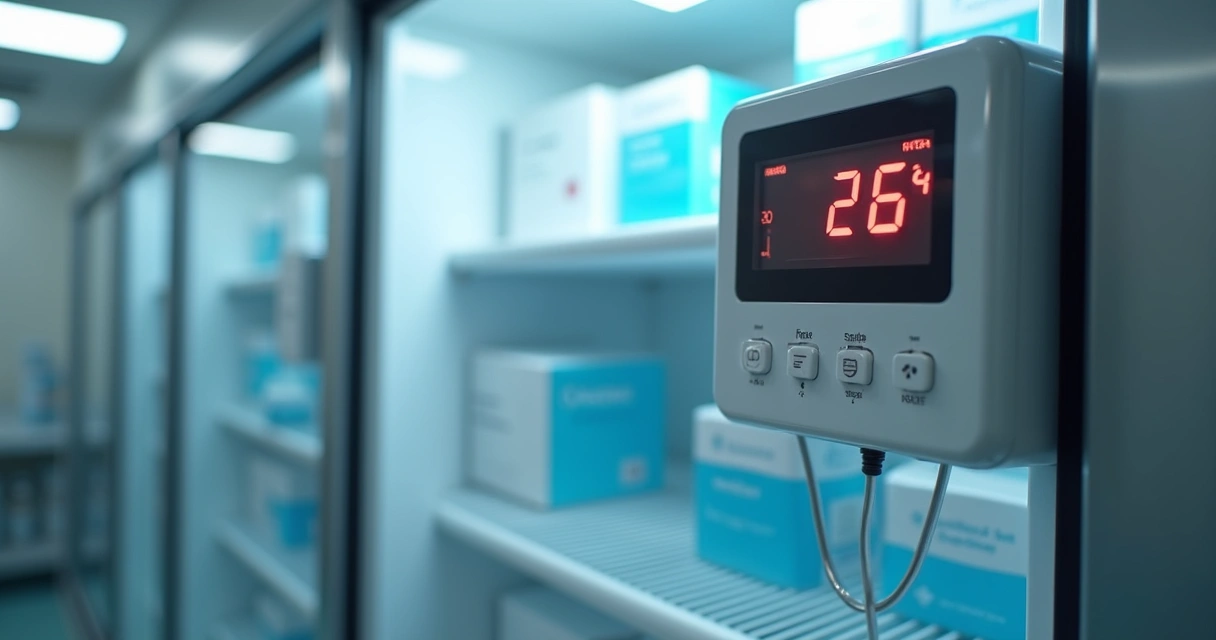
Other providers even promise similar solutions, but usually restrict customization of monitored variables or complicate integrations. In DROME's case, the combination of artificial intelligence and easy data access reinforces a security that I found difficult to achieve through traditional methods or competing platforms.
Practical steps to map critical points
Each clinic has its own pace, but I suggest a practical roadmap that has worked well whenever I've organized this type of project:
- Know the environment layout: Walk through the clinic observing where refrigerators, freezers, storage areas, pharmacies, laboratories, and treatment suites are located. Pay attention to temperature variations in these environments throughout the day.
- Understand the routines: Talk with those responsible for each sector. Find out what times and how supplies are handled. Record seasonal changes, such as air conditioning use during hot periods or the arrival of large vaccine volumes.
- Document the equipment: Gather information about age, maintenance history, capacity, and installed temperature sensors.
- Implement intelligent sensors: Position sensors in strategic locations, especially at points identified as most vulnerable. Using wireless sensors makes this process much easier. Try short recording intervals initially, so you understand thermal behavior in real time.
- Study collected data: With data in hand, look for variation patterns and unusual events. Platforms like DROME automate this analysis, which speeds up this step considerably.
- Simulate failures: Create test scenarios, such as prolonged door openings or overnight equipment shutdowns. This way, you can adjust protocols before a real situation occurs.
- Review the plan periodically: The environment changes, as do the risks. I find it fundamental to regularly review the mapping and monitoring.
These steps aren't time-consuming when you have quality technology. Transparently, clinics don't always have many resources available. But I've seen impressive results with solutions focused on truly critical points, without unnecessary spending.
Detail is never excessive when health is at stake.
Special care when storing vaccines and medications
Much has already been said about storage, but I think it's always worth remembering even simple precautions:
- Avoid stacking boxes over cold air outlets from equipment
- Never rest supplies directly against refrigerator walls
- Organize high-turnover medications in front
- Manually record atypical events to cross-reference with electronic data
- Use audible alarms for critical situations
I'd like to recommend reading about best practices in cold chain monitoring for those who want to better understand all these practical points.
The role of reports and audits
Complete reports are essential when irregularities occur. Platforms like DROME generate detailed reports, organize sensor calibration management, and simplify life during audits. I've accompanied clinics that spent hours trying to resolve inconsistencies, and today, with automatic reports, they focus directly on solving the problem.
I believe this makes all the difference compared to other market solutions, which either don't deliver the same integration, or keep data only locally, making future queries difficult.
Human errors: how to minimize them?
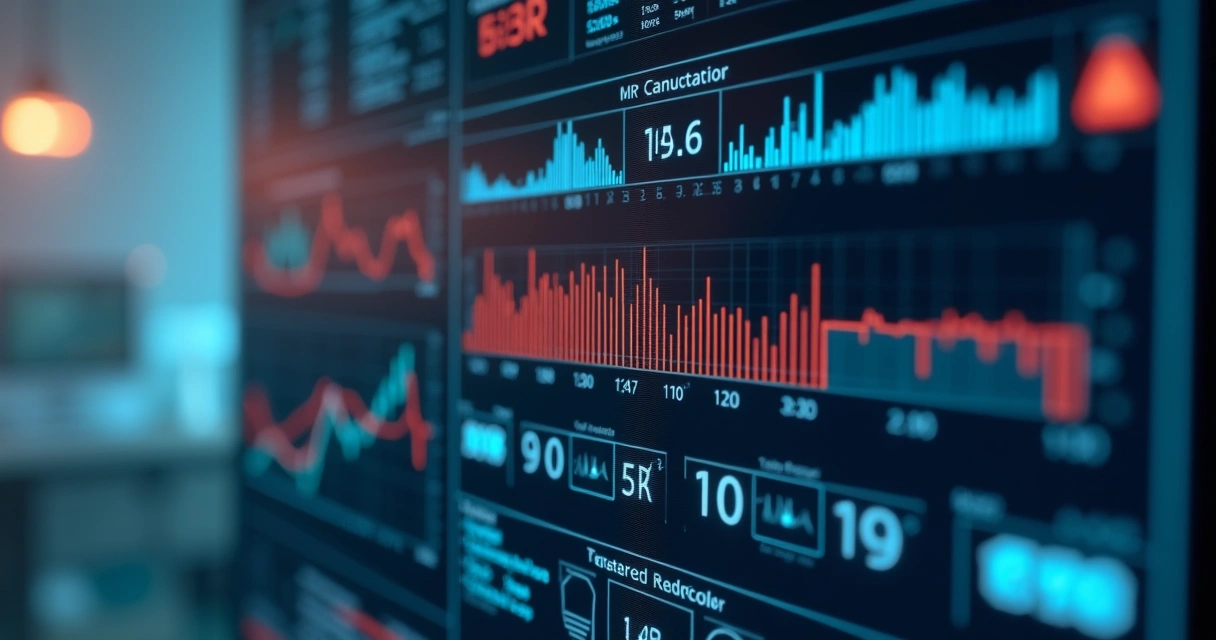
Often thermal risk arises from daily carelessness. Doors left open, disconnected sensors, records made in a rush. That's why continuous training and the use of systems that alert in real time, like DROME, become allies for those seeking safety. Automatic alerts via cell phone or email make a difference when every second counts.
If you want to dive deeper with practical tips, I've already written content on how to avoid cold chain monitoring errors with real examples.
Why choose an intelligent solution?
Some clinics still try to use spreadsheets and manual records, but any power outage can erase an entire month of control. Other competing systems even deliver alerts, but usually fall short in predictive analysis and integration of varied environmental variables. With DROME, I don't just see control of what already happened, but also predictions that help me prevent problems down the road.
When I analyze the options, I see that ease of implementation, predictive analysis, and support whenever I need it make all the difference, and DROME delivers this with expertise.
If you want to see even more detailed prevention tips, I recommend the article on factors to prevent losses in hospital storage that I wrote with the daily routine of clinics and laboratories in mind.
And for those looking for a perspective on temperature and humidity monitoring in clinics, it's also worth checking out the content I prepared based on the latest developments in the field.
In fact, solutions based on IoT and artificial intelligence, like those in our portfolio for laboratories, are already an accessible reality.
Conclusion: Safety begins with mapping
Being ahead in controlling thermal risk is what ensures the integrity of medications, vaccines, and an entire clinic's reputation. In my experience, counting on reliable partners and technology like DROME makes everything safer and simpler. If you want to take your monitoring system to the next level and feel confident facing audits, I invite you to learn more about our platform. Care for your patient from storage onward, and be part of a new era in environmental control for clinics.