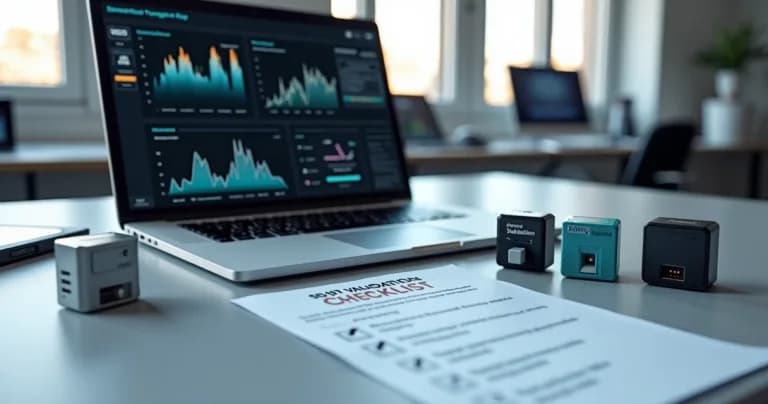
Not long ago, I began to notice how IoT sensor validation is becoming increasingly present in conversations among healthcare, logistics, and food industry professionals. I remember well that meeting at a hospital where an entire batch of insulin was discarded because a sensor went out of calibration for two days. Since then, I've dedicated myself to observing and understanding how to ensure that sensors truly deliver on their promises.
Here, I'll share the checklist I follow carefully for IoT sensor validation, especially with an eye toward what has already changed (and continues to change) for 2026. DROME, a platform of which I am a witness and user, showed me in practice the difference between performing this validation with technology and intelligence or leaving the process vulnerable to human error.
Why does validating IoT sensors make such a difference?
In an era where waste of temperature-sensitive inputs, such as medications and vaccines, can put lives at risk (not to mention financial loss), it's no exaggeration to say that attention to monitoring is the foundation of safety.
Small inaccuracies lead to large silent losses.
In my years following different systems, I noticed that it's not just a hardware issue. The software needs to cross variables, learn patterns, and predict failures. Projects like DROME bring precisely this perspective with artificial intelligence, predictive analytics, and automated reporting. What once depended on attentive human observation now has constant support from algorithms, reducing risks.
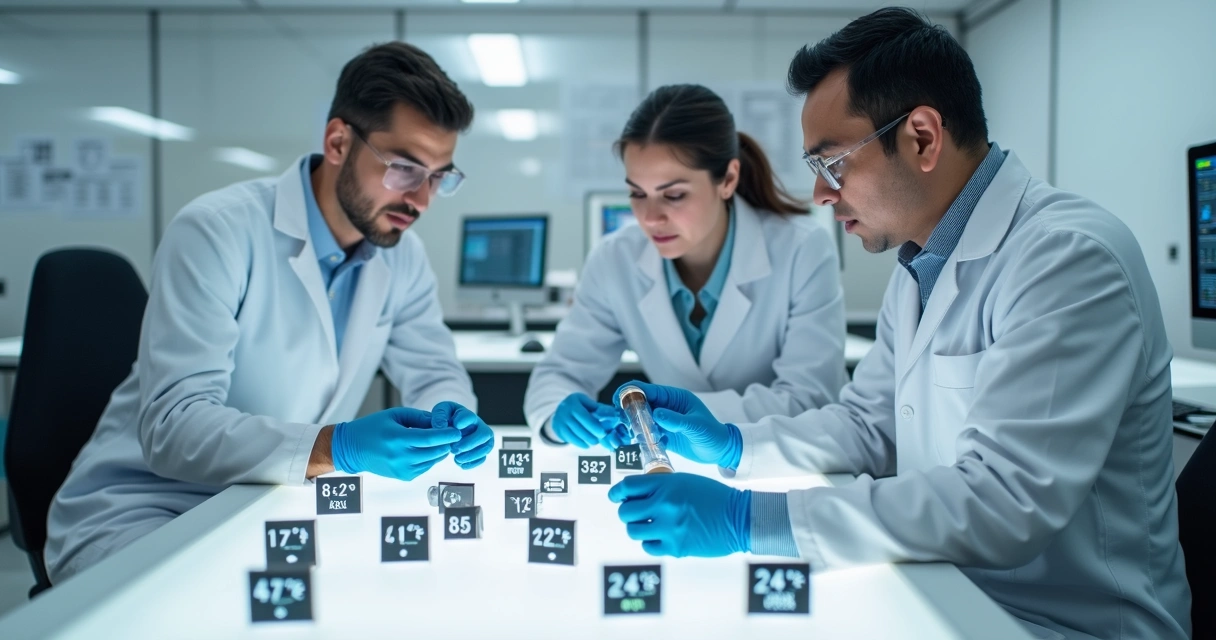
Definitive checklist for IoT sensor validation in 2026
These are the points I follow rigorously, and I recommend putting into practice before any audit or implementation:
1. Complete technical documentation
- Ensure that every IoT sensor has its updated manual, specification sheet, and conformity certificates.
- Verify traceability options (serial number, reference, batch, manufacturing year).
- Maintain digital records, facilitating integration with platforms like DROME and calibration controls.
2. Calibration and periodic verification
- Seek validations in real environments: laboratories, cold rooms, chambers, etc.
- Define calibration frequency according to standards such as ISO 17025 or ANVISA.
- Use tools that automate calibration scheduling and recording (what I see in DROME is quite different from competitors; here the entire cycle is integrated and alerted via automation).
- When calibrating, document all results and errors found.
For those who want to delve deeper into the process, I recommend the practical guide to sensor calibration in controlled environments.
3. Variable testing under real conditions
- Perform cross-validation using certified standards (for example, internationally traceable thermometers).
- Check different points of use. A single location can be misleading due to microclimates or isolated failures.
- Test sensors at extremes: temperature limits, maximum/minimum humidity, power outages.
- Record everything with photos, system logs, and automated reports.
4. Integration with monitoring platforms
In my experience, disconnected sensors are major sources of headaches. Today it's common to require that every sensor can send data in real time, not just on an ad-hoc basis:
- Prefer sensors compatible with SaaS systems, like DROME, which not only stores historical data but also applies predictive intelligence.
- Look for simple integration with audit systems. Exporting spreadsheets manually in 2026 is a sure sign of falling behind.
- Validate alert receipt, both via email and through applications (testing, including, off-hours).
5. Reports and traceability
Never underestimate the power of automated reports and customizable alerts. In audits, what I observed most were teams wasting time with incomplete data that didn't meet regulatory requirements.
- Check if the platform generates readable and traceable reports, already ready for ANVISA or ISO audits.
- Verify if it's possible to export files in different formats (PDF, CSV, XML, etc).
- Analyze if reports include trend charts and non-conformity flagging.
DROME, in particular, allows you to create customized reports in just a few clicks, with direct integration to sensor calibration management, which saves time in audits and reduces human error.
6. Digital security and updates
I see many still underestimating the risk of digital failures. Exposed IoT sensors are easy targets for attackers.
- Ensure that data circulates through encrypted channels.
- Request vulnerability reports and update history for sensors.
- Prefer platforms that enforce automatic firmware/security context updates, as happens in DROME.
7. Failure management and incident response
A good checklist anticipates what to do when things go wrong. I'm still amazed when I see companies relying 100% on "good luck."
- Have scheduled failure tests (disconnect, power off, expose to heat/cold, etc).
- Create quick response flows, automated, for sensor replacement, isolation, or alert dispatch.
- Keep documentation and training updated for the field team.
It's possible to go further with IoT, as I see in secure blood monitoring. The level of automation for responding to any anomaly makes all the difference in these contexts.
How have requirements evolved for 2026?
Rigor has increased. In my follow-ups, I noticed clients demanding not just sensor accuracy, but also predictability and automatic response. There are new standards and protocols, plus pressure for transparency of indicators, especially in healthcare. Platforms like DROME have absorbed this new scenario, while many competitors still struggle; it's clear who is truly ready.
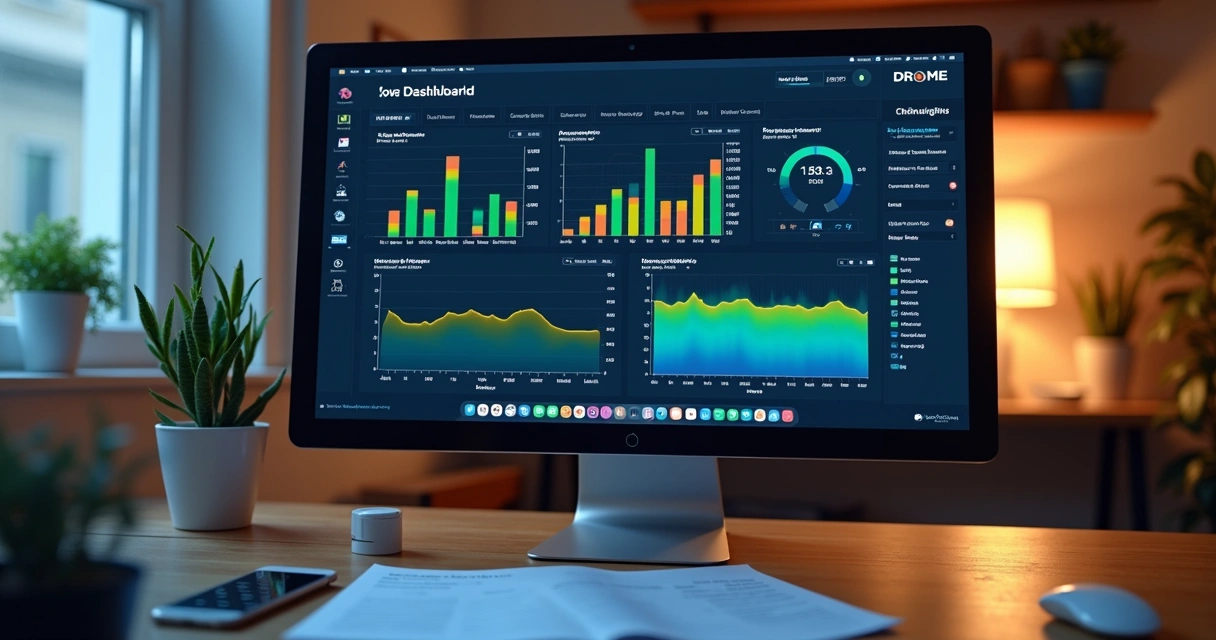
What common mistakes do I avoid when validating sensors?
- Trusting only factory adjustment, without periodic follow-up.
- Ignoring redundancy. I always recommend backup sensors at critical points.
- Leaving sensors out of digital maintenance plans.
- Using incompatible platforms that don't allow hardware-software integration.
- Underestimating the role of data history. It's fundamental in audits, as I show with examples of DROME reports.
I usually point to articles that go a step further, such as this one on telemetry and IoT monitoring, or even broader lists on IoT in practice.
Competitors: are there alternatives?
Of course there are other platforms for IoT sensor validation and monitoring. I've tested some, such as foreign and domestic solutions. Many offer the basics, but fall short in report automation, calibration integration, and predictive analysis. In DROME, I noticed sophistication in alerts, risk analysis, and the ease with which audit programs are executed. Practical experience shows: in DROME, everything is more integrated, secure, and intuitive. Competitors, despite trying to keep up, are limited to more superficial features.
Quick daily checklist
- Sensor documentation updated and digitized;
- Automatic scheduling of calibration and regular cross-verification;
- Testing simulating different scenarios (failures, climate spikes, outages);
- 24/7 connected monitoring with automatic alerts;
- Auditable reports easy to export;
- Digital security guaranteed with constant updates;
- Automated incident response workflow.
Conclusion: how to ensure compliance for 2026?
I share this checklist because I saw in practice that validating IoT sensors goes beyond meeting standards; it involves real commitment to safety and traceability. DROME showed me that you can simplify and automate each part of this process, reducing errors and optimizing resources. If any doubt remains, I recommend looking at the IoT environment audit checklist to close the gaps.
Compliance is about trust: yours, your client's, and society's.
If you're tired of rework or audit scares, make your practical checklist and count on those who are truly prepared. Get to know DROME and transform IoT sensor validation in 2026 into something simple and secure. Your inventory (and your peace of mind) will thank you.