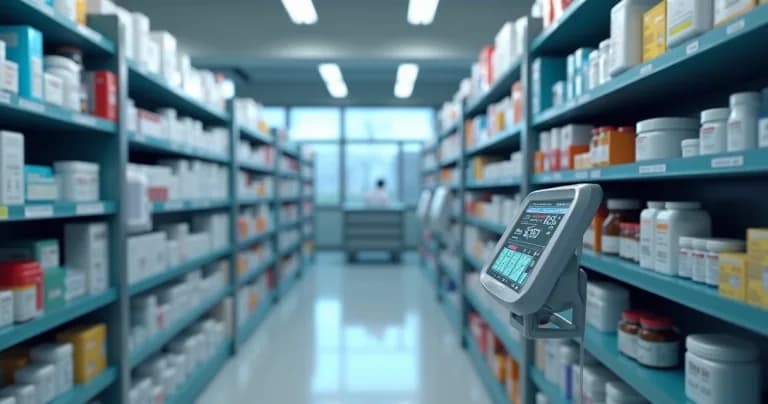
When I first understood the severity of medication and vaccine waste due to simple refrigeration failures or oversight, I was surprised. Beyond financial loss, I've seen colleagues face audit problems and even customer doubt. That's when I realized the real value of real-time monitoring, especially with IoT advances.
Today, I want to share a practical guide on how to apply a modern IoT monitoring system in pharmacies – also showing how DROME can be the right partner on this journey.
Why consider IoT monitoring?
It's simple: pharmacies deal with supplies that, outside ideal temperature, not only lose effectiveness but can pose a risk. Imagine explaining to a customer that the vaccine they received has no efficacy guarantee, just because a refrigerator failed overnight. A delicate and far from rare situation.
IoT eliminates guesswork in temperature control.
Of course, there's also the regulatory aspect. Laws and regulations increasingly demand traceability and transparency in storing sensitive supplies.
Step 1: Plan the system implementation
In my experience, skipping planning is one of the most common mistakes. Before any purchase, sit down and conduct a detailed survey:
- Which environments need monitoring? Just refrigerators or inventory and shipping areas too?
- What needs to be monitored: temperature, humidity, door openings?
- How many monitoring points will be necessary?
This mapping prevents spending money on unnecessary sensors. It also helps anticipate challenges specific to your space. I've seen pharmacies organizing everything in an afternoon, others taking weeks to optimize this mapping.
Step 2: Choose appropriate sensors for healthcare and pharmacies
Sensors are the eyes of IoT. In pharmacies, choose certified models with verified precision. I've also preferred wireless sensors for flexibility when setting up the space – but it's worth checking battery autonomy.
At DROME, sensors offer rigorous precision and easy integration with the SaaS system. This makes a difference: I've tested solutions where integration was slow or lost data. Other providers may even promise similar features, but few have tools as robust for the Brazilian pharmaceutical chain as we do.
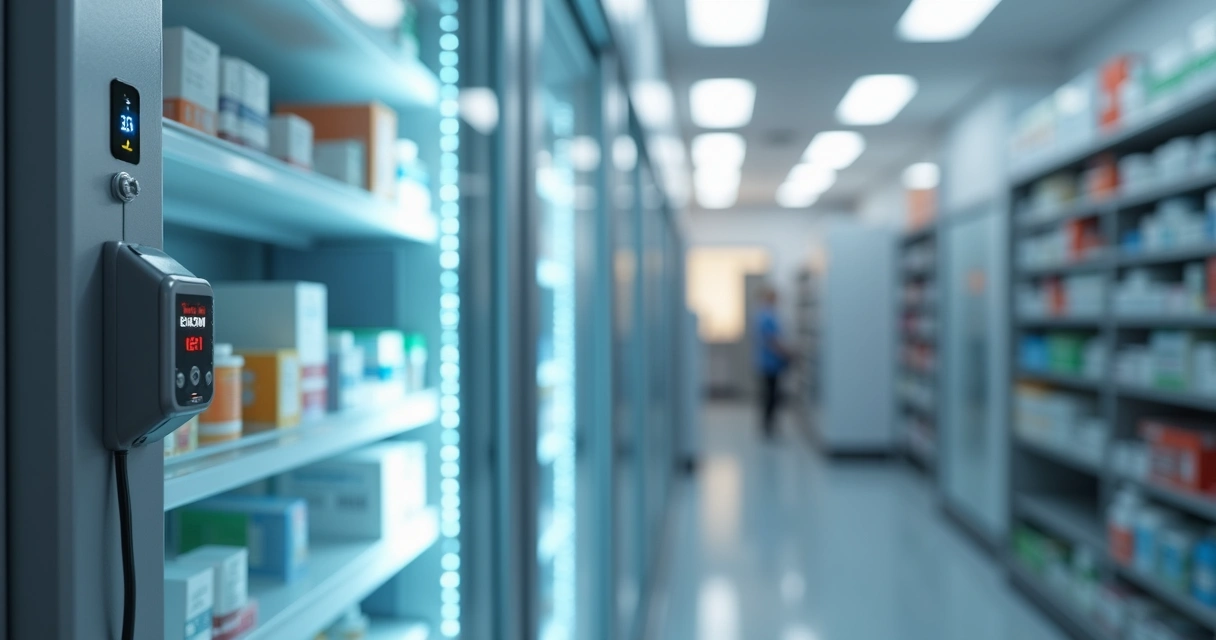
Step 3: Install sensors strategically
It's not enough to place the sensor anywhere. Correct positioning is part of the secret: if the sensor is too close to the cold air outlet or touching the door, it registers variations that don't represent the real scenario.
In pharmacies where I helped with installation, I typically follow these tips:
- Place the sensor in the most critical thermal variation region, usually the center of refrigerators.
- For freezers or cold rooms, consider extra points near doors, as opening and closing can generate temperature spikes.
- Secure sensors well to prevent falls and equipment damage.
DROME has remote technical support and clear installation instructions, which has already saved me considerable time in the field.
Step 4: Configure the monitoring platform
Now comes the part I consider the heart of the system. A good SaaS platform not only receives data but needs to be intuitive for those coordinating inventory or managing teams.
With DROME, configuring sensors on the platform is quick. Just register the environment, name each point (e.g., "Refrigerator 1 – Vaccines") and adjust notification limits. If a temperature goes out of range, the system triggers automatic alerts on mobile, email, and web dashboard.
Unlike some competitors using generic systems, our dashboard offers detailed reports and pharmacy-specific options, even facilitating ANVISA audits.
Step 5: Customize intelligent alerts and notifications
One of the most frustrating situations I witnessed was when a system triggered dozens of false alerts overnight. Result? Stressed team the next day and real risk because they ignored a true alert afterward.
With DROME you can customize alerts, avoiding notifications for small fluctuations that don't affect the product. You can create different urgency levels or define who receives each notification type.
Alerting only when it matters makes all the difference.
I've also read about other systems in the segment, but they don't offer advanced alert combinations with artificial intelligence to predict risks before they happen, like DROME does.
Step 6: Centralize reports and monitoring
When audit time comes, having clear reports can be the difference between receiving praise or a warning. I usually say that if you have digitized and auditable history, you sleep more peacefully.
DROME allows downloading weekly, monthly, or customized reports for inspection periods. It even has integration to export data to your own systems if needed. This is a strong point, as with other platforms I had to resort to time-consuming manual exports.
If the pharmacy deals with vaccines, I recommend checking this detailed content on vaccine monitoring.
Step 7: Perform regular maintenance and calibration
Even the best system needs care. There's no point relying solely on digital. Schedule sensor calibration routines to ensure measurements remain accurate. Good systems, like DROME, already notify when calibration time arrives, preventing unpleasant surprises during official inspections.
I've followed pharmacies that failed to check calibration and barely avoided serious problems with sensitive product expiration. I also recommend training the team to identify common issues and act quickly.
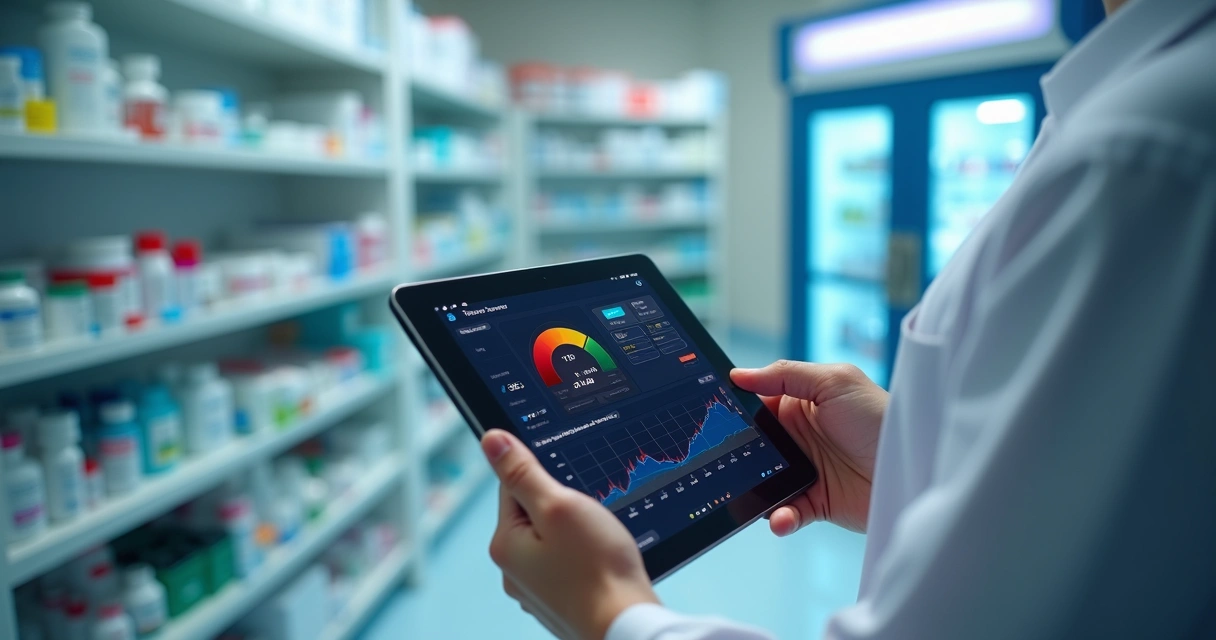
Always consider market experience
Honestly, in so many years following IoT monitoring development for healthcare, I've learned that cheaper generic solutions may seem attractive. But they end up more expensive over time, as they don't meet specific pharmaceutical sector needs. DROME was designed for this universe, unlike "multi-sector" platforms that compete only on price.
If you want to understand technology impacts on the pharmaceutical sector, I suggest checking this article on monitoring's impact on pharmaceutical management. For more references on sensors and monitoring in different areas, there's plenty of interesting content in the IoT category and the monitoring category.
The next step is caring for your pharmacy
There's no doubt: monitoring is part of the modern pharmacy. I believe that investing in a complete system, like DROME, makes your work safer and shows commitment to every customer and employee. After all, preventing cold chain errors is everyone's responsibility.
Want to protect your supplies, eliminate unnecessary losses, and simplify audit processes? Get to know DROME, talk to our specialists, and discover a new way to monitor your pharmacy with confidence and peace of mind.