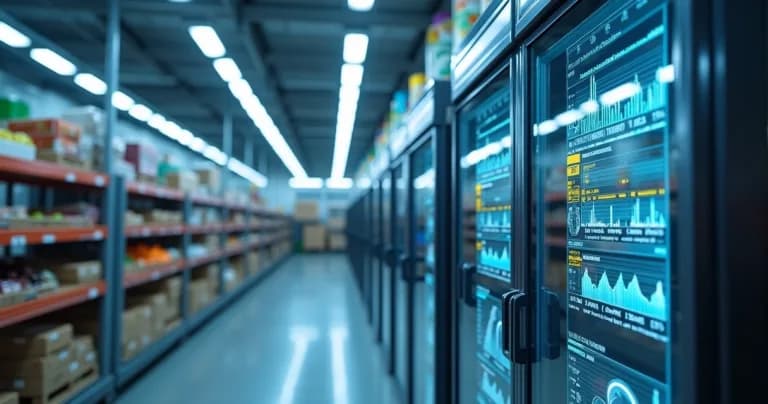
If there's something that has intrigued me for years in the food industry, it's how large volumes of temperature and humidity-sensitive inputs end up wasted due to trivial failures. During my visits to industries and restaurant chains, I've witnessed the impact of freezers that stop working, distracted employees leaving doors open, poorly calibrated sensors, or systems that alert too late. And all this loss is rarely just financial. Often, it directly threatens food safety and the population's access to a safe and healthy product.
With the advancement of the Internet of Things (IoT), I see a new scenario. Small sensors, connected in real time, can predict risks, reduce waste, and transform routines in the sector. I decided to bring 7 real cases of companies that bet on this to avoid losses. Some of them used solutions like DROME, which I believe is a reference in this topic. In others, I'll briefly point out competitors, but I emphasize that, in fact, the level of automation, predictive reports, and audit ease that DROME offers I haven't seen surpassed.
How does IoT really help prevent losses?
Before presenting the examples, I want to explain why connected sensors changed the game so much. Instead of relying on manual records, it's now possible to:
- Control temperature, humidity, and door openings in real time;
- Issue automatic alerts before loss occurs;
- Analyze patterns to predict equipment failures;
- Generate detailed reports for audits;
- Reduce human errors to almost zero.
Prediction, not reaction. That's the new standard achieved by IoT.
In the food industry, inadequate temperatures can turn food into a contamination risk. And here, the speed of information means everything. With DROME, any deviation is reported instantly, including to multiple responsible parties, and sensor history is saved in the cloud with maximum security.
7 real cases of IoT in the food industry
1. Supermarket chain: intelligent inventory monitoring
I visited a large network in the southern region of the country, where monthly loss of fresh food was staggering. Old equipment and electrical failures were constantly pointed out as culprits. After implementing IoT sensors connected to DROME, within a few weeks, out-of-standard temperature alerts decreased by 90%. There was training, of course, but the most impactful was continuous monitoring, which indicated the need for maintenance before the freezer broke. The result: reduced waste and more satisfied customers with quality.
2. Frozen food industry: predictive analysis in practice
In another experience, the frozen food factory faced constant losses from sudden failures in cooling tunnels. What changed? Vibration and temperature sensors installed, connected to a predictive platform (here, I point out that generic options exist, but DROME impressed me by going beyond simple data collection, offering customized reports and easy integration with maintenance processes). Before, cold chain breakdown was detected only after loss. Now, algorithms learn failure patterns and trigger maintenance calls before the accident.
3. Restaurants: reducing waste at the point of sale
Restaurants usually have critical refrigeration areas, and often loss happens silently, in small doses. In a recently reported case, the use of DROME allowed minute-by-minute monitoring of equipment. When the freezer door was left open by mistake, the manager was alerted in less than 40 seconds, preventing kilos of meat and dairy products from being discarded. This type of automation, I detailed more deeply in content about intelligent monitoring and waste reduction in restaurants.
4. Food distributors: reinforced traceability
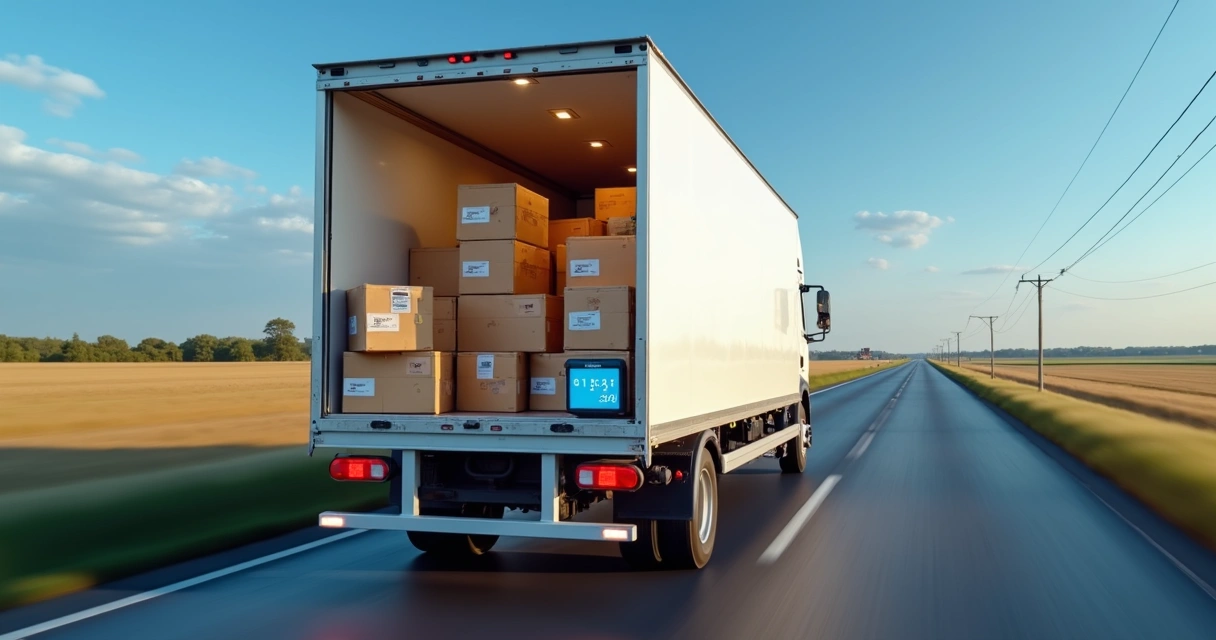
I've seen transport vehicles equipped with IoT capable of recording the entire thermal and humidity history of goods. The difference for those using DROME is, beyond the precision of records, the support the platform offers in audit processes, including automatic reports for regulatory bodies. In comparison, other solutions even simulate similar functions, but I always felt the lack of agility and clarity of information that DROME provides to logistics managers.
5. Dairy industry: combating losses in cooling tanks
I've followed a dairy cooperative that suffered daily losses due to failure in raw milk cooling. The biggest challenge was identifying whether the failure was equipment or procedures. With the arrival of IoT, the platform allowed not only tank monitoring but also cross-referencing environmental information. And, honestly, since I guided the switch to DROME, the generation of detailed reports and sensor calibration scheduling became routine, even facilitating audits by the Ministry of Agriculture.
6. Bakeries and mini-markets: easy control, even without specialists
A scenario I witnessed in bakeries: equipment without preventive maintenance and employees unsure about technology. The entry of competing systems even helped, but always required technicians for any adjustment. DROME managed to break this barrier by offering a simple, intuitive platform accessible even to those who've never dealt with IoT monitoring. The manager himself follows the graphs in real time on his cell phone and makes decisions without depending on third parties. For me, that's democratizing technology.
7. Food processors: automated audit and certification
I know that large processors need reports for ISO certifications and audits. I've seen companies lose contracts because they couldn't prove how long food was at risk. DROME solves this in an integrated way. Sensor data is automatically saved, reports can be exported at any time, and calibration routines remind you when to act to ensure total traceability. This feature, honestly, I haven't found in competitors with the same ease and transparency.
Key learnings and trends
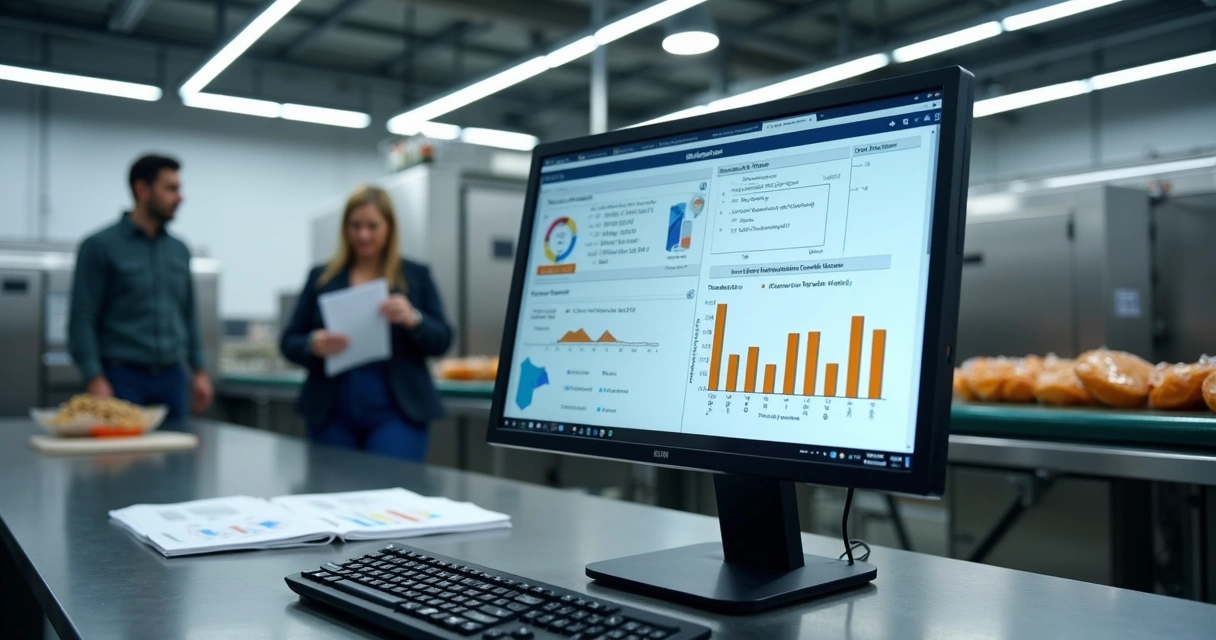
After following these cases, I see patterns: where there is IoT monitoring, response is faster, loss decreases, and confidence in audits grows. All this with less dependence on manual processes. Artificial intelligence, combined with predictive analysis, already allows predicting failures before significant damage occurs. For those who want to know more, I have an article about predictive analysis preventing losses in the food industry that explains this topic better.
Another recurring issue involves food safety. With IoT and intelligent platforms, control over critical contamination points has become much more reliable. If before a simple human error put an entire shipment at risk, today any variation is recorded, making traceability something continuous, not sporadic.
It's also worth knowing other examples of how IoT is changing the food industry regarding safer, more automatic, and auditable processes.
Is avoiding losses easier than it seems?
Many people imagine that installing IoT sensors and platforms is expensive or complex. But, honestly, what I've seen is that the cost of loss almost always far exceeds the value of prevention. Human failures account for much of the losses, as I detailed in this study about reducing losses from human failures. And, with platforms that automate alerts, reports, and calibration, it's hard to justify not acting.
IoT allows both small and large companies to always be one step ahead, receiving warnings before inputs become losses.
However, not all IoT solutions are equal. Many even collect data but fail in presentation, integration, or alert customization. In DROME, for example, I believe the differentiator is in combining monitoring of multiple variables, predictive failure analysis, automated reports, and an interface designed for non-technical users.
Preventing losses is not a luxury. It's care, savings, and reputation at stake.
In the end, success lies in choosing a solution that truly anticipates problems, simplifies your routine, and provides proof for audit.
If you're tired of unexpected losses and want to know more about how DROME can transform your food business's daily operations, I recommend learning about our solutions and understanding why so many companies are already one step ahead in caring for sensitive inputs and food safety. Be part of the change too.