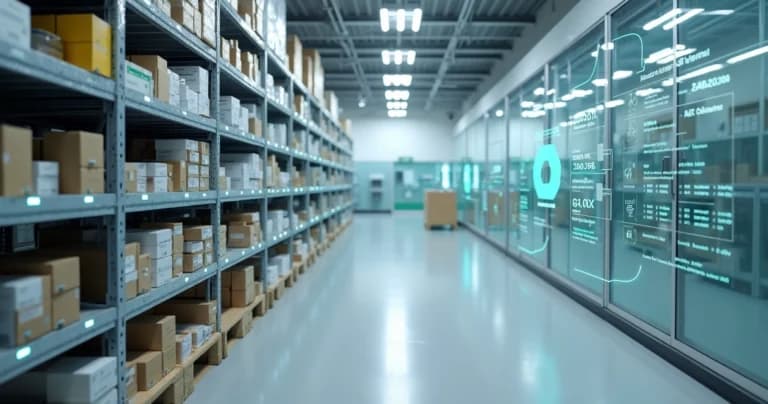
When I think about the importance of environmental control, I'm reminded of the countless losses caused by failures in the storage of sensitive goods. Medications, vaccines, and food depend on exact conditions to maintain their quality and safety. And that's where the fundamental role of humidity and temperature monitoring comes in, especially when combined with intelligent technology, like what we've developed at DROME.
The delicate relationship between humidity, temperature, and sensitive supplies
I've witnessed cases where medications completely lost their efficacy due to exposure to environments outside recommended standards. A simple increase in humidity can compromise vaccines and even cause mold in food, putting public health at risk. The truth is that medications and vaccines are fragile products, and every deviation in environmental conditions can generate million-dollar waste.
Reports from the International Air Transport Association confirm that 20% of temperature-sensitive medications are damaged during transport, representing global losses exceeding $2.5 billion per year. In Brazil, according to the World Health Organization, errors in the handling and storage of supplies are among the causes of thousands of deaths.
Small failures, major waste.
IoT technology in environmental monitoring
With the advancement of smart sensors, it became easier to detect trends and alert problems quickly. Solutions that leverage cutting-edge technology, such as the Internet of Things (IoT), have revolutionized the landscape. It's no exaggeration to say that we've never prevented as much waste as we do now, with sensors that update readings remotely and platforms that interpret data in real time.
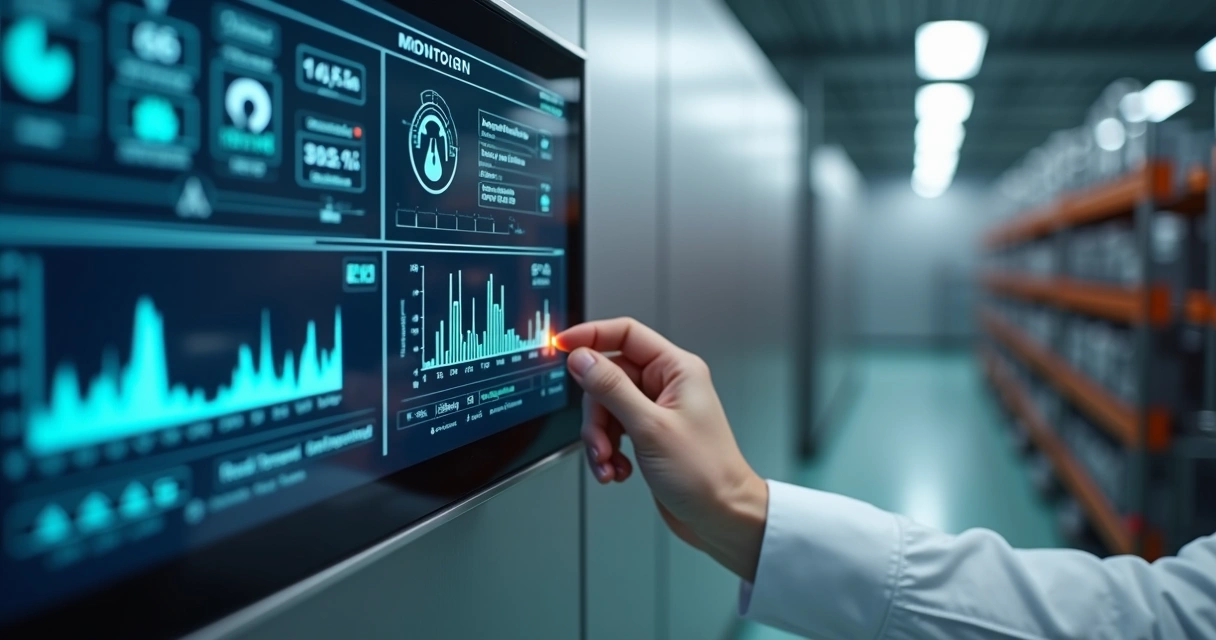
At DROME, I implemented a system that monitors multiple environmental variables, anticipates failures, and provides instant alerts. This automation drastically reduces the risk of losing critical supplies and also supports audits with comprehensive reports.
Why can't compliance with regulations be overlooked?
Anyone working in healthcare already knows: ANVISA requires strict control of environmental conditions in hospitals, clinics, and laboratories. Inspections demand evidence, and a reliable history can be decisive for the facility's operation. The same applies to the food industry, where international standards require transparency in measurements.
A robust system not only simplifies the generation of automatic reports but also brings peace of mind during audits, whether for hospital sectors, laboratories (specific monitoring in laboratories) or industries.
Compliance preserves lives and reputations.
Advantages of continuous monitoring for decision-making
I've seen many companies that only seek solutions when facing losses. But continuous monitoring allows managers to act before the problem happens, avoiding production shutdowns and even product recalls. The main advantages observed are:
- Real-time identification of failure trends
- Proactive reduction of supply waste
- Increased shelf life of stored products
- Reduced health and safety risks
- Quick and easy generation of auditable reports
- Support for agile decision-making
An interesting point is that automated monitoring, compared with old methods such as manual measurements or hand-filled charts, has proven to be much more reliable and economical in the long run.
Criteria for selecting a good environmental control system
Experience has taught me to be careful in choosing these systems. Not all on the market offer the same level of reliability, flexibility, and ease of use. When considering a solution, I recommend analyzing:
- Accuracy of installed sensors
- Ability to monitor multiple environments simultaneously
- Real-time alerts via email, SMS, or app
- Data history and export for reports
- Integration with sensor calibration and maintenance processes
- Artificial intelligence for predictive failure analysis
- Intuitive interface and efficient technical support
I've already evaluated other companies in the sector. Although some offer interesting solutions, I noticed limitations. The biggest one is the absence of real failure prediction and robust automated reports, which differentiates what we do at DROME. Our focus has always been to anticipate problems—not just record them after they occur. This gives us a step ahead in reliability and prevention.
Integration between humidity control and temperature management
I'm frequently asked if it's enough to monitor only temperature. The answer is simple: no. Temperature and humidity interact all the time, influencing each other and affecting the stability of supplies. Neglecting one of these factors can open the door to serious problems, such as fungal proliferation in medicines, deterioration of vaccines, or reduced shelf life of food. That's why integrated systems provide the complete and accurate picture for safe decision-making.
For example, in vaccine storage environments, if temperature is correct but humidity is out of standard, product stability is threatened. In the food sector, humidity variations promote bacterial growth even within safe thermal ranges. Reports from the FAO show that about 14% of food is lost before it even reaches retail, a scenario worsened by poor environmental conditions.
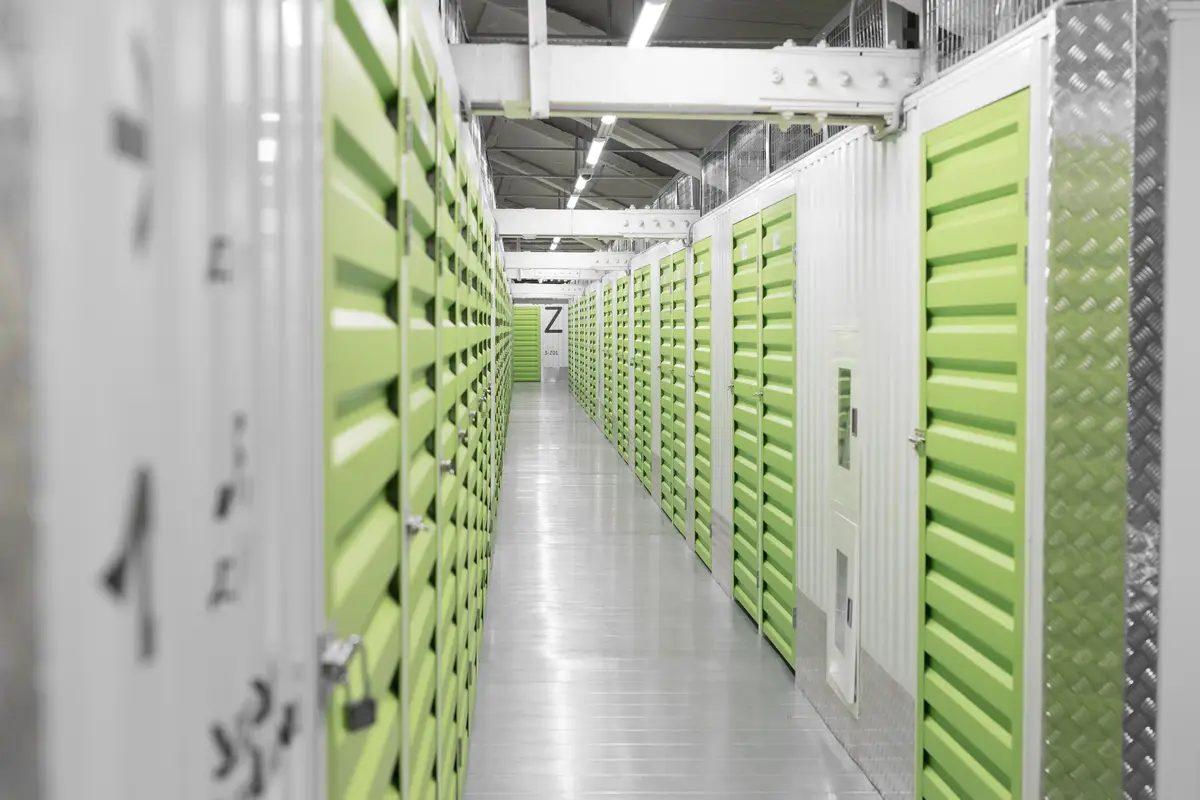
Practical applications: hospitals, laboratories, and industry in focus
These concepts come off the page and come to life in real environments. In my daily work, I follow the application of these systems in different sectors:
- Hospital environments: In hospitals and clinics, controlling temperature and humidity in the pharmacy or vaccine storage is a basic ANVISA requirement. This prevents losses and protects the patient (see more about humidity monitoring in hospitals).
- Laboratories: For handling reagents and research or diagnostic supplies, all environmental control is fundamental, as it directly impacts exam accuracy. There are best practices and regulations that require this care (as I discuss in details for laboratories).
- Food sector: The cold chain is extremely dependent on this type of control. On the DROME website, an article details how environmental control protects food from production to distribution.
- Data centers and technological environments: High-performance electronic equipment needs to operate under well-controlled conditions to avoid failures (a topic I also address in monitoring in data centers).
- Transport of medications and vaccines: Continuous monitoring ensures that supplies travel throughout the country without risk of loss of efficacy. To see how we protect these items during logistics, I explained more in cold chain monitoring.
Studies from the UN reinforce that Latin America and the Caribbean account for 20% of global food waste between post-harvest and retail, showing that technological solutions are no longer a luxury but a necessity for the entire production chain.
Our vision: prevention is smarter than remediation
If I could advise any manager or healthcare professional, I would say without hesitation: invest in technology and transform environmental control into a strategic ally. I trust wholeheartedly in solutions that offer automatic monitoring, detailed history, and intelligence capable of anticipating problems, values I apply daily at DROME.
Other market providers may deliver basic platforms, but my experience shows that only predictive monitoring and agile report generation truly change the level of environmental management. In the end, prevention saves money, time, and even prevents irreversible damage to health or company reputation.
Conclusion
In the current scenario, it's not enough to just meet legal requirements or reduce financial losses: careful control of temperature and humidity is a commitment to the health, safety, and credibility of your business. Technology has brought tools capable of monitoring, predicting failures, and automating reports, revolutionizing how we care for sensitive supplies.
If you'd like to learn about a complete solution, designed to anticipate failures, ensure compliance, and enable a true leap in quality, I recommend learning more about the DROME platform. Protecting your supplies is easy, safe, and intelligent. Discover how to transform your environmental management right now!
Frequently Asked Questions
What is humidity monitoring?
Humidity monitoring is the constant tracking of humidity levels in environments where stability is necessary to preserve supplies, equipment, and even local structures. This can occur in pharmacies, laboratories, data centers, and the food industry, protecting against losses and damage caused by excessive or insufficient humidity.
How does humidity control work?
Specific sensors are installed in environments and send information in real time to a central system. When humidity deviates from predefined limits, the system generates alerts so corrective actions can be taken. In a complete solution, this process is automatic, accurate, and also provides reports and historical analyses, as in the DROME platform.
Why is monitoring humidity important?
Monitoring humidity prevents deterioration of sensitive products, prevents excessive energy consumption, and reduces health risks. Studies cited in this article show that inefficient control can cause billion-dollar losses and even compromise human life, highlighting the need for automatic and reliable systems.
What equipment monitors temperature and humidity?
The main equipment are high-precision digital sensors, data loggers, environmental controllers connected via IoT, and software that interprets collected data. In a complete implementation, like at DROME, these devices work integrated, bringing efficiency and reliability to any sector.
How much does a humidity monitoring system cost?
The investment varies according to the size of the environment, number of monitored points, and sophistication of the system. More complete solutions, capable of generating automated reports and predicting failures, may seem more expensive initially, but pay for themselves through reduced losses and gains in safety and compliance, like what we offer at DROME.
{
"@context": "https://schema.org",
"@type": "FAQPage",
"mainEntity": [
{
"@type": "Question",
"name": "What is humidity monitoring?",
"acceptedAnswer": {
"@type": "Answer",
"text": "Humidity monitoring is the constant tracking of humidity levels in environments where stability is necessary to preserve supplies, equipment, and even local structures. This can occur in pharmacies, laboratories, data centers, and the food industry, protecting against losses and damage caused by excessive or insufficient humidity."
}
},
{
"@type": "Question",
"name": "How does humidity control work?",
"acceptedAnswer": {
"@type": "Answer",
"text": "Specific sensors are installed in environments and send information in real time to a central system. When humidity deviates from predefined limits, the system generates alerts so corrective actions can be taken. In a complete solution, this process is automatic, accurate, and also provides reports and historical analyses, as in the DROME platform."
}
},
{
"@type": "Question",
"name": "Why is monitoring humidity important?",
"acceptedAnswer": {
"@type": "Answer",
"text": "Monitoring humidity prevents deterioration of sensitive products, prevents excessive energy consumption, and reduces health risks. Studies cited in this article show that inefficient control can cause billion-dollar losses and even compromise human life, highlighting the need for automatic and reliable systems."
}
},
{
"@type": "Question",
"name": "What equipment monitors temperature and humidity?",
"acceptedAnswer": {
"@type": "Answer",
"text": "The main equipment are high-precision digital sensors, data loggers, environmental controllers connected via IoT, and software that interprets collected data. In a complete implementation, like at DROME, these devices work integrated, bringing efficiency and reliability to any sector."
}
},
{
"@type": "Question",
"name": "How much does a humidity monitoring system cost?",
"acceptedAnswer": {
"@type": "Answer",
"text": "The investment varies according to the size of the environment, number of monitored points, and sophistication of the system. More complete solutions, capable of generating automated reports and predicting failures, may seem more expensive initially, but pay for themselves through reduced losses and gains in safety and compliance, like what we offer at DROME."
}
}
]
}