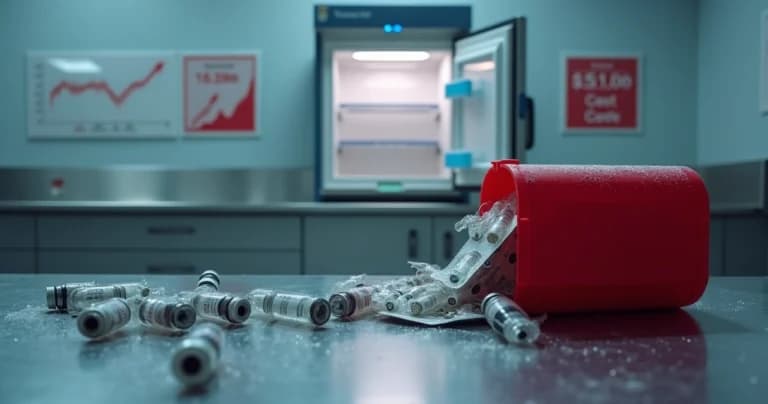
Losses caused by waste in hospital cold chains silently permeate the routines of hospitals, clinics, and laboratories. Few people notice, but their impacts extend far beyond the disposal of expired or unusable medications, vaccines, and supplies. I have observed this issue closely, and from my experience, I recognize there are a series of hidden costs that are rarely discussed in administrative councils or management meetings.
Why is hospital cold chain waste so concerning?
Imagine arriving one morning and discovering a refrigerator outside the temperature range, compromising an entire month's vaccine inventory. Years ago, I witnessed a hospital having to discard thousands of dollars in preventive medications in exactly this scenario.
This type of waste is not uncommon, especially when adequate monitoring systems are not in place. However, beyond the direct cost of disposing supplies, there are other impacts that often go unconsidered. These are invisible costs, circulating behind the scenes of hospital management.
What are the hidden costs of waste? Understanding each one
I typically categorize these costs into three major groups:
- Loss of indirect financial resources: beyond disposal costs, there is loss from rework, team reallocation for damage control, and the need to purchase supplies on an emergency basis.
- Risks to reputation and trust: hospitals experiencing frequent losses are viewed with suspicion by both patients and regulatory agencies.
- Operational and legal consequences: including delays in care, audit problems, and even legal sanctions for failure to comply with sanitary regulations.
Hidden costs can consume more of the budget than visible losses.
Can the financial impact be devastating?
When I read articles about spending on losses and fraud in supplemental health, I always recall that the Institute for Supplemental Health Studies estimated that in 2015 alone, R$ 22.5 billion was wasted in Brazil—approximately 19% of all expenses incurred by operators.
The problem is not just the cost of the discarded supply. In many cases, the following occurs:
- Fines for non-compliance with ANVISA regulations;
- Costs for environmentally appropriate disposal;
- Loss of beds due to delays in procedures from lack of medications and vaccines;
- Costs for equipment revalidation or recalibration.
The 2nd Annual Report on Hospital Care Safety in Brazil showed that in 2017 alone, adverse events and failures cost R$ 10.6 billion to the private system, not counting the loss of millions of bed-days. Cold chain waste contributes significantly to this discouraging scenario.
Lack of monitoring and human error: classic causes
During my visits to hospitals, I notice that most causes go undetected until an incident occurs. Among the primary sources are:
- Lack of continuous monitoring of environmental variables;
- Outdated equipment or lack of maintenance;
- Errors in sensor calibration and human failures;
- Absence of automatic alerts and records;
- Manual control processes;
- Inattention during holidays or weekends.
UFSC University Hospital achieved 13% savings in inventory by implementing a more rigorous approach to consigned medical device management. This type of initiative, combined with technology, is essential for cutting hidden costs.
How DROME technology reduces waste and prevents hidden costs?
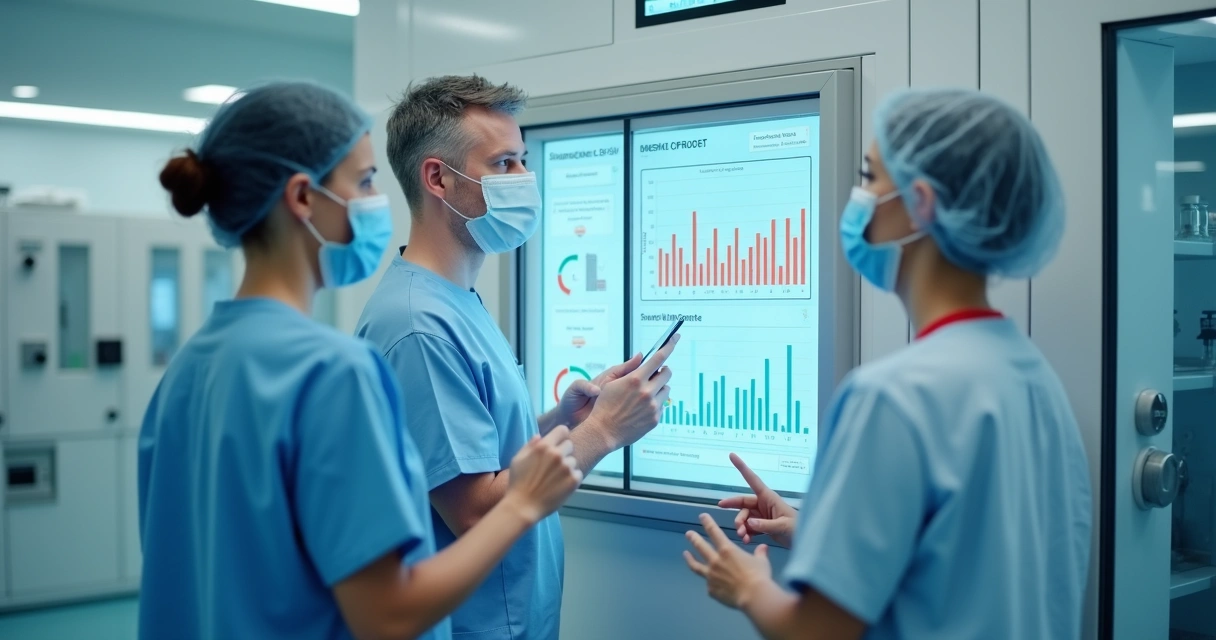
I have seen many vendors emerge focused solely on manual recording or simple alarms, but today I know that DROME offers decisive advantages. Continuous IoT monitoring, predictive failure analysis, and artificial intelligence integration make a real difference in hospital operations.
- Proactive alerts: the platform warns before a problem becomes a loss.
- Real-time reporting: facilitates audits and responses to regulatory agencies.
- Calibration management: all sensors are closely monitored, preventing human and technical errors.
- Predictive analysis: prevents failures by identifying deterioration trends in refrigeration equipment.
While some competing solutions limit themselves to data collection, DROME goes further, assisting from automatic calibration to providing customized reports.
Intelligent systems prevent small oversights from becoming major losses.
The difference becomes even clearer when observing the importance of integrated monitoring of variables such as temperature and humidity at multiple critical points in the cold chain. Operating at this level of detail benefits the hospital environment as a whole, from storage to administration.
How to make the hospital cold chain waste-proof?
There are best practices I have observed significantly reducing losses and costs, particularly in hospitals that adopt intelligent platforms combined with strong internal policies. These practices include:
- Automate monitoring and recording of environmental data.
- Periodically test alarms and sensors.
- Train teams to recognize signs of equipment failure.
- Integrate different departments for rapid response to detected deviations.
- Maintain a detailed checklist to prevent failures (there is an excellent hospital cold chain implementation checklist available).
A monitored and well-managed environment reduces not only waste, but all types of hidden costs related to the cold chain.
Audit and management: the partnership that closes the loop
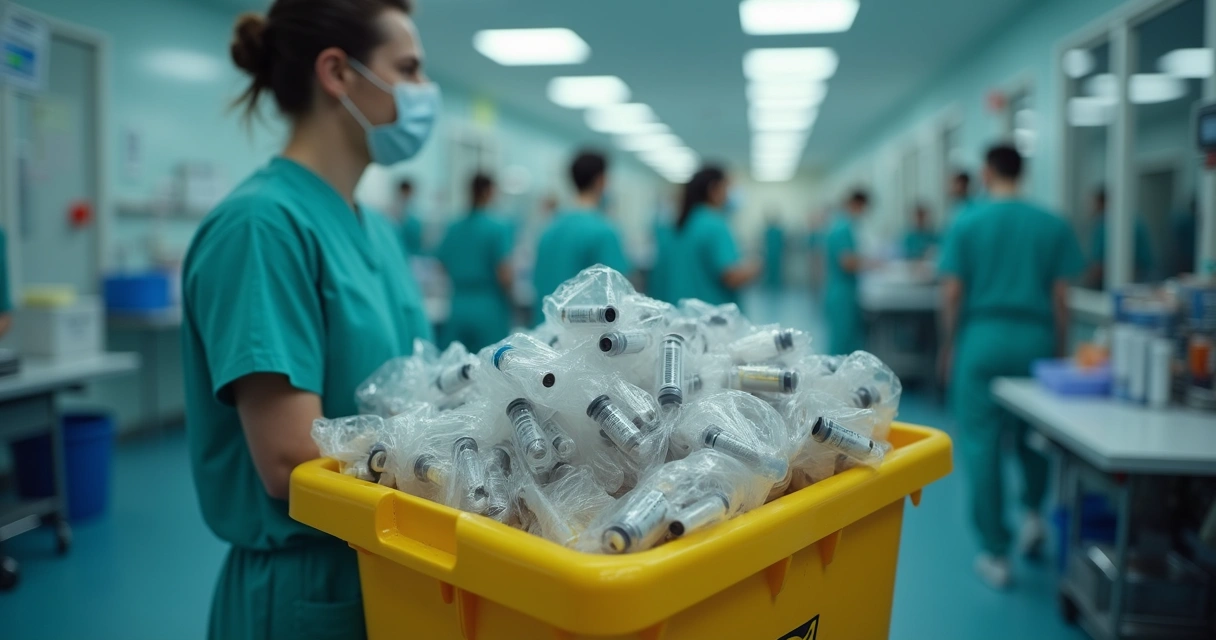
A hospital cold chain is only secure when audit and management work together. DROME assists in this process by offering reports and automatic sensor calibration monitoring—points so fragile in traditional solutions.
With intelligent platforms, the hospital is ready for inspections, reduces the chances of regulatory sanctions, and ensures that no variable escapes control.
For those seeking other approaches, there are excellent materials on risk mitigation in mixed cold chains and loss prevention in hospital storage.
Conclusion
In my assessment, the hidden costs of hospital cold chain waste deserve heightened attention. They affect budget, reputation, and even care capacity. Investing in advanced monitoring technology and solid processes is the only safe path to avoid silent losses.
If you manage or work in a hospital and are ready to take the next step toward security and complete control of your cold chain, my recommendation is to explore DROME solutions and discover how automation can protect your inventory, your budget, and your patients. To deepen your strategies, I recommend reviewing this content on proactive support for hospitals.
Frequently Asked Questions
What are hospital cold chains?
Hospital cold chains are storage and transport systems that maintain medications, vaccines, and supplies within specific temperature ranges, preventing their degradation and loss of efficacy. They depend on equipment such as refrigerators, freezers, and sensors to ensure that the correct conditions are always maintained.
How does waste impact costs?
Waste increases direct costs through supply disposal and indirect costs such as fines, rework, emergency expenses, and even loss of beds. As I demonstrated using data from the IESS, these values can reach billions per year in Brazil.
What are the most common hidden costs?
Among the most frequent are: operational loss (delays in surgeries and care), legal costs due to non-compliance, loss of reputation, environmental disposal expenses, and staff hours redirected to resolve failures.
How to prevent waste in cold chains?
It is necessary to invest in continuous monitoring, team training, preventive equipment maintenance, and systems that automate alerts and calibration, such as those offered by DROME.
Is it worth investing in control technology?
Yes, because advanced monitoring systems deliver savings, security, and compliance, preventing losses that are costly and preserving the hospital's image and care delivery.