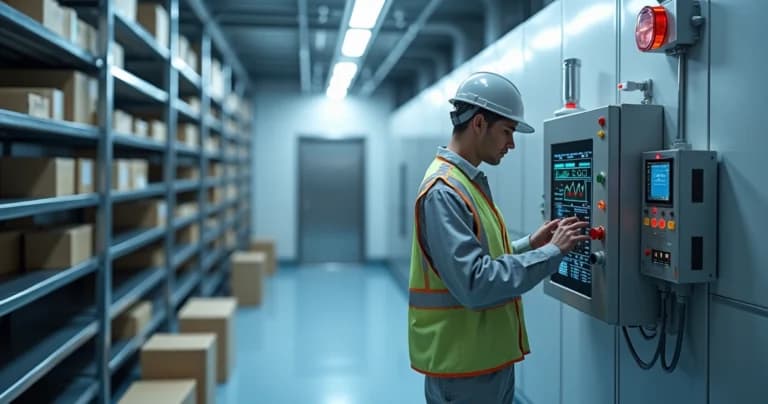
Guide to Redundant Alarm Systems in Cold Storage Chambers
Throughout my 20 years dedicated to writing about technology and industrial processes, one concern has consistently emerged in conversations with healthcare, food, and pharmaceutical professionals: "How can I ensure my sensitive materials stay safe in my cold storage chambers, even if some equipment fails?" My experience shows that the answer necessarily involves redundant alarm systems.
Preventing failures is always better than remedying losses.
In this guide, I'll present what redundant alarm systems are, when they're necessary, which technologies form the foundation of this structure, and what differentiates solutions like DROME from traditional market approaches.
What does it mean to have a redundant alarm system?
In the context of cold storage chambers, a redundant alarm system is not just a "plus." In my opinion, it's the minimum necessary when dealing with sensitive assets, human lives, and substantial losses. In practice, it means having more than one independent means of monitoring and alerting about failures or anomalies, particularly those related to temperature, humidity, door opening, and power failures.
Having this type of solution means:
- Two or more sensors monitoring the same variable, preferably with different technologies;
- Independent communication channels (example: wired connection and cellular backup);
- Backup power sources ensuring operation even during outages;
- Varied alarms: local audible, remote notification (SMS, email, app, call) and, ideally, real-time interaction;
- Intelligent systems that cross-reference data to prevent false positives/negatives.
The primary objective is to ensure that if one component fails, another automatically takes over, preventing gaps in problem detection.
Why is thinking about redundancy so relevant?
I'm not asking you to trust only me. Multiple studies show that human errors, power fluctuations, and sensor failures are part of daily operations for companies. Just recall the major losses that hospitals, laboratories, and restaurants face with vaccines, insulin, blood derivatives, and meats, for example. I've witnessed businesses lose everything by betting on "simple" solutions without backup.
Some common consequences of failures without redundant detection:
- Ineffective and dangerous medications for patients;
- Food products unfit for consumption;
- Contract breaches due to lack of compliance;
- Slow responses that prevent timely corrective actions;
- Reputational, legal, and regulatory damage.
That's why I insist: redundant systems work silently, but they are the last shield between failure and catastrophe.
What types of redundancy are applicable?
In my analysis, I've identified three main levels:
- Measurement redundancy: Two or more sensors per critical point, each independently calibrated. This reduces sensor failure risks.
- Communication redundancy: Information transmission systems that don't depend on the same network or power infrastructure. If Wi-Fi fails, 4G carries alarm transmission.
- Response redundancy: Alerts issued through different channels and directed to different responsibility levels. Automated actions can, for example, activate generators or close doors.
It's worth noting that true safety only exists when redundancies are independent. There's no point in placing two sensors of the same model connected to the same circuit breaker: if power fails, both fail together.
Technologies and resources I recommend
Working with DROME, I notice there's a stark difference when discussing intelligent automation, autonomous sensor integration, and using artificial intelligence for predictive monitoring. Other market players even try to create something similar, but stop at basic monitoring, without advanced analysis or auditability. With DROME, I strive to offer:
- Continuous multivariable monitoring (temperature, humidity, opening, power, etc.);
- Predictive analysis to indicate failure trends, not just alert after the problem has already occurred;
- Comprehensive reports with audit trails and proactive sensor calibration management;
- Real-time alarms, integrated with automation systems that can even act automatically to prevent loss;
- Detailed documentation that simplifies inspections, certifications, and regulatory processes.
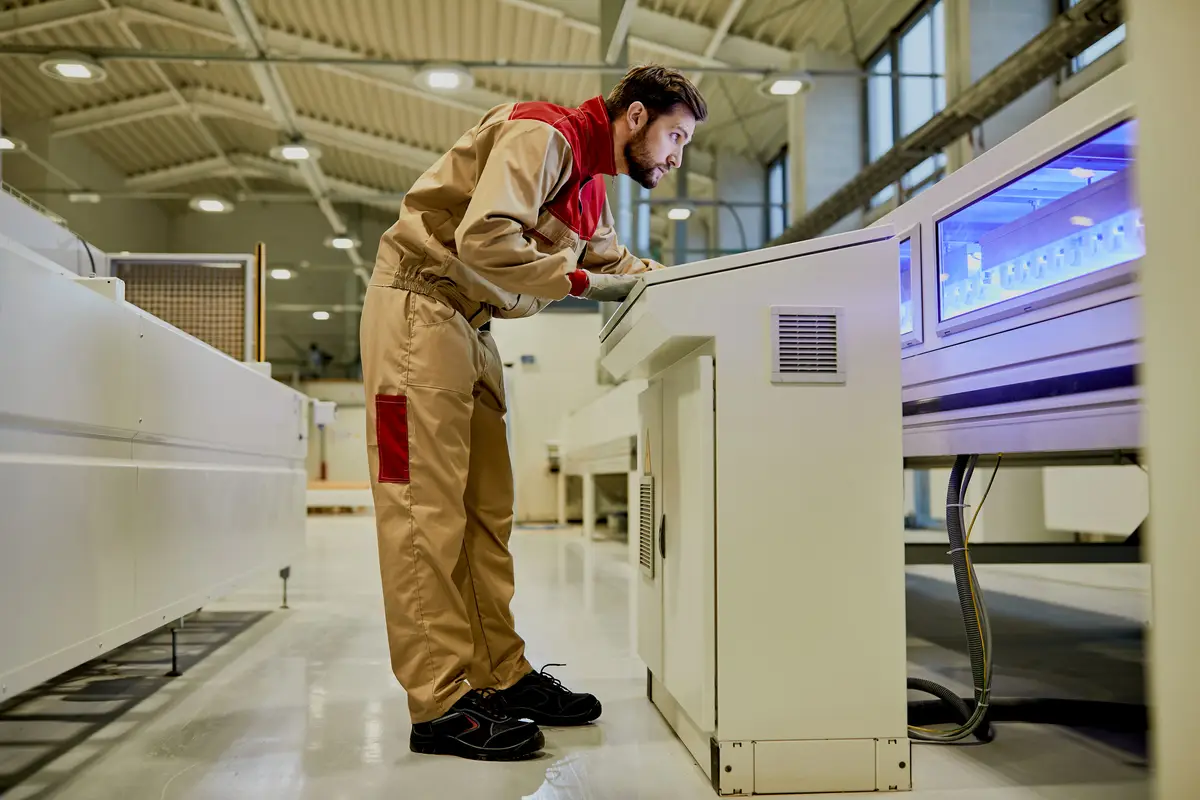
I know there are companies offering alarm systems for cold storage chambers, but in my experience, few can go beyond the basics or guarantee total independence between redundant components. That's what I insist on: choosing a robust solution makes a direct difference in risk and cost control.
The role of predictive analysis in redundancy
I used to see alarms serving only to notify that "something went wrong." That's no longer enough. Currently, I've seen a clear shift: solutions based on artificial intelligence, like DROME, allow predicting failures before they even happen. Thus, I act more preventively, further increasing the safety of materials.
This trend is detailed in this article about artificial intelligence for failure prediction in cold chambers, and shows how historical data and advanced analysis make the difference.
Don't wait for the alarm to sound: anticipate the problem.
Maintenance and calibration to ensure confidence
Redundancy is worthless without maintenance. I've seen cases where backup sensors had expired calibration. You need to automate the tracking of these cycles to ensure high reliability. With DROME, I make sure to include alerts about sensor calibration timing in our reports and platform, making management practical and auditable. Finding autonomous sensors that maintain independent operation gave me confidence, as I indicate in this content about autonomous sensors in refrigeration applications.
A personal tip: maintain well-defined processes for periodic testing of backup alarms and sensors so you're not caught off guard.
How to plan and test contingency?
Content about contingency plans for cold chamber failures proved to me that, more than installing redundant systems, it's vital to define clear reaction routines, such as:
- Training teams in real failure simulations;
- Testing power cuts to validate UPS and backup communication;
- Checking occurrence logs and ensuring everyone received alerts;
- Verifying that automated alarms trigger planned procedures.
In the end, those who rely only on luck or tradition tend to have predictable losses.
Alert automation: technology in the manager's favor
With DROME, we seek to identify personalized notification and automation routes, allowing combination of local, remote alerts and even automations like circuit restart or activation of auxiliary systems. What's interesting about this is the ability to create adaptable sequences based on the criticality of the material or affected sector. For those wanting to delve deeper into the topic, I recommend this material about essential alert automation types for the cold chain.
Competitors even announce automation, but honestly, few deliver real integration with IT systems, databases, and auditable reports like I see in DROME. I've witnessed large industries migrating to our platform precisely because of the need to create redundancy without losing agility or adding unnecessary complexity.
Integrating redundancy with predictive maintenance
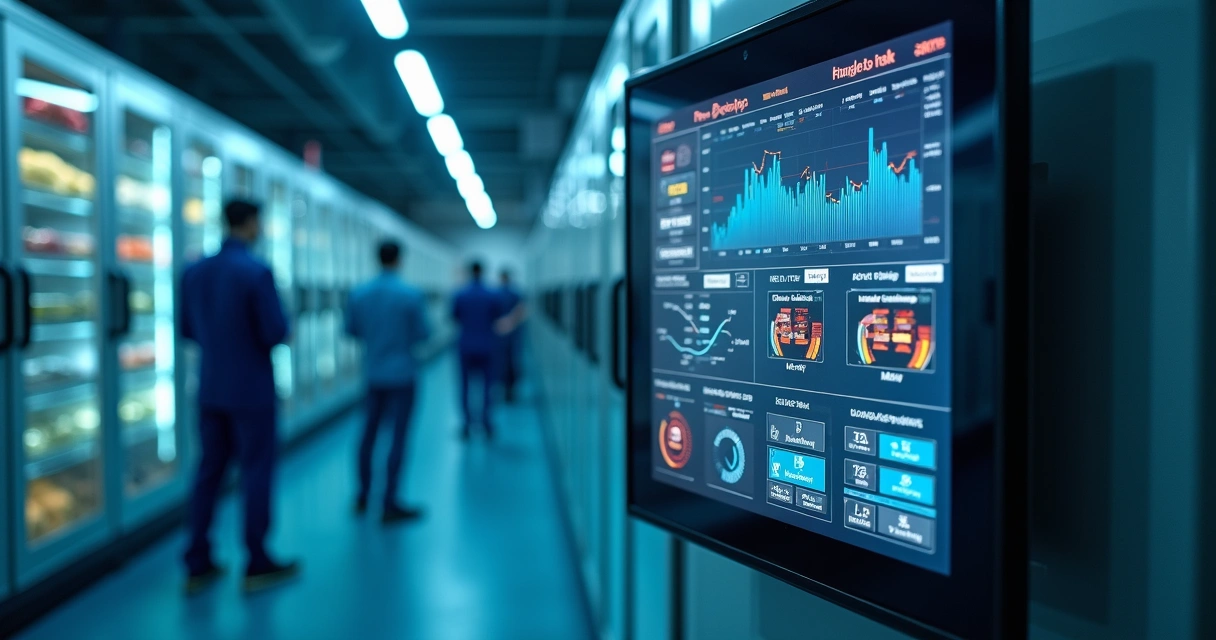
A point I emphasize in client meetings: the redundant system will only be complete if it communicates with your predictive maintenance routine. Thus, potential failures in sensors, alarms, and autonomous operation are tracked before they materialize. I recommend the article about predictive maintenance in cold chambers for those wanting to develop integrated programs of this type.
Conclusion: the next step toward real safety
In my view, there's no room for amateurism given the risks that loss of sensitive materials can cause. Redundancy ceases to be a luxury and becomes a prerequisite in critical environments. DROME exists precisely to help in this scenario, bringing together continuous monitoring, artificial intelligence, and customizable automations in an intuitive and reliable platform.
Invest in prevention. Real safety isn't built alone.
If you see value in protecting your inventory and ensuring compliance, I invite you to learn more about DROME and speak with our team. Your cold chain deserves a solution that delivers real safety, easy management, and innovation.