Throughout my journey helping companies deal with losses and making mistakes (sometimes significant ones), I've noticed that food waste typically stems from simple, repetitive habits. Small daily oversights, multiplied by lack of attention or lack of technology, become major financial losses over time.
Today I'm sharing the 10 habits I've most observed increasing waste when storing food, whether practiced in industrial kitchens, restaurants, or even small operations. I know how much we want to reduce costs, so it's worth reviewing each topic with honesty. After all, no one thinks they make trivial errors… but they're there, hidden in routine.
Making a mistake once might be luck; making it repeatedly becomes routine (and loss).
1. Storing Hot Food Directly in the Refrigerator
In the rush after service, I see many placing hot pans or containers directly in the refrigerator, thinking this way they "cool faster." But the result is the opposite: the equipment loses power, energy consumption increases, there's risk of condensation, and the entire surrounding inventory can fall out of safe temperature range. This accelerates spoilage and can lead to large-scale disposal.
Cooling food to room temperature first is safer.
2. Not Checking Temperature and Humidity
This is the habit I've seen cause the most silent losses. Sensitive foods like dairy, meat, or leafy greens last much less if temperature is fluctuating or too high. Few people actually check the thermometer or know if the equipment is calibrated.
Solutions like intelligent monitoring make a difference. I myself have identified refrigerator failures only because sensors alerted to a temperature spike that no one would notice by eye. And that saved a huge batch of merchandise.
3. Mixing Old and New Products
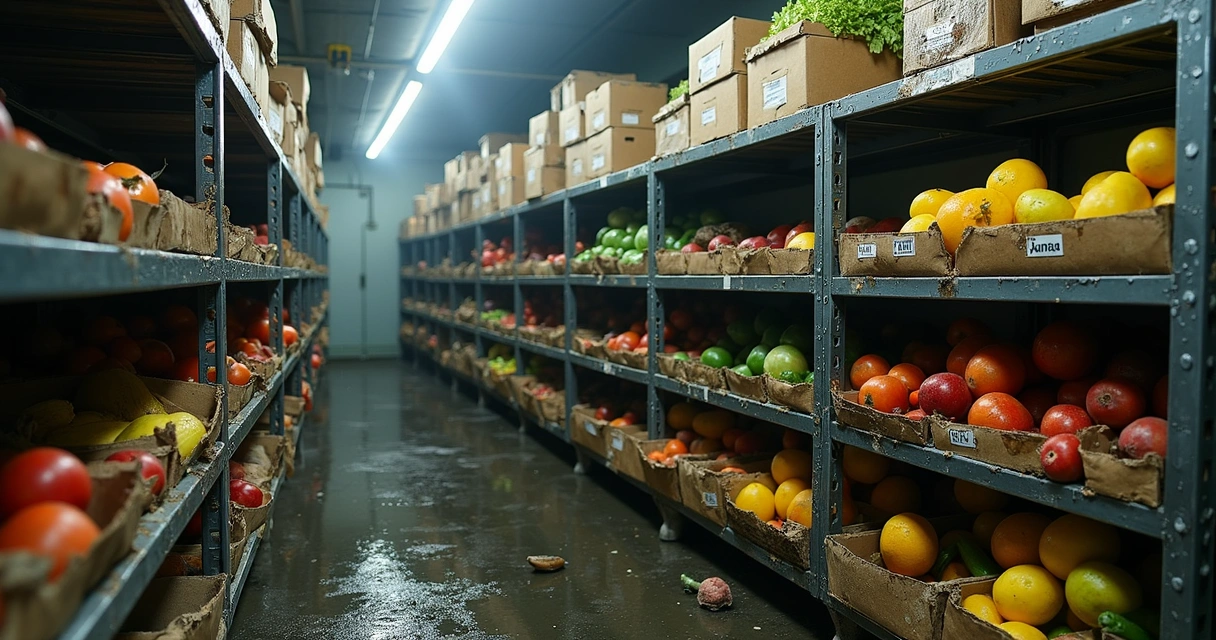
In the rush, it's common to stack new boxes on top of old ones. But this way, old inventory never rotates, spoils first, and ends up in the trash. The FIFO method (first in, first out) is the best way to avoid hidden losses at the back of the shelf.
In DROME, I see detailed reports showing how losses from this error are underestimated. When the company starts truly recording what and when was used, they see the gap.
4. Disregarding Expiration Dates and Manufacturer Specifications
It's cheaper to buy in large quantities, but do you really check expiration dates? Worse still: I've seen places storing special products (like fresh pasta or cold cuts) the same way as traditional products, ignoring manufacturer instructions. This reduces shelf life and increases disposal needs.
5. Disorganization on Shelves and Cold Storage Rooms
I see all kinds of improvisation: boxes stacked haphazardly, crushed packages, and containers without labels. This way, cold air doesn't circulate well, cleaning becomes difficult, and supplies tend to be forgotten in corners, rotting silently. A standard organization pattern and clear labels immediately reduce losses.
6. Lack of Access Control
It may seem excessive, but the more people enter and exit the storage area, the harder it is to know where, when, and how a problem arose. Food can be removed, returned past expiration, or have labels switched. In audits, this is always a point raised. Systems like DROME help with history and control, avoiding doubts and team disputes.
7. Ignoring Early Signs of Equipment Failure
Sometimes strange noises, excessive ice formation, flickering lights… are treated as "normal" refrigeration things. In my consulting work, I've seen cold storage units fail completely shortly after these signs were ignored, requiring disposal of the entire contents. Continuous monitoring and preventive maintenance not only prevent waste but give managers peace of mind.
Unlike other systems, DROME allows predictive failure analysis: it alerts you before the problem becomes a catastrophe, and that makes me trust the technology I propose even more.
8. Leaving Food Without Identification
I've seen companies storing food in generic containers, without labels, water bath, expiration date, or batch information. The result is uncertainty: when was it opened? What recipe is it for? Is it safe to use this sauce today? Not infrequently, everything goes in the trash "to avoid risks." And if an audit comes, it becomes a headache. In DROME, the detailed report generation process simplifies this control.
9. Not Separating Food by Type or Contamination Risk
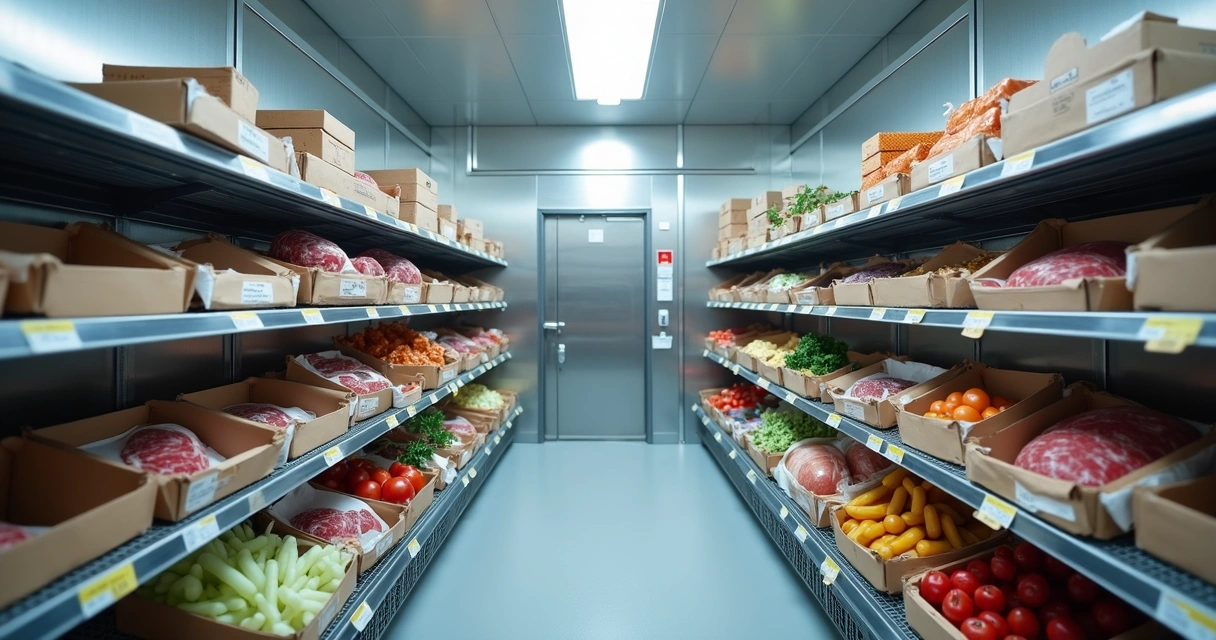
In my daily work, I see many not respecting the separation of meat, produce, grains, and dairy in cold storage. This increases cross-contamination risk, but also accelerates spoilage—some foods release gases that negatively affect others.
To learn more about this, I like to recommend an article I wrote on how to prevent cross-contamination. Practicing this separation is simple: dividers, labels, and discipline prevent major problems.
10. Lack of Training and Standardized Routine
Perhaps the most common: new people arrive, everyone does it differently, there's no established routine. The result is small daily slips that grow into general loss. Anyone who never learned how to properly store an open meat tray or ready-made sauce makes decisions by chance, and almost always that food gets disposed of early.
Continuous training and process standardization are topics I address extensively in conversations about food safety. The DROME system, with calibration and audit histories, makes this work easier for leaders and teams, making it easier to get it right than wrong.
DROME: More Than Monitoring, an Ally in Loss Reduction
Over these years, I've seen innovations trying to solve part of this problem, but they always left gaps: missing user-friendly interface, integration of factors, or reports that actually help with decision-making. DROME evolved based on the real needs I witnessed, which is why I think it stands out against other market options.
DROME's ability to combine environmental monitoring, failure prediction, quick report generation, and sensor calibration control is a differentiator. Other systems may offer one of these functions in isolation, but none combine the practicality, precision, and integration in one place. And let's face it, having a ready history for audit makes all the difference in health inspections.
If you're looking to reduce waste, protect your reputation, and save effort, seeking reliable information is the first step. Other sources may present good ideas, but only testing in your routine do you see who delivers results in practice.
I've already written about how small human failures and careless habits cause surprising losses. I recommend also checking out the article on how to reduce losses from human failures, as it complements many points in this text.
And if you want to better understand the foundation of all sanitary control, I suggest looking at the content on RDC 275 and its impact on the food sector.
Small changes save large inventories. Don't wait for the next loss to act.
Conclusion: Start Changing Your Habits Today
In summary, proper food storage doesn't depend only on expensive equipment, but on daily habits. When we change small behaviors, the cumulative impact is enormous, whether in savings, safety, or sustainability.
After so many years in the field, I've learned that those who use DROME not only lose less, but better understand where they're losing and how to adjust their own processes. I invite you to reconsider your habits, test our platform, and discover what it can do for your business. Take this moment to seek more information, adjust your routine, and transform food management. Waste can be reduced, and the difference starts with choices you make every day. Get to know DROME and feel that relief firsthand.