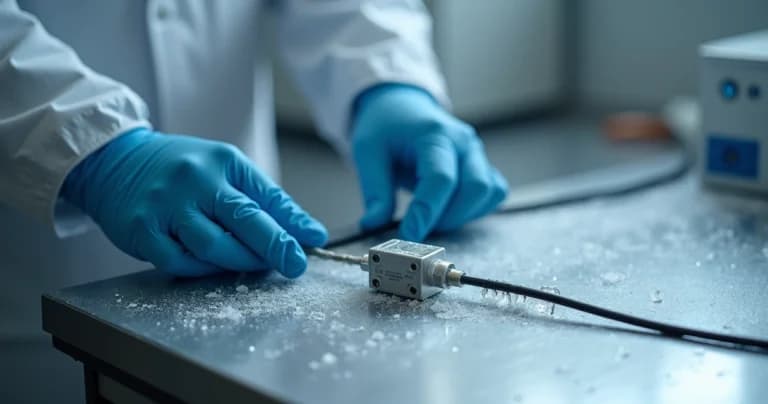
I've seen many equipment and processes compromised by sensor failures, especially in cold environments. Anyone working with cold chambers, laboratories, industrial or pharmaceutical areas knows that when a sensor fails, the loss can be high and immediate. The good news is that most problems can be prevented with simple measures and the support of appropriate technology.
Why do sensors suffer more at low temperatures?
Cold environments present their own challenges. Extreme cold can affect materials like plastics and metals, making them brittle. Electronic components react to cold in different ways: batteries discharge faster, circuits may show inaccurate readings, and internal condensation can corrode electrical contacts.
According to research from the Federal Institute of Pernambuco on the Aquasense system, considering adverse environmental conditions is key to maintaining accuracy and sensor lifespan in monitoring installations. This concern is well-founded. I consistently observe in my field assessments that sensors positioned inside cold chambers require constant care to prevent unexpected failures.
A poorly maintained sensor is a risk of high costs, losses, and loss of system confidence.
Still, many market systems only "alert" when something has already gone wrong. That's why I prefer systems like DROME Predict, which already analyze trends and provide predictive alerts, preventing the problem from occurring in the first place.
What's the difference between moderate cold and extreme cold?
Not all cold environments are the same. A refrigerated chamber is different from an ultra-freezer. Sensor behavior changes, and so do the care requirements. At temperatures below -20 °C, the risk of material breakage is higher, along with sharp drops in battery performance and greater propensity for condensation due to the thermal difference between the sensor and surrounding environment, as I've observed in biomedical laboratories.
- Extreme cold can cause the plastic sensor body to crack.
- Rechargeable batteries tend to lose capacity rapidly.
- Sensors exposed to frequent thaw cycles suffer more from moisture and internal condensation.
That's why choosing the right sensor, combined with good maintenance practices, is fundamental. I also recommend reading the article on IoT sensor failures in the cold chain, which complements this topic.
Practical tips to extend sensor lifespan
From my experience working with companies using the DROME system, I've observed that sensors last longer when there's a maintenance routine and some degree of customization of care, depending on the environment and sensor type. Below, I list best practices that, if applied, significantly increase equipment durability:
- Choose sensors designed for low temperatures. Generic sensors fail sooner. In projects I participate in, I always evaluate whether the component was engineered to operate well within the required temperature range. DROME, for example, uses industrial or medical-grade sensors, ready for critical environments.
- Avoid thermal shock. Abrupt sensor temperature changes between hot and cold environments cause microfractures. If sensor removal is necessary, I always recommend slow acclimation.
- Always install away from forced air areas or external walls. The microclimate at critical points accelerates sensor wear.
- Perform periodic calibration. It prevents incorrect readings and identifies premature wear. For this, I particularly appreciated the tips in the practical guide to sensor calibration in controlled environments.
- Check and replace sealing components. Rubber rings and insulation tape age over time, losing efficiency.
- Create a routine for visual sensor inspection, looking for cracks, condensation, or external changes.
Special care in highly aggressive environments
Environments like ultra-freezers, cryogenic chambers, and areas subject to high humidity require extra attention. Once, I saw a client lose three sensors in less than two months because of prioritizing quick installation without thinking about long-term durability.
Below, I focus on three strategies I always recommend in these cases:
- Physical protection. Use waterproof boxes, moisture and splash protection, and insulated cables. In extreme cases, sensors encapsulated in resin significantly increase lifespan.
- Intelligent monitoring.
- Contingency planning for quick replacement, especially in critical areas where the process cannot stop. DROME, for example, suggests clear routines for this in its content on contingency planning.
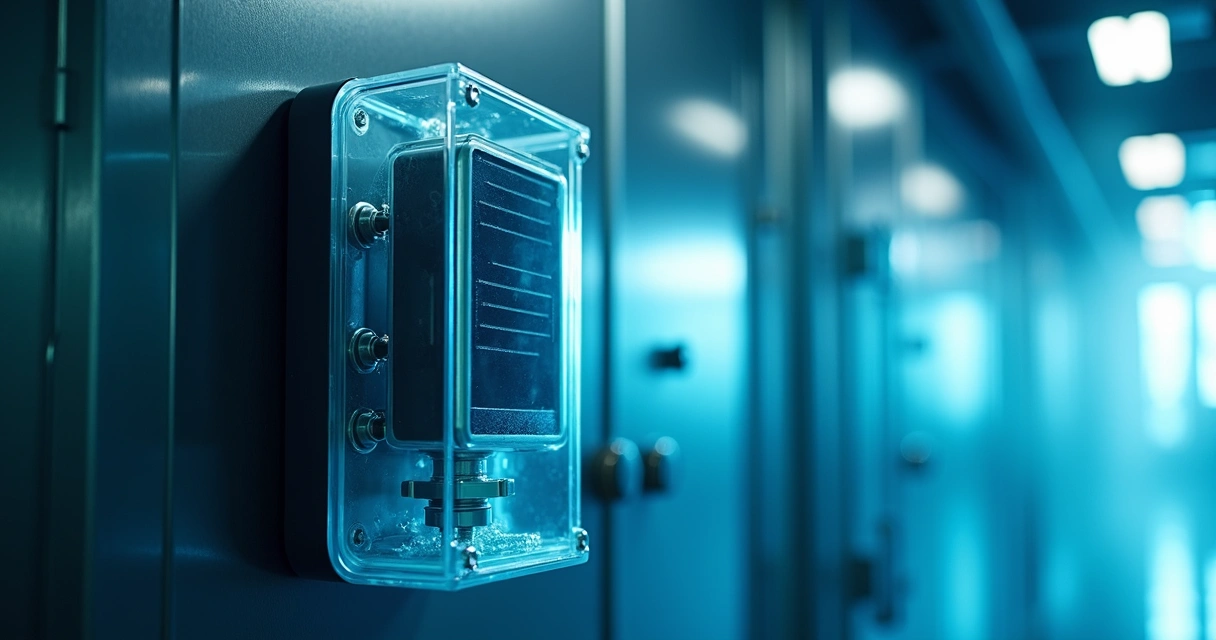
I've noticed that sensors connected to intelligent failure prediction systems, like DROME Predict, stand out because they allow identifying wear trends before a fatal error occurs. This way, replacements can be scheduled preventively, reducing unexpected downtime.
The importance of predictive maintenance and planning
Over the years, I've seen that more than reacting to failures, predicting problems is the differentiator for leading companies in the sector. Predictive maintenance, which uses historical data to anticipate failures, is now a reality thanks to systems like DROME Predict.
The difference lies in the ability to anticipate degradation signals before the sensor indicates any conventional failure alert. A simple gradual increase in response time can already trigger the alert signal. DROME Predict leverages a robust database of real sensor data, learning from the history of each equipment type and pointing out a possible problem before it impacts operations.
If you want to dive deeper, this discussion on predictive maintenance in cold chambers can help you better understand how to plan your sensor routine – and save on unnecessary replacements.

How does supplier choice make a difference?
I see that many problems arise from simply choosing inadequate sensors, often suggested by suppliers unfamiliar with real usage conditions. Some opt only for the lowest price, but later face losses from failures and constant replacements.
Although some competing brands have good options, I notice that integrated systems like DROME differentiate themselves because they already work with:
- Real database for early anomaly identification.
- Drift detection and failure prediction functions, avoiding surprises.
- Specialized technical support for cold environments.
Few other solutions match this level of customization and proactive data monitoring. The combination of these characteristics is what I consider safest for those who don't want to take risks.
Is preventive maintenance planning worth it?
Absolutely. Most sensors in cold environments fail due to lack of preventive maintenance. I've witnessed major losses of supplies because someone trusted that "the sensor was working yesterday" and didn't check again. Planning regular inspections, calibrations, and scheduled replacements is better than trying to fix everything after the alarm has already sounded. A simple maintenance plan, combined with a system that continuously monitors sensor conditions, is what makes the difference in routine operations.
For those wanting to structure their planning, this step-by-step on IoT preventive maintenance can serve as a basis for increasing device lifespan.
Conclusion
In my view, investing in sensor durability in cold environments is not only about reducing costs, but ensuring more reliable processes. I've seen companies completely change their control and safety level by adopting appropriate practices and intelligent predictive monitoring systems, like DROME Predict. Well-chosen sensors and proper care mean fewer headaches, less waste, and true control over environmental quality.
If you also see the importance of a truly predictive system for sensors in cold environments, I recommend learning more about DROME and seeking information directly from the source. Get in touch and see how we can take your operation to a new level of reliability.
Frequently Asked Questions
What are sensors for cold environments?
Sensors for cold environments are devices designed to measure variables such as temperature, humidity, and pressure in low-temperature locations. They are made with specific materials to withstand extreme variations and ensure measurement accuracy without compromising functionality, even in freezing conditions.
How do you protect sensors from extreme cold?
Sensors should be installed in locations with minimal thermal variation, using protective boxes, reinforced sealing, and frequent inspection routines to identify early signs of wear. By following manufacturer recommendations and systems like DROME Predict, it's possible to anticipate problems before they cause failure.
What care extends sensor lifespan?
Sensor lifespan increases with preventive maintenance, periodic calibration, and regular visual inspection to identify cracks and moisture signs. Choosing certified sensors and using intelligent monitoring systems ensures even greater safety and durability.
How do you know if a sensor is damaged?
Common signs of damage include inconsistent readings, response delays, signs of corrosion, or physical cracks. Systems with predictive analysis, like DROME Predict, detect failure trends before the problem becomes visible, facilitating quick intervention.
Where to buy cold-resistant sensors?
Look for specialized suppliers that offer sensors tested for cold environments, with technical support and factory warranty. Platforms like DROME already work with certified sensors and full integration to predictive monitoring, offering greater peace of mind for critical operations.