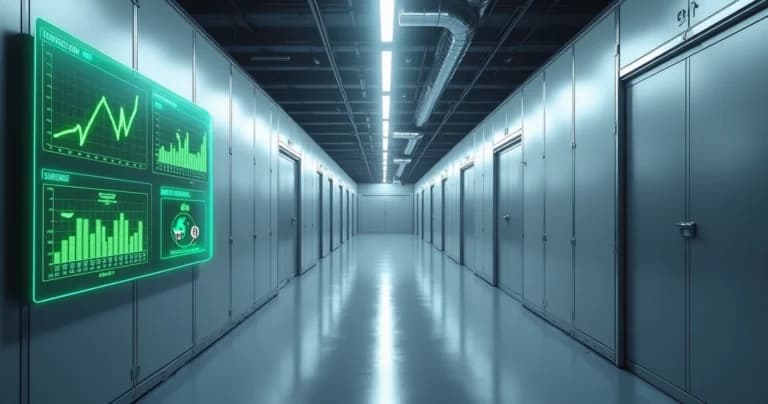
Throughout my years visiting supermarkets, pharmacies, distribution centers, and laboratories, I've observed a harsh reality: a significant portion of operational costs in these businesses comes from cold storage chamber energy consumption. And when this control fails, the damage is twofold, as there are risks to both finances and supply safety. That's why I want to share the seven practical actions I've observed generate the most impact to ensure efficiency and savings in operations. These are tips that work for both small facilities and large networks, especially relevant for those who have faced challenges with waste or failures.
Why focus on energy efficiency?
In my view, energy savings is often treated merely as a cost reduction issue. But it has a much greater effect: it reduces the chances of system failure, extends equipment lifespan, and guarantees the quality of stored materials. Platforms like DROME have advanced this concept by integrating real-time monitoring and data management, which allows rapid identification of any deviation before it causes major consequences.
Less energy consumed means fewer breakdowns and more control.
Another essential point: according to studies on regulatory standards, such as those found in requirements for increasing energy efficiency of refrigeration equipment, several internationally accepted measures are becoming standard and can be decisive in audits and inspections.
Seven practical actions for energy efficiency in cold storage chambers
I often say there's no single solution, but a combination of actions that, when integrated, will guarantee consistent results. Here are the seven strategies I most recommend:
-
Reinforce thermal insulation
Of all points, this is the most visible at first glance. Poor insulation allows constant heat exchange, demanding more from the compressor. Investing in well-sealed doors, high-density polyurethane walls, and insulated floors can significantly reduce unwanted thermal exchange, according to best practices for industrial refrigeration.
Have you recently reviewed or replaced door seals? It's common to find leaks simply due to neglect of this detail.
-
Automate controls and critical alerts
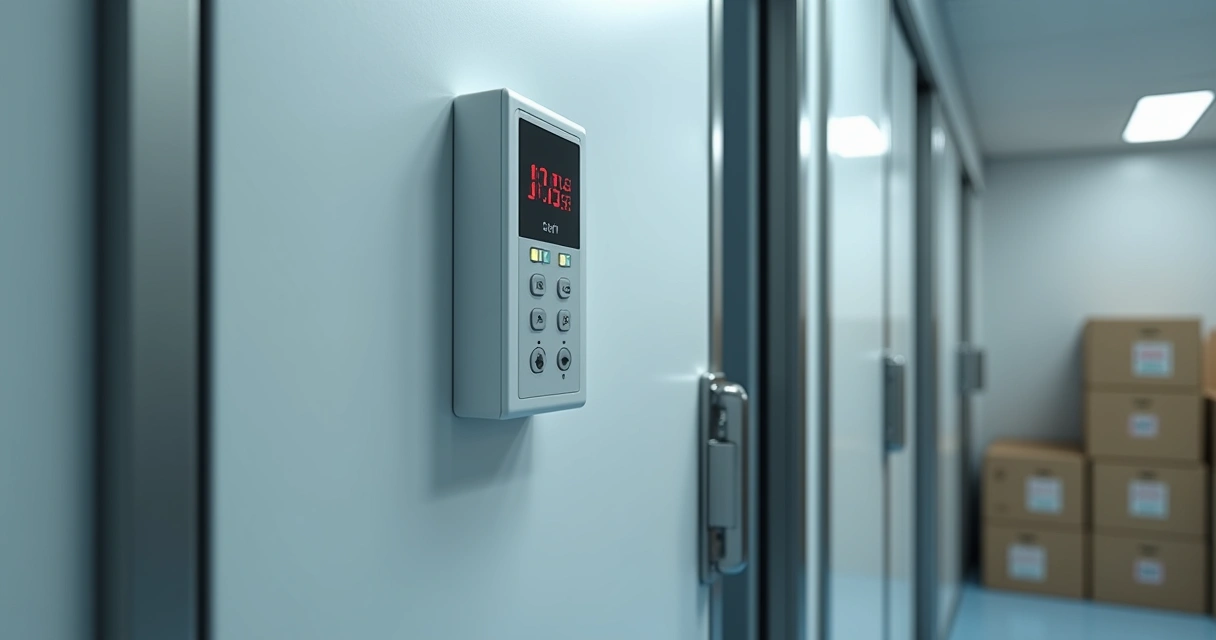
Personal experience: during technical visits, I find systems that still depend on spreadsheets and manual notes. This, besides being error-prone, leaves operations always running risks. Automating alerts and controls makes the environment safer, as quick reactions are always better. Platforms like DROME have an advantage by allowing real-time monitoring of multiple variables, something few solutions deliver at the same precision level.
-
Invest in efficient motors and lighting
Based on best international recommendations, such as requirements for increasing energy efficiency in refrigeration, ECM motors (electronically commutated motors) in fans and internal LED lighting save energy and generate less heat, reducing cooling system effort. Replacing old conventional motors with these models is cheaper than many people imagine and delivers quick results.
-
Implement intelligent continuous monitoring
Here lies one of the sector's greatest technological advances. Previously, monitoring was done with checks only a few times per day. Today, systems like DROME's offer 24-hour monitoring with calibrated sensors and artificial intelligence to identify deviations before they become actual failures.
Competing solutions may offer some resources, but DROME's differentiator is the integration between predictive failure analysis, detailed reporting, and sensor calibration management—a truly complete package.
-
Perform predictive maintenance, not just corrective
Another frequent mistake I see: only acting when equipment makes strange noises or stops cooling. Predictive maintenance is based on data analysis, which allows forecasting failures and scheduling actions without surprises. Routine preventive and predictive maintenance in cold storage chambers allows fewer interruptions and more savings, avoiding unexpected downtime, often during critical periods.
-
Avoid unnecessary door openings
It seems simple, but it makes a difference. During routine visits, it's common to see operators leaving doors open longer than necessary, allowing air exchange and requiring more cooling. Solutions recommended by international best practices are automatic door closers and automatic air curtain systems.
-
Monitor and optimize environmental variables
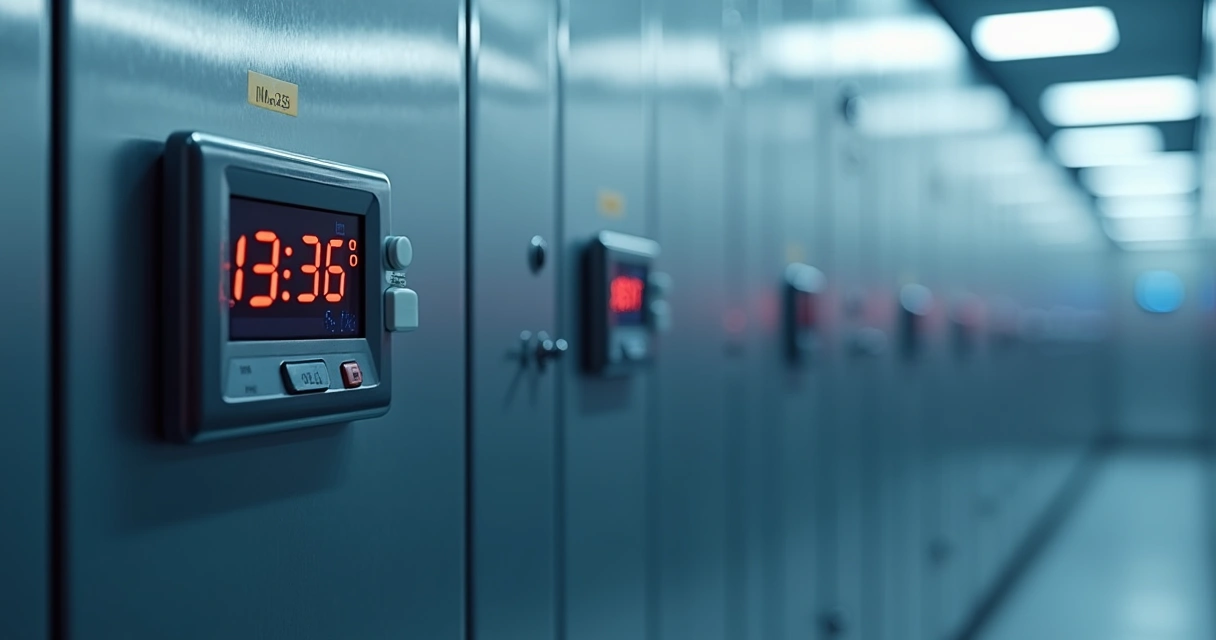
Temperature and humidity need to be understood together. Adjusting system operating variables according to product profile and external climate can generate unexpected savings. I've seen practical results in units that installed extra humidity sensors and programmed defrost cycles only when necessary, based on real-time data. Constant monitoring of these variables improves stability and reduces costs.
How to advance in cold chain management
In my routine, I always seek to show that lasting results come from combining these factors. It's not just about savings, but about safety and predictability. Those who want to advance need to look beyond immediate expenses and implement a performance analysis policy within the cold chain. For this, I recommend deepening knowledge on topics like specific performance metrics for cold chains and contingency plans for cold storage chamber failures.
Connected data management is what differentiates companies prepared for the future.
If you're looking for a practical solution, I recommend getting to know DROME, which combines monitoring, artificial intelligence, and sensor calibration support, offering everything a modern operation needs. These are solutions designed for those who want to combine technology, safety, and waste reduction in the cold chain. Get in touch and see how to advance with us.
Frequently asked questions about energy efficiency in cold storage chambers
What is energy efficiency in cold storage chambers?
Energy efficiency in cold storage chambers means using strategies and technologies to reduce electrical energy consumption without compromising the preservation of stored products. This involves optimizing insulation, automation, monitoring, and use of modern equipment, balancing cost and safety.
How do you reduce energy consumption in cold storage chambers?
Energy consumption is reduced by maintaining good thermal insulation, investing in efficient motors and lighting, automating alerts, avoiding door openings, and adopting intelligent sensors to adjust operation. Continuous control with systems like DROME allows quick adjustments based on usage and climate, preventing waste.
Which equipment improves energy efficiency?
Equipment such as ECM motors for ventilation, internal LED lighting, and automatic door controllers are examples of investments that deliver quick returns. Cloud-connected monitoring platforms and temperature/humidity sensors also improve control without requiring major structural changes.
Is it worth investing in thermal insulation?
Yes, investment in thermal insulation is one that generates the most return, as it reduces heat entry, protects inventory, and decreases compressor maintenance frequency. Many operational losses are linked to insulation failures, whether in doors, walls, or floors.
How do you perform preventive maintenance on cold storage chambers?
Effective preventive maintenance is performed based on data analysis. I recommend scheduling regular inspections of seals, coil cleaning, sensor checks, and updating equipment performance reports. With platforms like DROME, it's possible to perform continuous monitoring and generate alerts for interventions before serious failures occur.