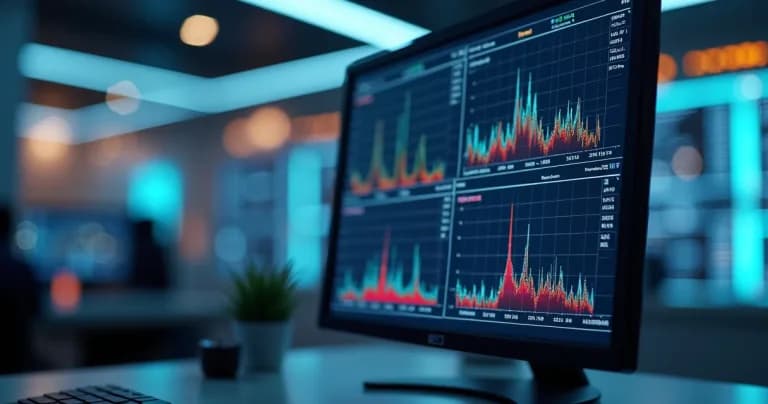
Since I began my journey in the monitoring sector two decades ago, I've witnessed technologies and processes change drastically. However, in recent years, I've noticed one specific advancement gaining prominence: data integrity. In 2026, this topic is more in the spotlight than ever, especially for those working with temperature-sensitive inputs like pharmaceuticals, vaccines, and food products. Throughout this article, I'll share why data integrity can no longer be treated as merely a detail, but rather as an urgent priority.
What Does Data Integrity Mean in Monitoring?
In practical terms, data integrity means ensuring that information generated, transmitted, and stored remains correct, complete, and authentic throughout its entire lifecycle in the system. I've witnessed situations where minor failures, such as inconsistent sensor readings, resulted in enormous problems, including the loss of entire vaccine or food batches. I'll never forget the impact a single corrupted data point can cause.
Data integrity is the silent trust that keeps critical operations running without unpleasant surprises.
Modern Challenges of Continuous Monitoring
With the arrival of SaaS platforms and IoT solutions, like those DROME offers, it became possible to monitor multiple environmental variables in real time. But alongside these advances came more complex challenges:
- Growing volume of data generated every second
- Diversity of connected devices from different manufacturers
- Need for rapid responses to predictive alerts
- Regulatory pressure on digital evidence in audits
I've experienced firsthand how companies that fail to prepare for managing data integrity end up exposed to legal, operational, and financial risks. And of course, if there are flaws in this data, the entire decision-making chain becomes compromised.
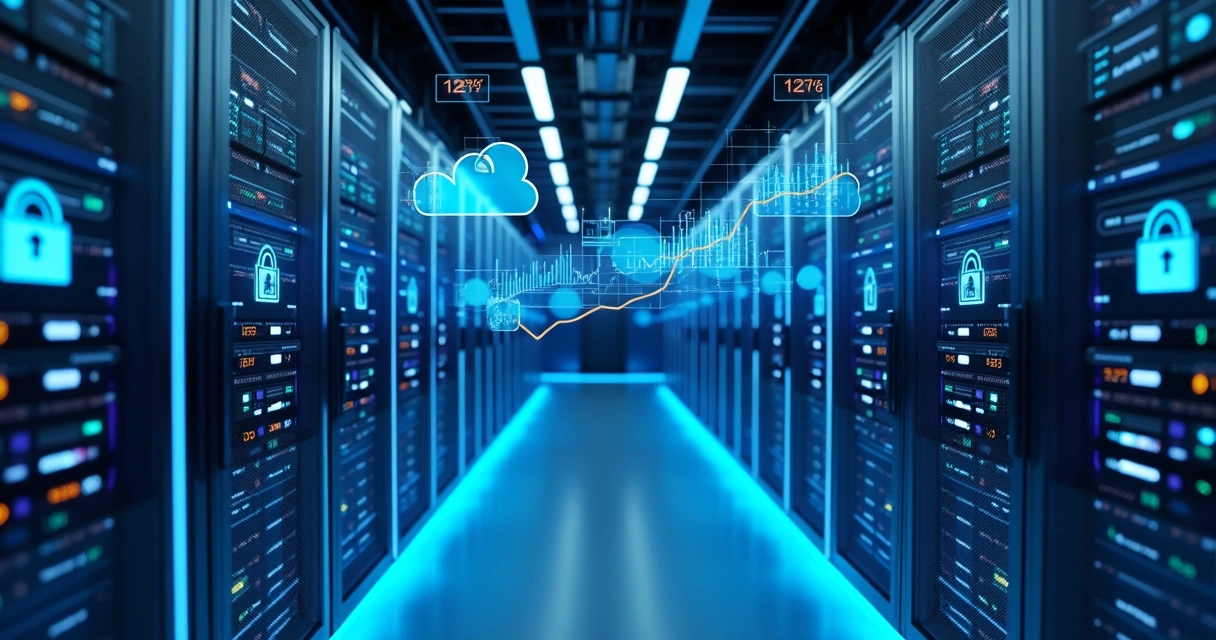
Why Did This Topic Gain Such Momentum in 2026?
Several reasons explain this trend, but I see three main factors:
- Expansion of critical environments, such as hospital pharmacies and food distribution centers
- Stricter regulations and constant audits on environmental data
- Market pressure for transparency and corporate social responsibility
Today, the requirement is no longer just knowing whether equipment issued an alarm. It's knowing at what moment, under what conditions, through which sensor, and most importantly, being certain that these records haven't been altered.
Data without integrity is data without value.
At DROME, we always prioritize this. I recall a recent conversation with a cold chain manager who was surprised by how easy it was to trace each event thanks to our sensor calibration management system and detailed reporting capabilities.
Practical Impacts: What's at Stake?
It's no exaggeration to say that public health and food supply depend on data integrity. When we talk about sensitive inputs, we're dealing with medications for chronic patients, vaccines in national campaigns, and perishable food items. I've witnessed clients lose merchandise valued at hundreds of thousands of dollars due to minor failures in monitoring systems. And in most cases, the reason was simple: the collected data wasn't reliable.
A monitoring system only serves decision-making if there is trust in the collected and processed data.
Another point that makes me insist so much on this topic is how quickly fraud, manipulation, or human error can destroy a company's credibility. In a market where competitors promise similar solutions, what truly differentiates is the robustness of data control.
How to Ensure Data Integrity in Monitoring?
In the context of DROME, data integrity is treated end-to-end. But I've separated here some actions that, in my experience, make all the difference:
- Choose verified sensors and calibrate them periodically
- Adopt platforms that generate traceable and immutable records
- Continuously monitor historical data, not just real-time data
- Use digital authentication and encryption in data transmission and archiving
- Maintain automatic alerts for inconsistencies or failures
- Ensure generation of detailed reports for audit purposes
I'm quite confident in stating that, among the solutions available in the Brazilian market, DROME delivers solid differentiators in these criteria. I've analyzed other systems that promise reliability but fall short by not integrating predictive analysis with artificial intelligence and low false positive rates in alerts. These are details that generate enormous impact in the daily operations of those who depend on these inputs.
Why Trust DROME More?
I say this not just because I'm part of the project, but because I frequently receive reports from customers who migrated to DROME after frustrating experiences with other platforms. What I hear repeats itself: searches for historical data were tedious, reports didn't pass audits, alerts failed at the most critical moments.
At DROME, we monitor multiple environmental variables continuously, connect sensors of various types, and still deliver reports with digital signatures ready for any audit rigor. We also offer a complete module for sensor calibration management, something fundamental to ensure collection quality.
Choosing a solution with real focus on integrity protects your business, reduces losses, and ensures regulatory compliance.
If you want to learn more about the monitoring landscape, it's worth checking out this collection of relevant content on environmental monitoring.
Integration with Sector Trends and New Requirements
The expectation for the coming years is that increasingly more institutional and international standards will require not just accurate data, but also transparent and auditable data. Those who don't anticipate this will fall behind. We've already covered how information technology transforms how we analyze monitoring data, and the role of this advancement will only grow from here forward.
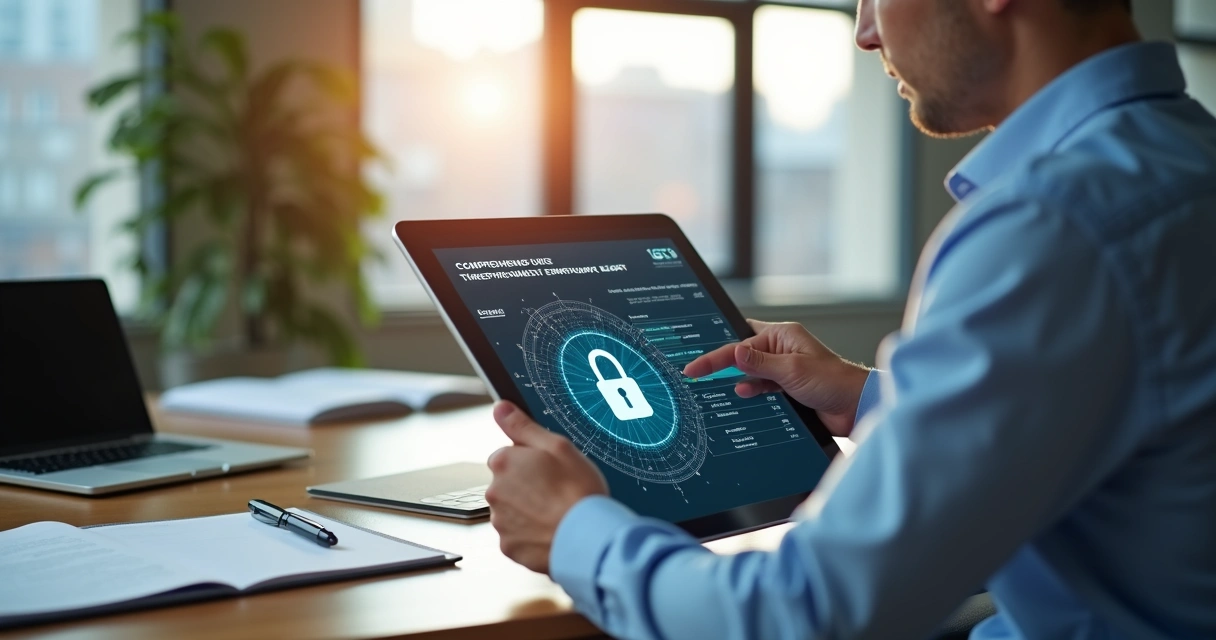
Knowledge and Prevention for 2026
I believe that one of the highest levels of responsibility in 2026 will be preventing losses caused by human and technical failures, something we've covered in detail in our guide on reducing losses from human failures. This literally comes down to trusting in data integrity.
And remember: choosing the right sensor is also part of this care for integrity, as discussed in our analysis on real-time sensors for vaccines, a topic that's receiving increasing attention with current health threats.
Final Word: Treat Data Integrity as an Absolute Priority
After so many years following the maturation of monitoring in Brazil, one lesson became clear to me:
Integral data is what defines the success or failure of any monitoring project.
If you want to enhance the security of your sensitive inputs and avoid preventable losses, it's worth getting to know DROME. Discover our platform and understand how our technology can transform your company's relationship with data integrity, and more than that, protect your business's future.