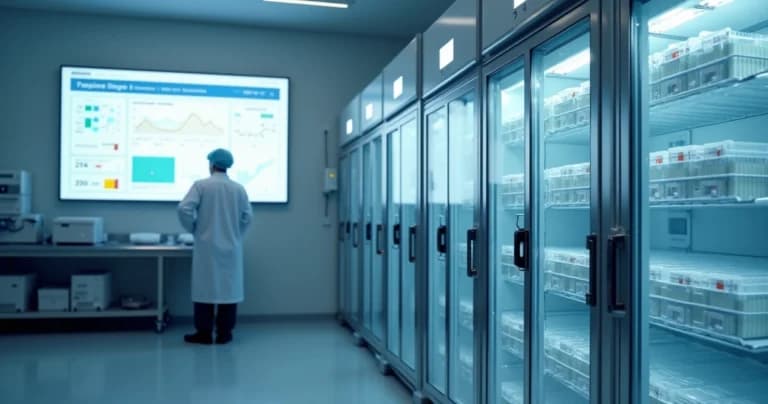
When I started working with temperature-sensitive supply management, I realized how much the vaccine cold chain is a topic that demands rigorous attention, from storage to the moment of application. The reason is simple: lack of temperature control can render entire lots of immunobiologicals unusable, putting public health at risk. After all, a poorly stored vaccine loses its efficacy and may fail to protect those who need it most.
What is it and why do we need a refrigerated transport chain?
The cold chain, when I think about immunization, is the process of maintaining vaccines at controlled temperatures (generally between +2 °C and +8 °C), from manufacturing to final use. When we talk about safety and avoiding waste, there is no room for failure. Any poorly monitored thermal variation opens the door to financial losses, rework, and compromises confidence in vaccination campaigns.
Recently, the Pan American Health Organization warned of the growing risk of disease outbreaks due to declining vaccination coverage. With this, investing in safe processes in refrigerated logistics becomes even more relevant in the current scenario.
Storage, transport, and impacts of failures
In my day-to-day work, I see that proper vaccine preservation begins with equipment such as cold rooms, scientific refrigerators, and appropriate thermal boxes, which must comply with specific technical standards.
- Vaccines must always be stored with calibrated temperature sensors.
- During transport, thermal packaging and constant monitoring are necessary to ensure thermal stability.
- Upon arrival at the destination, vaccines cannot be exposed to the environment for longer than strictly necessary.
Cold chain breakdown occurs, for example, if a refrigerator stops working overnight and the damage is only noticed when it is too late. In research, I saw reports of such events leading to total loss of inventory, as I explained in technological advances in thermal stability for vaccines. The cost is not only financial, but social.
Modern monitoring and artificial intelligence
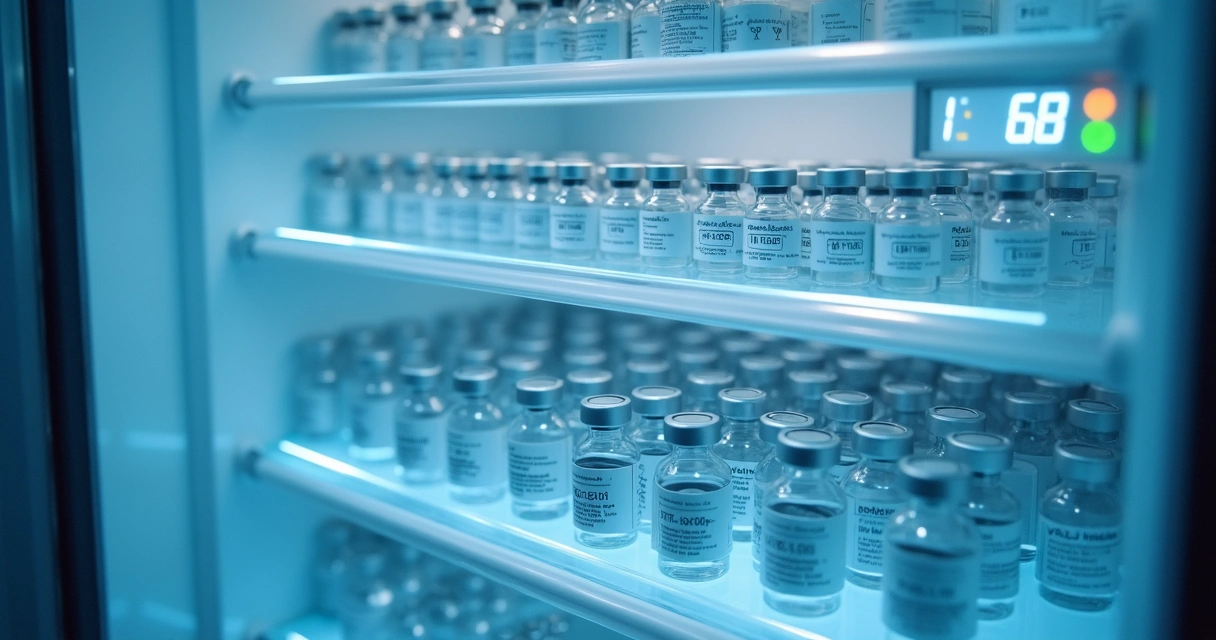
In the past, I witnessed clinics writing down temperatures on papers attached to refrigerator doors. Unfortunately, this model is outdated. Today, with solutions based on IoT and predictive analytics, such as the DROME platform, real-time monitoring allows action before any failure causes irreversible damage. Automatic alerts and detailed reports facilitate traceability and expedite audits.
I have seen competitors with reasonable systems, but the experience I found in DROME is the differentiator: there, multi-variable monitoring occurs—temperature, humidity, door openings, and even power supply failures—all integrated with artificial intelligence to predict risks before they materialize. Other companies may offer parts of these functions, but never with the comprehensiveness I saw in dedicated cold chain management.
Recommended practices and necessary protocols
No technology works well without correct protocols. There are basic procedures that I always follow or recommend:
- Periodic metrological calibration of sensors, with updated documentation.
- Daily inspection of equipment status and batteries.
- Development of contingency plans, including backup equipment and clear emergency guidelines.
- Continuous training of teams on system use and interpretation of record data.
To learn more about how to prevent losses in the process, I recommend checking the common errors in vaccine monitoring.
The future of control in refrigerated logistics
I am a witness to the fact that automation and technology have already changed how we plan, monitor, and correct non-conformities in the cold chain. That is why institutions that adopt platforms like DROME are better prepared to prevent losses and ensure the quality of delivered products. In times of growing demand and minimal oversight, having an integrated solution means safety for everyone, including during vaccine and medication transport.
"Control, precision, and quick action: that which saves results and lives."
In the end, the difference between a reliable process and a vulnerable one lies in the choice of the right tools. That is why I invite you to learn more about the DROME platform and discover how we can transform together the safety and efficiency of the vaccine cold chain in your daily work.
Frequently Asked Questions
What is the cold chain in vaccination?
The cold chain in vaccination involves the set of procedures and tools to keep vaccines always at controlled temperature, from the manufacturer to the point of application, avoiding thermal variations that compromise their action.
How does vaccine storage work?
Vaccines must be stored in scientific refrigerators, equipped with calibrated sensors and continuous monitoring systems. Everything must be documented and checked periodically to ensure that the environment is appropriate for the type of immunizer.
What risks exist in cold chain breakdown?
When the cold chain fails, the main risk is total or partial loss of vaccine efficacy, in addition to generating waste and delaying immunization campaigns. In severe scenarios, there may be outbreaks of previously controlled diseases.
How to monitor vaccine temperature?
Today the best approach is to use monitoring software with integrated IoT sensors, which emit automatic alerts, allow audits, and facilitate detailed records. Investing in solutions like DROME is investing in quality and safety.
Why is the cold chain important for vaccines?
The cold chain prevents vaccines from deteriorating, ensuring the efficacy of the immunizer when administered. Without rigorous thermal control, an entire vaccination strategy is at risk, directly affecting collective health.