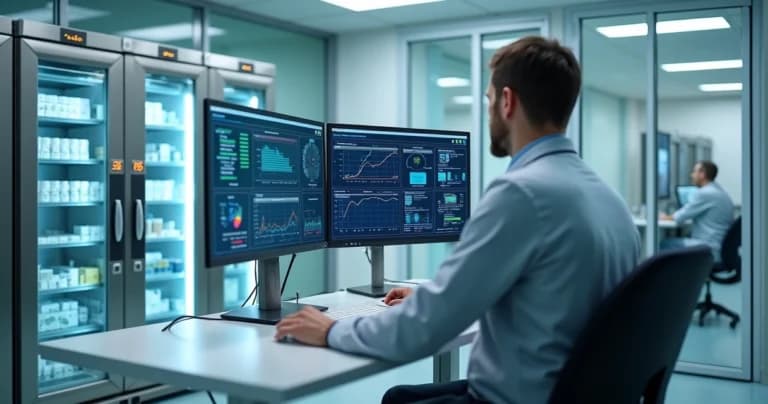
When I began studying in depth the universe of medication and vaccine preservation, it didn't take long to realize how many concrete challenges exist to maintain confidence in public health. The integrity of inputs sensitive to thermal variation cannot be put at risk by failures that could be prevented. That's why I see so much value in the constant updating of the updated cold chain manual, the subject of this content I share here.
Cold chain: structural foundation for medications and vaccines
I often say that the cold chain is like an invisible line connecting production laboratories, storage centers, and finally vaccination rooms and pharmacies. For medications, vaccines, and some foods, failing to follow correct thermal parameters can render entire batches unusable, causing losses and threatening the health of many.
The network's operation involves:
- Regional and municipal storage centers
- Vaccination rooms and pharmaceutical dispensing points
- Specialized transport with temperature control
- Equipment: cold chambers, refrigerators, thermal boxes, and thermometers
- Monitoring systems for reliable real-time records
Recently, changes in regulations and investments, such as those provided for in Portaria GM/MS nº 3.248, 2020, reinforced refrigeration infrastructure and data digitalization in Brazil. This context opened new opportunities and also demands for best practices in the cold chain.
What changed in the updated cold chain manual?
With digitalization and the strengthening of legislation and oversight, updating cold chain routines became mandatory. In my research and experiences with health managers, I noticed that since 2020 there has been growing pressure for traceability and automatic monitoring, especially for PNI vaccines.
Among the most notable points, the following stand out:
- Need for automatic records: manual spreadsheets are no longer accepted in rigorous audits.
- Mandatory and periodic calibration of temperature and humidity sensors.
- Reinforced traceability: you need to know exactly where and when any variation outside acceptable parameters occurred.
- Detailed digital reports, with history and automatic failure alerts.
- Full compliance, being auditable end-to-end.
To achieve this standard, technology ceased to be merely an ally. It became the central axis of intelligent control in storage, transport, and distribution environments.
Continuous monitoring and technology: how does it actually work?
I tend to be quite critical of adopting innovations merely for the "modern" appeal. What impresses me most when analyzing solutions based on IoT, machine learning, and predictive analytics, like DROME, is the concrete gain in reducing waste. It's not enough to monitor; you need to anticipate failures before products are lost.
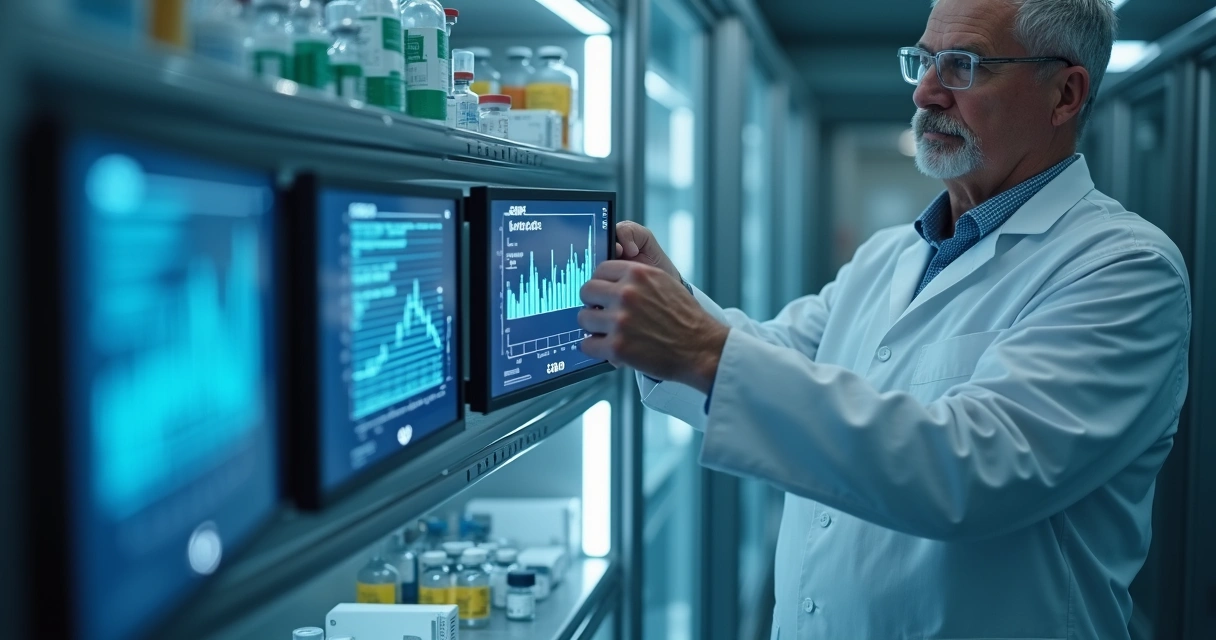
In practice, implementing a continuous monitoring SaaS platform involves:
- Installation of high-precision wireless sensors – not just inside cold chambers, but also in thermal boxes and transport containers.
- Constant data transmission to the cloud. This surpasses that old spreadsheet filled out every 2 hours, which can easily be forgotten or manipulated.
- Proactive alerts: if temperature approaches the limit, the system instantly notifies those responsible, including via mobile phone.
- Data history and automatic reports ready for audits.
- Management of sensor calibration cycles – including reminders and centralized documentation.
In my daily contact with those operating manual systems, I observe the difference between new solutions and older alternatives: failures that were previously only perceived after input loss are now anticipated and neutralized in real time. And here I make a point of reinforcing why, in my view, DROME stands out. While some competing platforms meet minimum requirements, our differentiator lies in offering predictive tools, complete data integration, and continuous monitoring that minimizes human error to nearly zero.
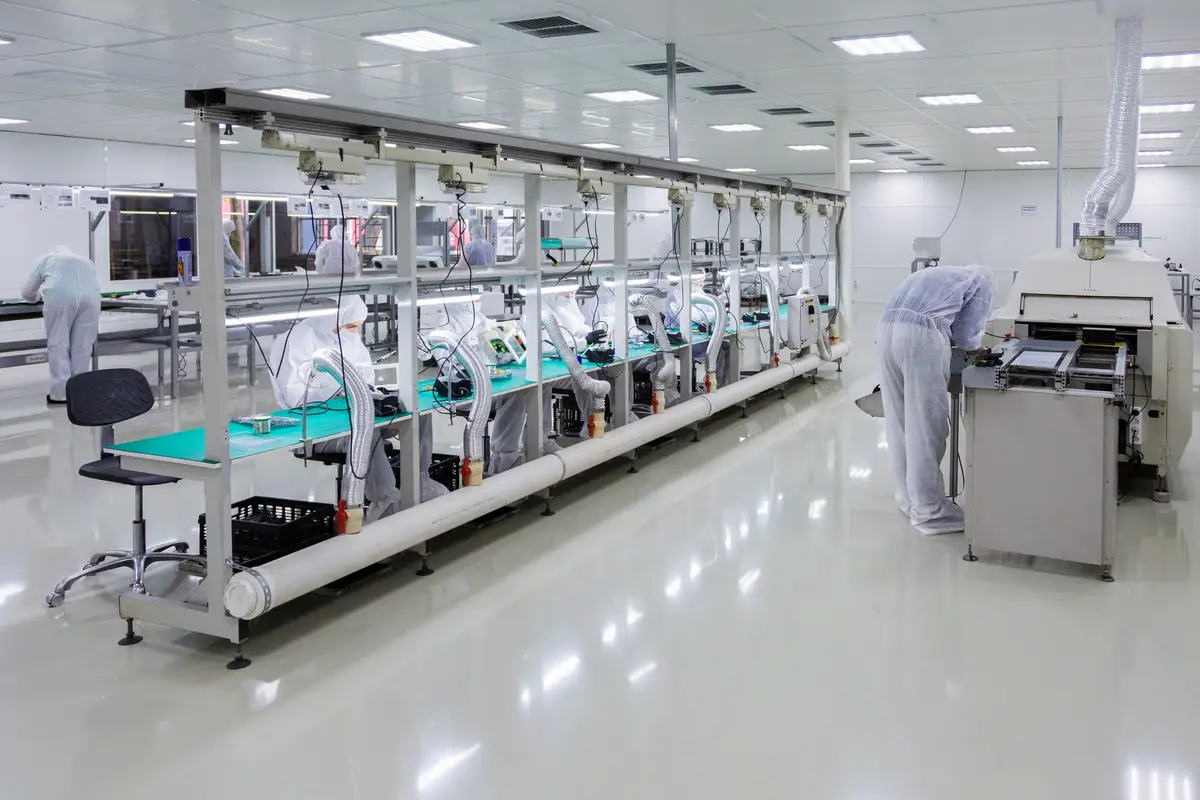
Correct procedures for storage, transport, and distribution
It's no use investing in state-of-the-art equipment if operational routine doesn't follow well-defined standards. I always like to emphasize this when talking with health teams: physical and thermal integrity is only guaranteed when everyone follows the same protocols.
Main precautions I've learned and seek to reinforce daily:
- Separate vaccines and medications in the cold chamber according to entry and exit flow, avoiding unnecessary contact.
- Never overload shelves or store inputs on the door, the most sensitive zones to variations.
- Perform frequent preventive maintenance of equipment to avoid sudden failures.
- Plan distribution with pre-defined and monitored routes online.
- Use sealed thermal boxes during transport, prioritizing refrigerated vehicles tracked by GPS.
- Train staff to act quickly in case of alerts or fluctuations.
These processes, also detailed in the specialized guide on cold chain monitoring and best practices, become viable through complete interconnection of equipment and people involved.
Sensor calibration and audit compliance
An aspect frequently underestimated is sensor calibration. I've heard reports where apparently "perfect" results were merely the result of uncalibrated sensors, masking real risks. Knowing how to manage this process is synonymous with guarantee and, mainly, with passing internal or external audits smoothly.
Calibrating is attesting to confidence in data.
In DROME, all sensors have automated validity/calibration control and associated documentation – a factor that, from my experience, makes a difference in inspections. When I compare the solution to alternatives, I see that the differentiator lies in automating reminders and cloud storage of certificates, reducing administrative bottlenecks.
For those seeking to deepen this topic, I recommend reading the complete checklist for compliance and validation of IoT sensors, which details everything from technical steps to tips for organizing reports and documents.
Automatic records and digital reports: traceability as priority
When I think about the greatest losses caused by cold chain failures, I remember the difficulties in explaining – or even discovering – where the integrity breach occurred. Automatic recording, with date and time stamp, not only prevents fraud or errors but ensures information security in the background.
As I often reinforce in training:
Whoever doesn't record, doesn't confirm. And whoever doesn't confirm, risks everything.
Digital reports aren't just for showing pretty data in audits. They promote:
- Retrospective analysis of failure patterns
- Proof of compliance for regulatory bodies
- Speed in locating products exposed to improper conditions
- Basis for continuous process improvement
Tools like DROME bring all this data together in an integrated way, unlike competing solutions where data is scattered and requires much manual manipulation to generate clear reports. If you wish to deepen this aspect, I recommend the content on data integrity as a monitoring priority.
Recent regulations and main demands for 2026
In my readings and conversations with managers, it became clear that Brazilian legislation is aligning cold chain control with international standards. It's not just about installing a temperature monitor – Portaria GM/MS nº 3.248 and other recent legislation established parameters that include computerization, traceability, and real-time safety guarantees.
In the coming years, I see requirements for the updated cold chain manual including:
- Mandatory digitalized and online platforms to monitor the entire logistics cycle
- Automatic sharing of reports with surveillance authorities
- Immediate response to adverse events detected by predictive algorithms
- Greater oversight through surprise audits and document compliance
This puts pressure and at the same time directs the sector to seek truly stable partners and solutions. I've tested systems from competitors, which work reasonably well, but stumble when it comes to integrating different equipment, sensors, and routines. In DROME, all these elements are centralized and standardized.
How to avoid waste and human errors
After witnessing so many cases of preventable losses, I understood that relying solely on human routine is a mistake. Automating through reliable SaaS not only reduces the risk of failures but frees technical teams for analysis and process improvement tasks.
The main gains I observed when an organization adopts a focused SaaS platform, like DROME, are:
- Minimization of financial losses and input waste
- Greater agility in corrective actions
- Reduction of fines and reputational risks in audits
- Greater transparency for the entire supply chain and end customers
For those concerned with tracking shipments in real time and ensuring the entire chain under digital control, I invite you to learn about the content on best practices for real-time tracking and monitoring that I recently prepared.
Additionally, those seeking practical tips to avoid IoT sensor failures in the cold chain can deepen their knowledge with this exclusive guide on preventing sensor errors.
Conclusion
Looking toward 2026 and beyond, I see that each update to the updated cold chain manual is a step toward ensuring true health and safety for the population. Adopting predictive digital solutions, performing automated sensor management, and ensuring reliable records is no longer a future scenario, but a daily necessity.
DROME was born focused on solving waste caused by technical and human failures, and being part of this movement is bringing more safety, economy, and peace of mind to public and private networks. If you want to transform your cold chain control into a quality reference, I invite you to learn more about what we can offer. Your next step could change the stability of your health inputs forever.
Frequently asked questions
What is the cold chain manual?
The cold chain manual is a document that brings together the main guidelines, processes, and technical standards for storage, transport, and distribution of inputs that depend on rigorous temperature control, such as vaccines, medications, and temperature-sensitive products. It ensures that all stages follow standards to maintain the quality and effectiveness of these products.
How to access the updated cold chain manual?
You can access the most recent version of the cold chain manual through official channels of the Ministry of Health, regulations such as Portaria GM/MS nº 3.248/2020, and also by consulting specialized platforms like DROME, which bring together guidelines with easy-to-understand and use digital resources.
What are the best practices for cold chain?
Among the main best practices are: continuously monitoring temperatures with calibrated sensors, recording data in an automated manner, avoiding unnecessary manual manipulations, and performing preventive maintenance of equipment. Additionally, it's recommended to ensure safe transport routes and conduct frequent audits using digital reports.
Why monitor the cold chain?
Monitoring prevents the loss of batches of sensitive inputs, protects public health, and ensures compliance with legal requirements. Thus, if variations occur, it's possible to act before products are discarded. Monitoring also increases process reliability, generates savings, and reduces audit risks.
Where to find guidance on monitoring?
The best guidance is usually found in updated documents from official bodies specialized in health and digital solutions like DROME. Additionally, those wishing to deepen their knowledge can access technical content, articles on sensor checklists, traceability, and maintenance published on reliable industry platforms.