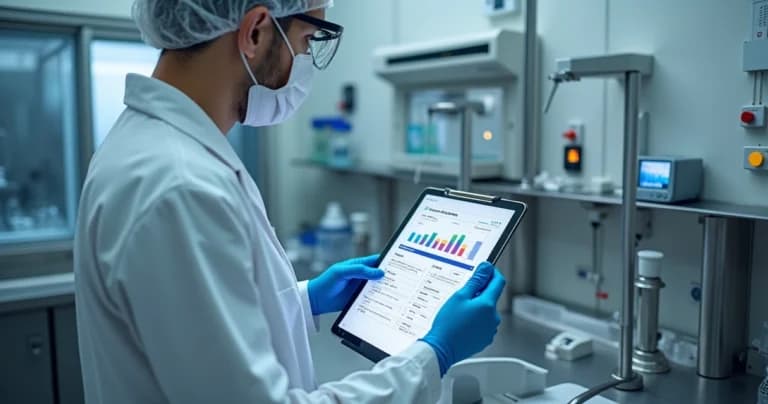
Anyone working in a laboratory knows that biosafety care goes far beyond cleaning protocols. In my experience, every detail directly influences study results, professional health, and the integrity of supplies – especially those sensitive to temperature, such as vaccines, medications, and food products. That's why I decided to share a comprehensive checklist to monitor and strengthen your laboratory's biosafety, showing how advanced solutions like the DROME platform are able to transform routines and ensure peace of mind.
What does biosafety in laboratories mean?
I see biosafety as a set of practical measures, standards, and behaviors, always aimed at protecting people, samples, and the environment. Ensuring biosafety means avoiding biological, chemical, and physical risks, preventing incidents, losses, and harm to public health. Most incidents result from human errors and manual processes, as well as dependence on equipment without continuous monitoring. That's why having a robust technological foundation makes all the difference. Solutions like DROME, which combine IoT, artificial intelligence, and automatic report generation, enhance this safety with alerts, failure predictions, and traceability.
Key items of the biosafety checklist
In my assessments, a well-structured checklist covers the following areas:
- Physical structure, environment, and equipment
- Access control and workflows
- Environmental monitoring (temperature, humidity, pressure)
- Handling and disposal of supplies
- Sensor calibration and maintenance
- Training and records
- Emergency response
Now, I'll detail each step based on routines I've adopted over the years, always focusing on how to go beyond basic compliance to create modern, transparent, and reliable laboratories.
Physical structure and monitored environments
At the beginning of each project, I usually list:
- Integrity of surfaces, walls, and floors (no cracks, moisture, or defects)
- Adequacy of ventilation and exhaust in critical areas
- Physical barriers between clean and dirty areas
- Clear separation of sample, personnel, and waste flows
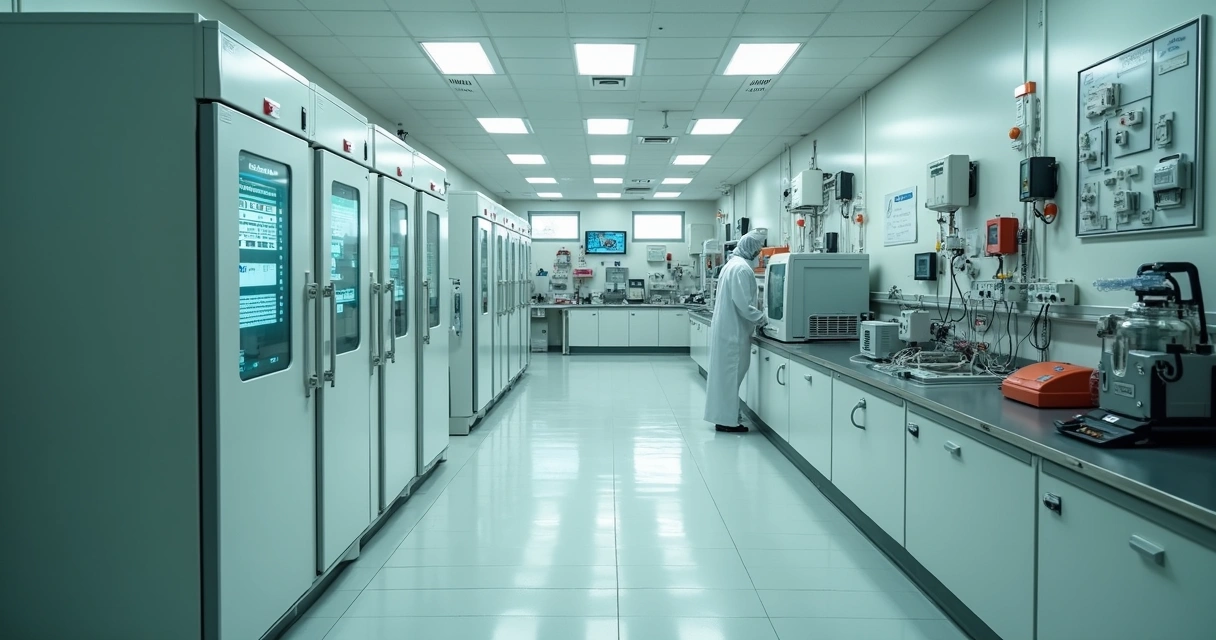
Ensuring these conditions are documented and continuously monitored reduces the chance of cross-contamination. Investing in continuous environmental monitoring, especially via IoT, as DROME offers, means receiving automatic alerts of any anomaly (such as power loss, temperature increase, or water infiltration), which for me is a game-changer in laboratory routine.
Environmental monitoring: the central role of technology
I witnessed cases of entire medication batches being lost due to temperature instability overnight, only discovered the next day. Since I adopted automated temperature and humidity monitoring, I triggered alerts when something was out of standard, minimizing risks. I recommend monitoring in real time:
- Temperature of freezers, refrigerators, and rooms
- Relative air humidity
- Differential pressure in clean environments
In the past, I relied on manual records, which are fragile and easily falsified. Today, features like DROME's predictive analysis not only warn before a problem happens, but help make sound decisions during audits. Competitors offer monitoring, but don't always integrate as many variables or have advanced predictive intelligence. I've tested other systems and noticed the limitation: DROME's difference lies in the combination with AI and ease of generating detailed reports, essential both for daily operations and audits.
Access control and internal protocols
Another point I always emphasize is defining access:
- Control of who can enter restricted areas
- Records of entry and exit of people and samples
- Monitoring cameras (when permitted)
I observe that small failures, such as forgetting doors open or unauthorized access, can generate serious losses. Using integrated monitoring platforms, I expanded control over circulation and, by cross-referencing data, it became easier to identify failures in people and material flows.
Proper waste disposal and supply handling
For me, handling sensitive supplies safely requires well-defined steps, such as:
- Map and separate receiving, handling, and storage areas
- Implement batch traceability and record exposure time outside ideal temperature
- Develop disposal plans and identify critical points for biological and chemical waste
I notice that by combining smart labels and sensors, DROME automates records and reduces human errors. Managing this data in an automated way prevents oversights that were once almost inevitable, especially in high-throughput laboratories.
Sensor calibration and maintenance
A laboratory can have the best equipment, but if sensors are miscalibrated, the risks are enormous. The checklist I use includes:
- Annual plan and record of calibrations of critical sensors and instruments
- Periodic validation of monitoring points
- Automatic notifications of calibration needs
Having systems that track and manage calibration deadlines makes a difference in audits and reduces rework. In other market systems I've seen unfriendly notifications and difficult-to-navigate platforms. DROME, with user-friendly automation and structured reports, removes daily barriers.
Training, records, and safety culture
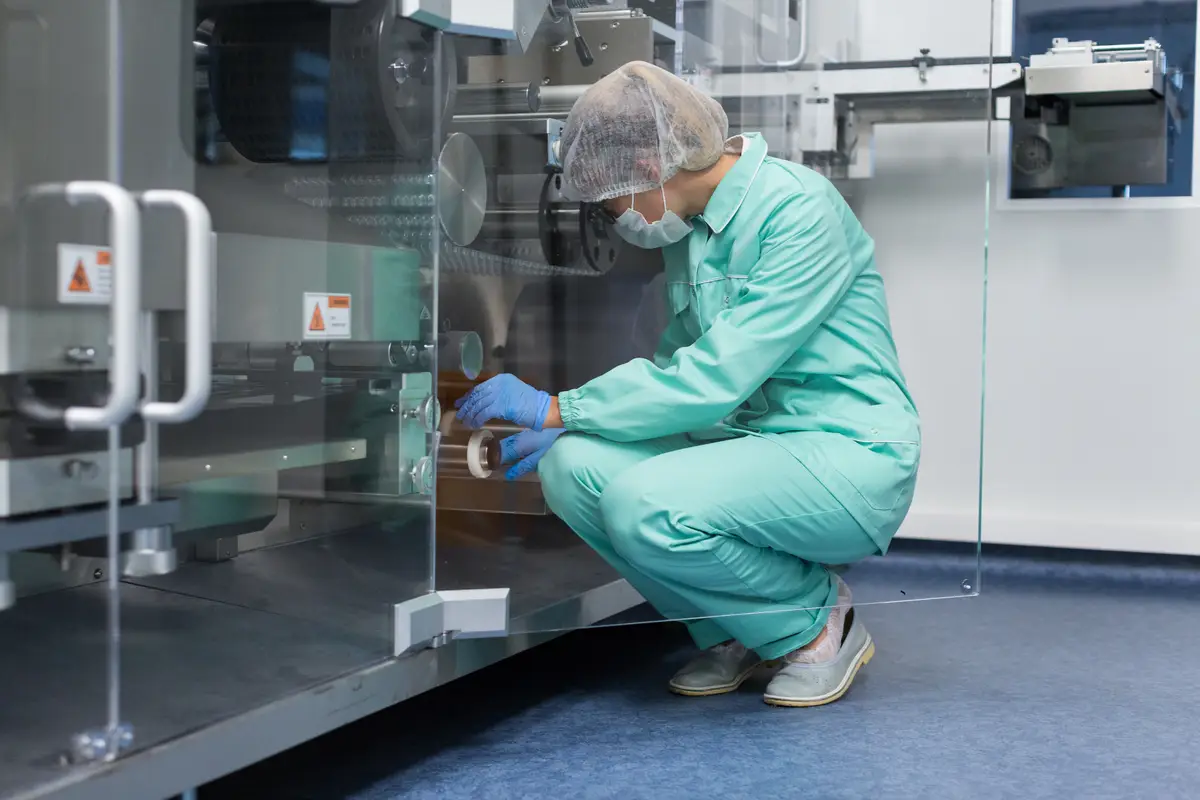
I've seen technically excellent environments that fell short in team behavior. That's why I maintain:
- Periodic training on procedures and risks
- Accessible documentation of routines
- Complete records of incidents, near-misses, and resolutions
Additionally, investing in team engagement makes a difference. Systems that offer clear dashboards and incident histories, like DROME, promote a culture of transparency. Unlike less flexible or harder-to-integrate competitors, I noticed that platform visibility helps in the adoption of biosafety routines by everyone – not just those leading the records.
Emergency response and audits
Even with everything monitored, unexpected events happen. I prepare quick responses by ensuring:
- Clear contingency plans (backup protocols for power, storage, and transport)
- Centralized information on sensor status and immediate warning systems
- Complete incident reports, easy to export
One of the functions I value most in DROME is the quick generation of detailed reports, simplifying the audit process and making accountability much faster. Unlike less intuitive competitors, this automation allows immediate response to any request, without wasting time searching through scattered spreadsheets.
Additional precautions and references for updated checklist
I like to periodically review practices and routines with support from reliable content. I enjoy staying updated on articles like this one about trends in compliance checklists for laboratories and also about how IoT solutions reduce deviations in clinical laboratories. These materials, combined with what I see in the field, help keep the checklist aligned with industry best practices.
Why is DROME the most complete choice?
I tested different platforms. Some focus only on temperature monitoring, others still require manual completion of many documents. DROME, on the other hand, delivers:
- Automatic and multiparametric monitoring (temperature, humidity, pressure, etc.)
- Predictive analysis with AI and response to failures before they cause damage
- Personalized alerts and user-friendly automation
- Generation of easily accessible reports for regulatory demands
- Calibration management and complete integrations
I follow DROME's evolution in articles discussing how monitoring technology revolutionizes modern laboratories and strongly recommend it to anyone seeking safety, practicality, and time savings.
Control, agility, and prevention: the indispensable trio of modern biosafety.
Conclusion: invest in intelligent monitoring
I sincerely believe that a well-made checklist, combined with the best technological tools, delivers peace of mind, reduces waste, and adds value to the laboratory. If you're looking to transform your routine, getting to know DROME is the smartest path to creating safer, auditable environments aligned with current requirements. I invite you to explore the platform and discover how technology can bring confidence, standardization, and quick responses to your team.