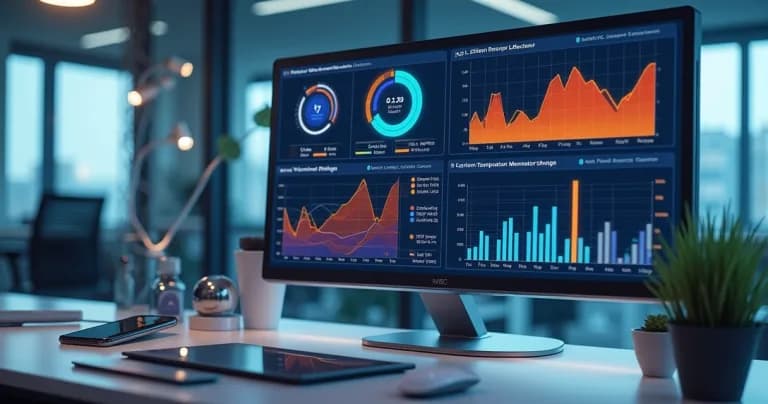
I have closely followed several situations where a simple information delay caused enormous losses in sensitive inventory. It's natural; anyone working in the pharmaceutical, vaccine, or food segment knows how fragile the supply chain can be. Often, the smallest oversight – a brief refrigerator failure, for example – results in unacceptable losses and highlights the need to invest in better solutions.
Supply safety begins with environmental control.
Why track supplies in real time?
Since I began studying this subject, I realized that the secret lies not only in proper storage, but mainly in continuously monitoring conditions with maximum available precision. Supplies like vaccines must always remain within the recommended temperature range. Even a small deviation can render an entire shipment unusable.
Real-time tracking reduces loss risk and responds quickly to any anomaly, preventing waste and improving not only profitability, but also confidence throughout the entire chain.
The most common failures in traditional tracking
We often hear about analog thermometers, manual spreadsheets, and sporadic records kept by employees. All of this was once standard, but honestly, it didn't keep pace with today's challenges.
- Forgetfulness or distraction when filling out records
- Human errors in temperature readings
- Equipment with sensors lacking proper maintenance or calibration
- Lack of integration between logistics stages and storage
There are competitors offering automated systems, but I notice in practice that many still fall short in predictability and usability. At DROME, we enhance safety by combining IoT, prediction, and automatic reporting.
How to establish an efficient tracking standard?
When I discuss this with industry professionals, there's almost always consensus: it's not enough to place a sensor and wait for alerts at the slightest deviation. Real benefit emerges when the entire chain is connected by a solution that provides real-time reading, intelligent data analysis, and automatic responses. Let's look at some important steps:
- Identification of critical points: Start by analyzing which stages of the chain carry the highest risk of loss due to thermal or logistics failures. This includes transport, storage, and final delivery.
- Sensor and connectivity selection: I always recommend investing exclusively in high-precision sensors with constant maintenance and calibration. Connectivity must be fail-safe – long battery life, backup, and redundant communication if necessary.
- Real-time monitoring: Monitoring must be uninterrupted. Easy-to-read dashboards are mandatory so quick decisions can be made if needed. I usually recommend systems that alert automatically through multiple channels: SMS, email, apps, and others.
- Data storage and audit: There's no way to fully trust processes that don't present detailed history. It's essential to keep all records, allowing you to trace each monitored batch.
- Predictive analysis: This is where DROME's major differentiator comes in. By anticipating failures, predictive analysis ensures that the first anomaly doesn't go unnoticed, preventing losses and protecting supply quality.
- Team training: Technology only makes sense with prepared staff. Beyond training them on usage, I recommend fostering risk awareness and responsibility at each stage.
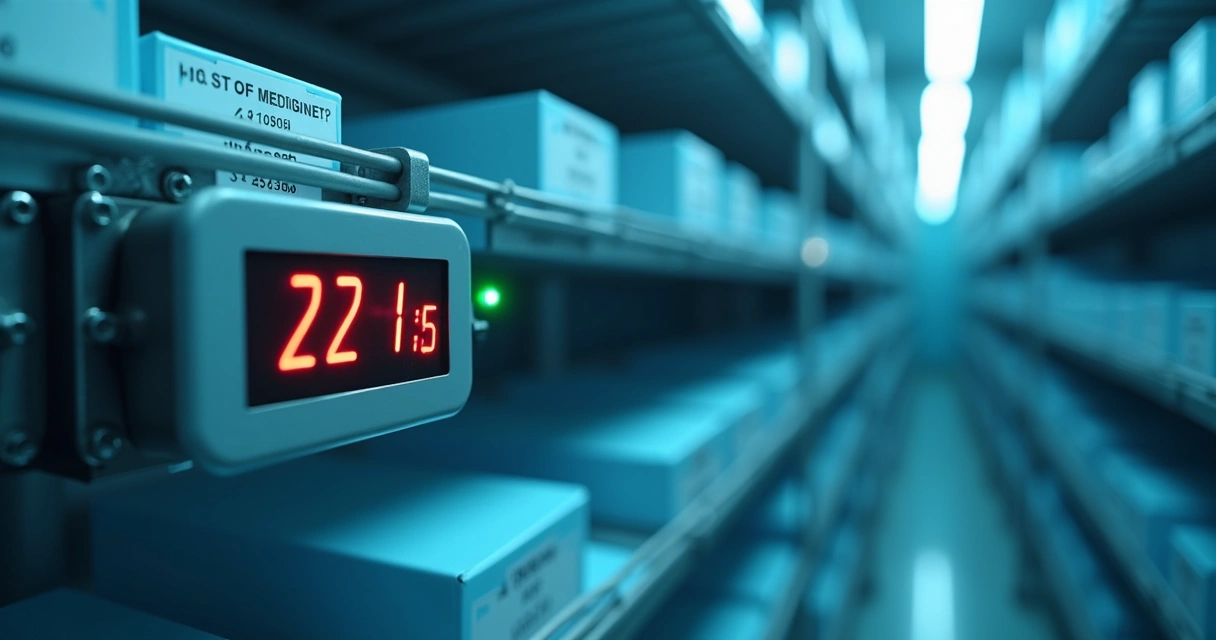
How does DROME technology differentiate itself?
I'd like to report that I've encountered other platforms, but I feel some fall short, whether in analysis sophistication or ease of use. At DROME, beyond continuous monitoring, the system is far more proactive. There aren't just alerts – it seeks behavioral patterns in equipment and recommends actions before failures appear.
Additionally, managing sensor calibration makes all the difference. DROME alerts about deadlines, documents the entire process, and maintains traceability. This greatly facilitates any audit, removing that old fear of losing reports or misplacing records.
Another relevant detail: automatic report generation greatly simplifies response during inspections or improvements to internal processes. With just a few clicks, I can view the entire supply routine, even identifying improvements for the future. I've seen few competitors delivering predictive analysis combined with calibration management in a single dashboard. And honestly, that's what attracted me most.
Impact for companies and public health
Reducing waste, as I've addressed in other texts, means preserving resources and, above all, caring for people. I'm troubled by news of vaccines or medications discarded due to simple failures. Systems like DROME help not only prevent this scenario but create an environment of trust throughout the entire supply chain.
Beyond protecting assets, real-time monitoring reduces contamination risks, delays, and rejections. Not to mention the environmental impact, as fewer discarded supplies means less hazardous waste released.
For those wanting to delve deeper into this scenario of exposure and losses from human failures, I suggest reading the article "How to reduce losses in temperature-sensitive supplies due to human failures", which complements this topic well.
Key best practices for ensuring reliable tracking
- Automate whenever possible. Eliminate the risk of forgetfulness and manual error.
- Ensure all sensors are calibrated and approved for intended use.
- Conduct periodic tests on the alert system. It's common to find alarms that failed due to incorrect adjustments.
- Maintain data backups in the cloud.
- Train teams regularly to update knowledge and behaviors.
- Implement a preventive maintenance policy for monitoring equipment.
- If possible, integrate all traceability from origin to final destination on the same platform.
- Conduct internal and external audits, documenting any adjustments made to processes.
Reliable data is the foundation for safe decisions.
Those interested can learn more about technological integration in the pharmaceutical chain in how monitoring technology revolutionizes pharmaceutical management.
How to start real-time tracking using DROME?
I understand that migrating from manual control to an automated platform may seem complicated at first. However, DROME's entire configuration was designed to be intuitive. The process follows this path:
- Request for environment analysis and critical points with DROME support.
- Sensor installation according to need and network functionality validation.
- Configuration of notification flows according to client routine.
- Initial team training, accompanied by simple manuals and videos.
- Customization of reports and dashboards to facilitate daily monitoring.
- Scheduling calibration and audit routines using DROME's own dashboard.
For those thinking about expanding traceability to transport and logistics, it's worth checking other recommendations on intelligent logistics and monitoring.
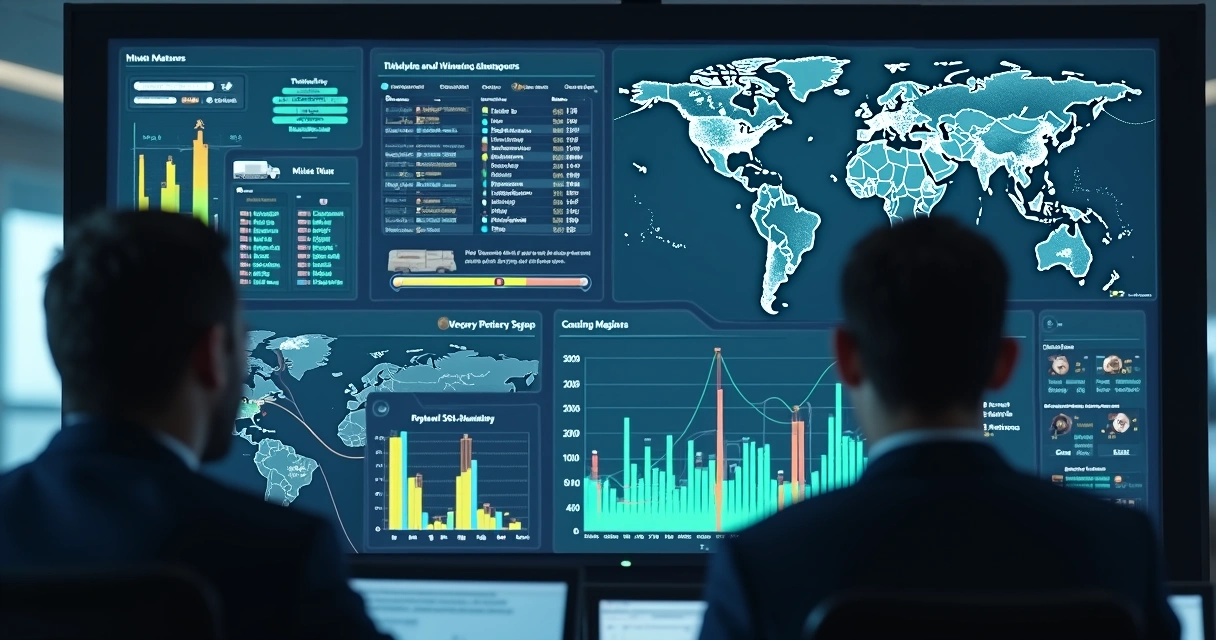
Where does predictive analysis make the difference?
I've always been a fan of anticipating problems, so for me, predictive analysis in DROME is the key point. The system identifies anomaly trends and predicts failures, enabling corrective measures before supplies are at risk. This goes far beyond simply issuing alarms; it's like seeing the future of the supply chain.
To understand in detail how this works, I recommend reading about predictive analysis applied to supply loss prevention.
Conclusion: how to advance in protecting your supplies?
No one wants to face losses due to distraction or equipment failure. Real-time tracking is a reality and, in my opinion, more accessible than ever. I've witnessed companies that, after implementing DROME, drastically reduced losses and gained peace of mind in dealing with both audits and daily logistics.
If you also seek to advance your inventory safety and ensure quality throughout the process, I recommend learning more about DROME solutions. Request a demonstration, speak with our support team, and bring your needs. After all, protecting supplies is, first and foremost, protecting lives and the future.