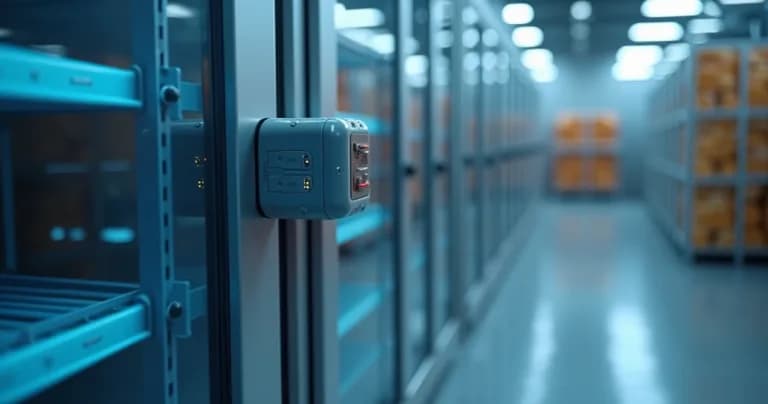
When I visited my first cold storage facility over a decade ago, I realized that daily challenges went far beyond keeping the environment cold. There are rigorous standards to follow, quality controls, and above all, risk management that is nearly invisible to those who don't work in the field day to day. It was in this controlled yet surprising environment that I began to notice how autonomous sensors and intelligent technologies were changing everything.
What are autonomous sensors and why do they go beyond the thermometer?
In my studies and visits to cold storage facilities, I always hear about temperature sensors. But autonomous sensors are not limited to that. They operate independently, with minimal maintenance needs, and can connect via IoT (Internet of Things) networks. They monitor multiple parameters simultaneously: humidity, vibration, door openings, gas levels, and even light variations.
While traditional sensors focus on a single variable, autonomous sensors can expand control and reduce human error.
DROME is an example of how this broad approach can make a difference. Our SaaS platform connects autonomous sensors to predictive analytics and artificial intelligence systems, delivering real-time responses to situations that would have previously gone unnoticed. This reduces waste and, most importantly, strengthens the safety of stored food and medications.
Did you know about these lesser-known applications?
A striking scene I witnessed: a cold storage facility had to discard dozens of boxes of meat after an imperceptible failure. All because a door was left slightly open overnight. This could have been prevented if there had been a system to monitor this variable, something beyond simple temperature.
See some lesser-cited applications I've observed:
- Vibration monitoring in compressors to anticipate mechanical failures
- Detection of CO2 and other gas levels for safety and quality
- Autonomous recording of door openings to identify operational deviations
- Cross-referencing environmental data with operating hours for energy efficiency
This comprehensive view is not yet common in the sector, but it makes all the difference. Plus, integrated with AI, each data point becomes a lever for faster and safer decisions. A good summary of this can be found in how artificial intelligence predicts failures in cold chambers.
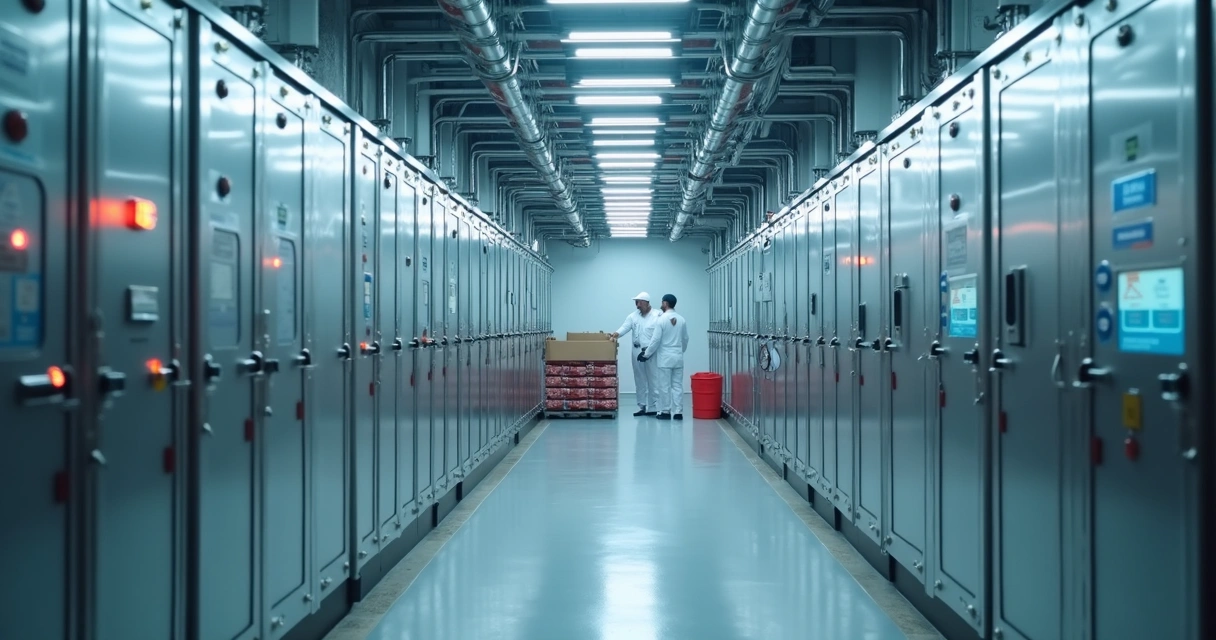
How do autonomous sensors reduce waste in cold storage facilities?
I've witnessed hidden losses that only appear in end-of-month audits. The reason often comes from carelessness in small operations: that door left slightly ajar, the compressor vibrating strangely, or humidity out of standard.
With autonomous sensors connected to DROME, the scenario changes:
- The system sends automatic alerts directly to the manager, wherever they are.
- Data is saved in the cloud, ready for compliance reports.
- Predictive analysis can show risks before they become real losses.
Losing meat due to a preventable failure no longer makes sense.
I've seen other solutions on the market focusing only on temperature alarms. However, this is limited when compared to the control of multiple variables, detailed histories, and integration with artificial intelligence that I find in DROME. This is what cold storage facilities need if they want to stop acting only in emergencies.
Sensors and public health: why go beyond basic control?
Meat, vaccines, medications: all of this can be lost or become a public health risk if control fails. I've written about the importance of the cold chain for meat quality and I see how much sanitary requirements have increased. And they don't just look at temperature: they demand traceability, clear reports, and most importantly, quick responses.
Autonomous sensors also assist in audits, as they collect precise and continuous data, including sensor calibration. DROME, for example, automates reports and organizes the calibration process, saving managers hours and eliminating risks of failed manual records.
Which sensors make a difference beyond temperature?
I admit that at first I also only thought about temperature. But as I learned more about the daily routine of the cold storage facility, I realized the value of monitoring different points:
- Door opening sensors: Point out where there are routine deviations, essential to avoid invisible losses.
- Humidity sensors: High humidity can damage meat and equipment.
- Gas presence sensors: Worker safety and alert for dangerous leaks.
- Vibration sensors: Enable predictive maintenance before a compressor stops, ensuring greater operational safety.
Monitoring all of this manually is impossible. That's why integrated solutions like DROME change the game, delivering control, history, and real-time analysis.
Adoption challenges: what I've seen working and what holds it back?
I've consulted with managers who think autonomous sensors require high investment or complicated technical knowledge. But in my daily contact with cold storage facilities, I see that the right platforms change this reality. With wireless devices, simple installation, and intuitive dashboards, the entire team can be part of the routine of monitoring and acting.
Another point: some cold storage facilities use expensive foreign solutions that offer less adaptability to the Brazilian context and don't bring native predictive analysis. When compared to the intelligence behind DROME, they end up falling short. Here, beyond monitoring, the system learns from data and suggests practical actions before the problem happens, not after.
Investing in autonomous sensors is saving where it hurts most: in waste and fines.
Real cases and invisible impact
In a recent conversation, a manager reported how door opening sensors helped reduce losses by 20%. Another, who started using vibration sensors, was able to predict compressor shutdowns that impacted the entire operation on weekends. These cases show a trend: the more variables I monitor, the greater the chances of saving time, product, and reputation.
If you want to follow IoT solutions applied to the sector, I recommend visiting the section on articles about internet of things in cold storage facilities and keep an eye on trends that are already becoming reality in the national market.
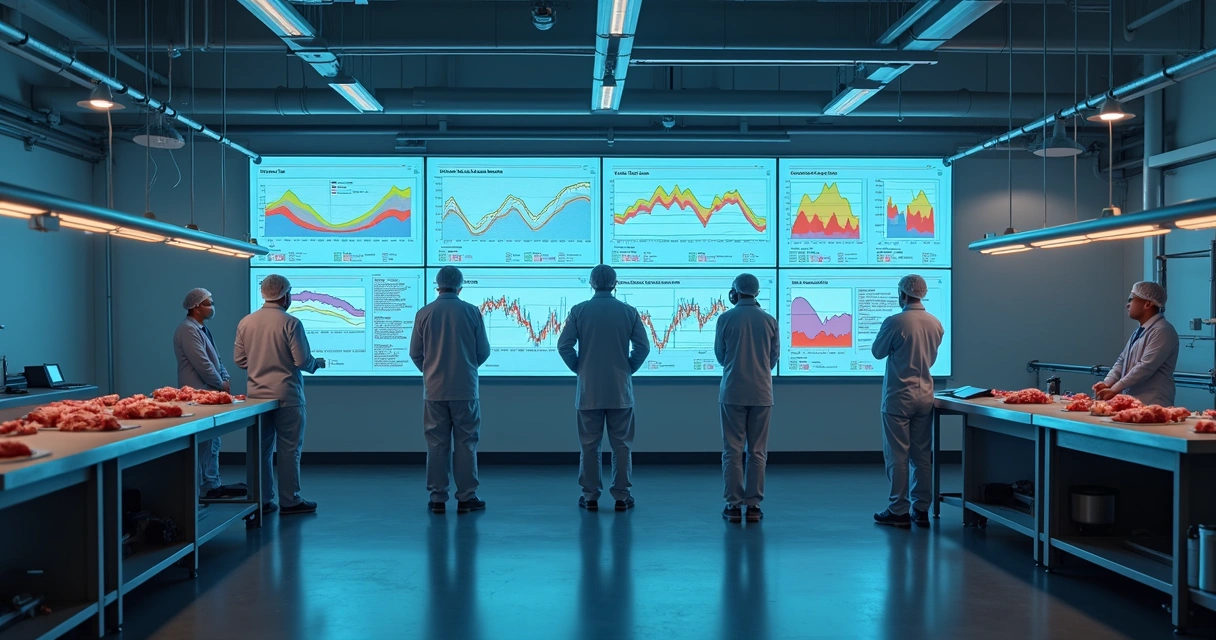
Integration with IoT and real-time monitoring
I can't fail to highlight that monitoring everything manually is no longer necessary. If you want to know how to implement this automation and simplify management, see this category on intelligent monitoring, where I report experiences from those who have already moved to the next level with autonomous sensors combined with Internet of Things.
The cold storage sector will only advance if it keeps up with this evolution, using data and AI. And that's what DROME delivers: integration, agility, and precise alerts.
Final considerations: which path to follow?
Autonomous sensors allow you to see what previously went unnoticed in cold storage facilities. From small failures to enormous waste, everything can be controlled if reliable information is available. And here comes DROME's differentiator, combining multiple variables, automatic reports, failure prediction, and complete audit support.
If you want to learn other ways to improve your control in cold chambers or deepen your understanding of common cold chain errors, I suggest reading this analysis on how to avoid errors through temperature monitoring. Whenever I see a manager shifting to a data-driven decision culture, I notice that losses decrease and confidence increases.
The time has come to transform your cold storage facility's control. If you want to reduce waste, increase safety, and save time, try DROME and see how intelligent automation can be an ally in your daily operations.