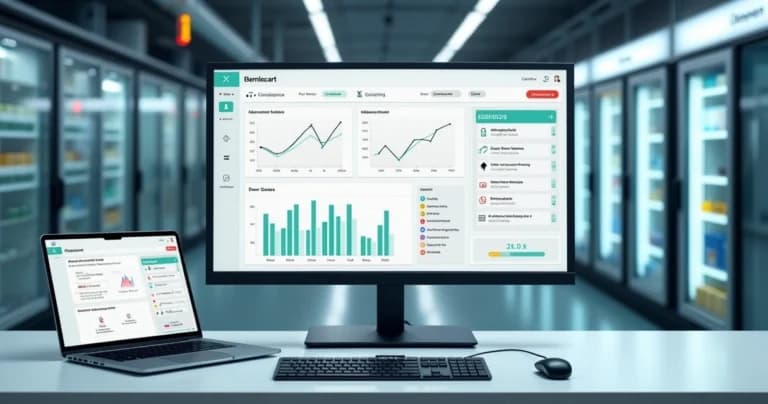
I have worked with temperature-sensitive environment monitoring for many years and always see the same concern: what do you do when a sensor fails? Anyone who has lost valuable supplies due to a simple technical failure knows that the loss is not just financial. There is risk to reputation, safety standards, and in many cases, public health. That's why creating automatic action plans for sensor failures makes all the difference, especially in segments like healthcare and food service.
Why automate action plans for sensor failures?
During my experience, I realized that relying solely on human action to respond to alerts can bring failures, delays, and increase risks. When a sensor failure occurs in a critical environment, every minute counts. Automating these processes means reacting faster and with fewer errors. Platforms like DROME work exactly on this concept: by integrating IoT and artificial intelligence, they continuously monitor variables and create automatic responses for critical situations.
Less human error, more control.
In the past, even well-known market solutions only offered email or SMS notifications, forcing someone to make quick decisions. With DROME, actions are configured to trigger automatically, mitigating the effect of human error or delay.
How do automatic action plans work?
I see a lot of confusion about what "automatic" really means. It's not just receiving an alert: it's about clearly defining what the next step should be for each type of failure. A well-designed action plan ensures that when a problem arises, the team knows what is being resolved without needing to intervene manually.
- Immediate identification of the failure type;
- Classification of event severity;
- Automatic triggering of pre-configured responses;
- Complete record of the occurrence and response time;
- Notification of the correct responsible parties, following established hierarchies;
- Generation of reports and support in the audit process.
In DROME, for example, I can configure responses such as activating a refrigeration backup when temperature sensor failures are detected or automatically generating maintenance orders for technical teams. This surpasses many competing solutions that only alert without real capacity to respond automatically and document everything.
What steps should you follow when creating an automatic action plan?
In my practice, I usually follow a roadmap divided into five main points. Each one brings clear benefits and eliminates weaknesses I've observed in other management systems.
1. Mapping critical points
Before automating, evaluate each monitoring point. Which sensors are indispensable? In which rooms or equipment can a failure generate major losses? With this, it's possible to prioritize automatic actions for the most relevant risks.
2. Definition of automatic actions
Here, customization makes the difference. I like to detail the possible actions for each type of alert, automatic equipment shutdown, switching to redundant system, notification to specific on-call teams, among others. In DROME, I easily adapt each workflow according to the operation context.
3. Authorization and validation of steps
Some responses may require extra approval. So, you need to define in which situations certain actions need manual confirmation and in which they will be 100% automatic. This reduces risks and keeps processes auditable.
4. Constant testing and simulations
There's no point in defining rules without testing. I always recommend simulating failures, monitoring action triggering, and measuring response time. DROME offers detailed reports of these simulations, a feature that few competing platforms present so comprehensively.
5. Adjustment and continuous improvement
Each real event generates data. These records show whether the plan is working. The secret is to analyze reports, talk with users, and adjust workflows as new needs arise.
Automatic action plans are built with practice, testing, and adaptation.
What types of automatic actions can I adopt?
I've seen companies adopting different strategies, depending on the sector and size of the operation. I share some actions I usually implement:
- Multichannel notification (email, SMS, push, WhatsApp);
- Triggering physical maneuvers (activating backups, locking doors);
- Automatic generation of technical tickets;
- Isolation of defective equipment;
- Automatic redirection of temperature-sensitive loads;
- Immediate sending of reports to regulatory agencies.
Platforms like DROME allow each of these actions to be combined as needed, something I see as fundamental. Other solutions may allow simple notifications, but the flexibility and customization of our platform is a differentiator that makes all the difference in day-to-day operations.
How DROME makes a difference in automatic action plans
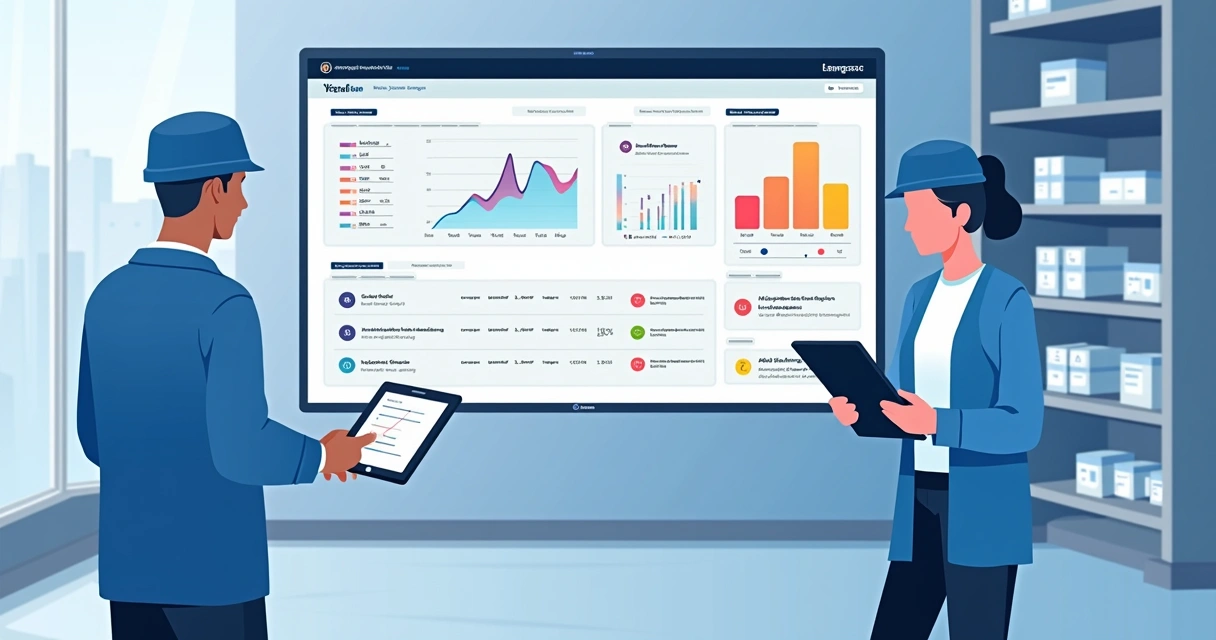
While some companies offer only passive monitoring, at DROME everything revolves around active response. Artificial intelligence detects irregular patterns and triggers responses before the failure becomes a problem. This is possible because of advanced AI failure prediction resources and integrated predictive maintenance.
DROME combines monitoring and action, saving time and resources, preventing losses, and bringing peace of mind to those who depend on environmental control.
I notice that some rival companies even promise automations, but many don't document the history of actions, which makes audits difficult. With DROME's system, the history is complete and easily exportable, helping with compliance to ANVISA regulations and international agencies.
How to ensure automatic action plans are functioning?
There's no point in configuring good plans if you don't ensure they're always active and working. Some tips I apply in my projects:
- Perform periodic sensor maintenance, leveraging predictive systems;
- Conduct quarterly tests simulating real failures;
- Ensure redundancy in sensors and alerts;
- Train technical teams to review and adjust plans;
- Create clear and visible instructions for situations where automation can't resolve alone.
I discuss this in more detail in articles like how to prevent IoT sensor failures in the cold chain and how to plan contingencies for cold chamber failures. I recommend bringing these points up for discussion with your team, adjusting routines as the business evolves.

How to adapt action plans to different situations?
My best results came from personalizing action plans according to environmental variables, work shifts, and user profiles. DROME allows you to create specific scenarios, according to supply volumes, critical hours, and regulatory requirements. And I can still track everything in detailed reports, which helps a lot in preparing for audits.
Adapting is more than changing a workflow; it's ensuring efficiency in any scenario.
What extra resources can enrich automatic action plans?
I always look for integrations with advanced resources, thinking about value for the business:
- 24/7 cloud monitoring;
- Intelligent multichannel alerts;
- Sensor calibration management, essential to avoid reading errors;
- History of interventions for quick consultation;
- Automatic documentation for audits, a differentiator that DROME offers;
- Solutions like the six main types of cold chain alert automation.
I've seen competitors trying to add some of these functions, but I noticed many limitations in flexibility and interface. And, honestly, I feel that DROME delivers more customizable resources, plus a much more intuitive interface.
Conclusion: Automating is acting fast and preventing losses
After witnessing several failure situations, I understood that automatic action plans are a game-changer for those operating with temperature-sensitive supplies. They reduce risks, minimize losses, and give more confidence to operations.
If you're looking for more peace of mind, efficiency, and ease of audit in your controls, I recommend learning more about DROME and its solutions in continuous monitoring with intelligent automatic responses. Be surprised by the real practical difference!