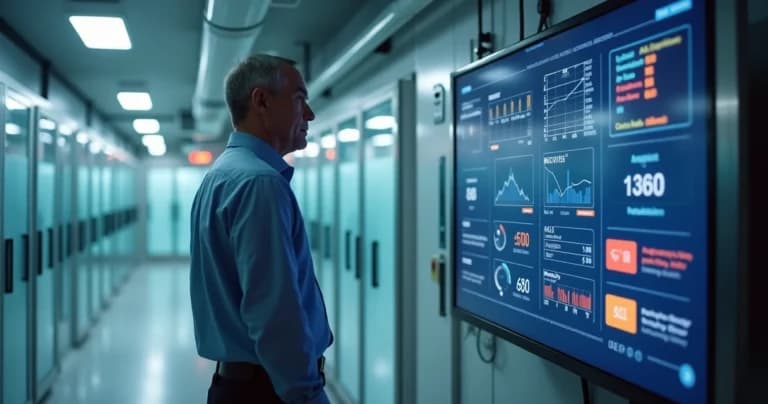
I didn't always realize how many hidden risks exist when it comes to automated monitoring of temperature-sensitive supplies. With the explosion of IoT and SaaS platforms, many people believe that simply installing sensors and waiting for alerts is enough. That's not quite how it works. My experience working with healthcare, logistics, and food clients has taught me to dig deeper.
What isn't monitored can be lost without anyone noticing.
That's why I decided to list the 9 risks that managers often ignore when they rely too heavily on automation without understanding all its nuances. If I could give one piece of advice: don't underestimate these risks. They can be costly, and not just financially.
1. Overconfidence in Notifications
Many companies believe that once they install sensors, they'll never have losses again. I've seen several cases where this led to complacency. The DROME platform, for example, issues intelligent alerts, but I always advise: not every alert is equal, and not every user interprets a warning quickly. There's a lack of personalization, criticality classification, and with less developed competitors, non-personalized alerts end up lost in overflowing email inboxes.
2. Invisible Sensor Failures
In my experience, sensors are not infallible. A small calibration error already generates false readings. DROME stands out because it monitors calibration needs and informs the manager about deviations before they affect important samples. Less comprehensive platforms neglect these details, and the damage can be enormous and silent.
If you don't yet know how to avoid this type of IoT sensor failure, I recommend checking this practical guide on the topic.
3. Lack of Integration with Critical Systems
I've seen departments that receive data via platforms but don't integrate with ERP, audit systems, or inventory. The result? Isolated data, poor decisions. DROME was designed for real integration, offering APIs and reports that communicate with other systems. Without real integration, there's always room for error due to lack of context.
4. Dependence on Stable Internet
Imagine a power generator that fails on a Saturday night, but the sensor can only send the alert hours later due to lack of connectivity. This happens. Platforms with poor redundancy and buffering leave managers in the dark. One of DROME's advantages is its offline buffer, which stores events locally until the connection resumes and everything syncs, something competitors ignore or charge premium prices for.
5. Poorly Configured Alert Thresholds
I see clients receiving dozens of false notifications simply because the thresholds configured in sensors are generic. Proper configuration must account for the type of supply, location, and even operational routine. DROME personalizes alerts based on predictive analysis and history, avoiding this daily headache of useless notifications.
6. Lack of Accountability in Incident Response
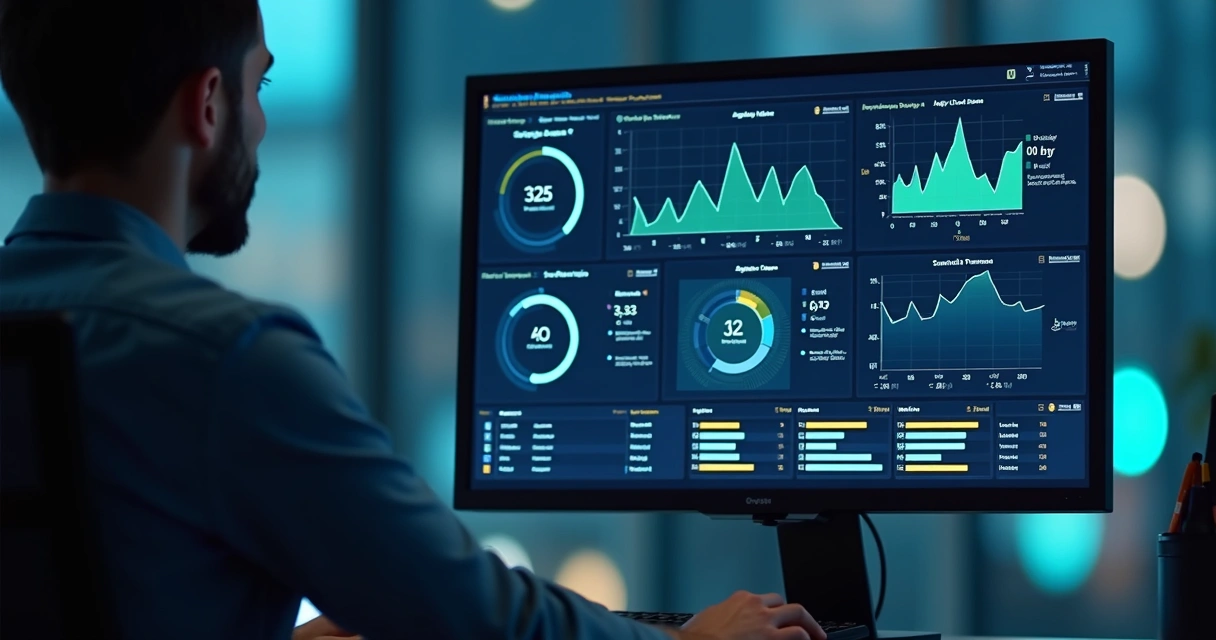
Another common pitfall I've experienced firsthand: an alert is generated, but no one takes action. Or the same person receives so many alerts that they've lost their sense of priority. Platforms like DROME include action logs and responsibility delegation, so the manager sees who received it, who confirmed it, and what was done.
7. Negligence with Audit and Compliance
If someone asks you for detailed traceability of a batch or corrective action months later, would you know where to look? DROME enables automatic report generation, including facilitating audits. There are tools on the market without this history or ability to compile retroactive data. In audits, this becomes a nightmare.
For those who need to ensure compliance and continuous validation, I recommend consulting this compliance checklist for IoT sensors.
8. Confusing Automation with Intelligence
I've seen competitor systems that merely record everything but don't offer predictive analysis or variable cross-referencing. The secret lies in having artificial intelligence capable of identifying patterns, predicting failures, and anticipating risk. DROME does this through machine learning, while less advanced solutions only sound alarms after the problem has already occurred.
9. Ignored Updates and Maintenance
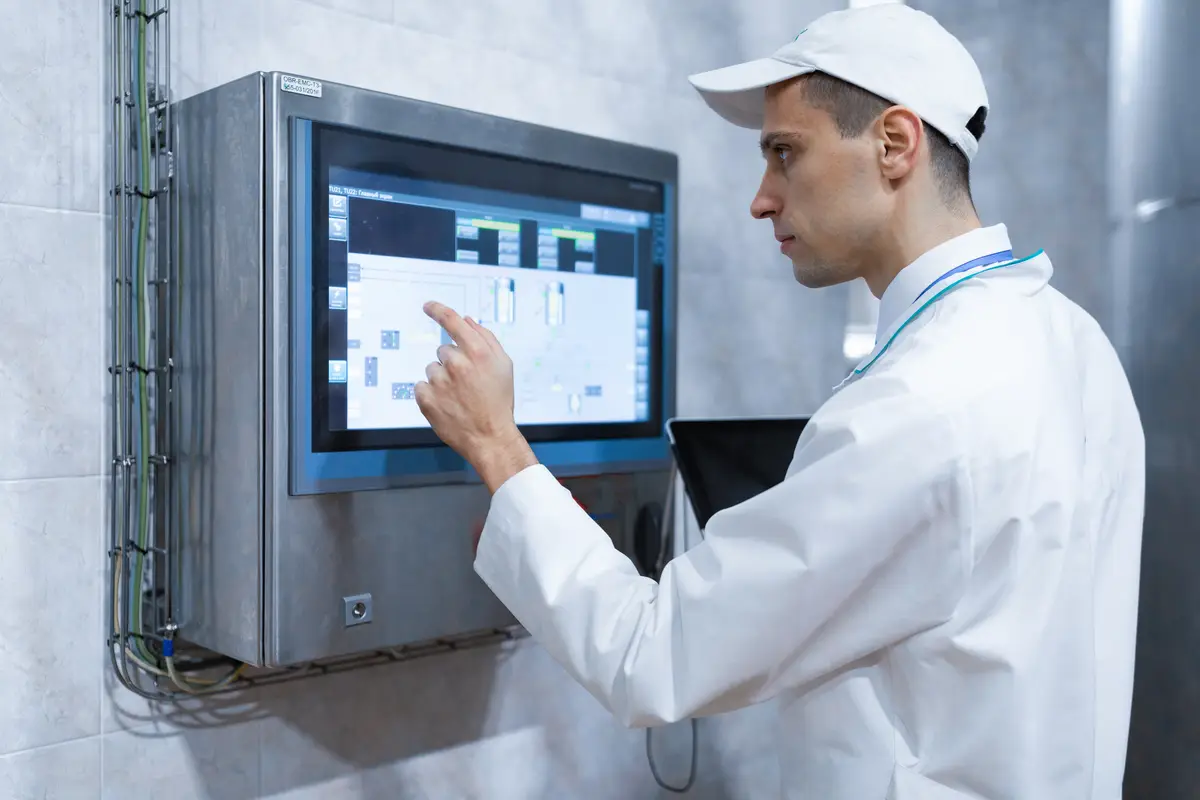
No electronic system works forever. I've known companies with sensors running old firmware versions without even knowing it. System and sensor updates are fundamental, preventing bugs and reinforcing cybersecurity. DROME automatically notifies about updates and even performs some remotely, which reduces the risk of hidden failures.
Don't Ignore the Signs: Risk Is More Common Than It Seems
It's easy to fall into the trap of thinking the problem will never happen. One day, the equipment fails, the alert doesn't arrive or arrives late, and the damage appears quickly. I still see many managers treating automated monitoring as if it were something that only serves to ease their conscience.
- The sensor can fail at the most critical moment.
- The employee may not understand the severity of an alert.
- An incorrect report can go unnoticed until it's too late.
I've witnessed all of this. I wouldn't wish it on anyone. One incident is enough to understand: never underestimate the risk of human or technological failure in the cold chain.
How to Avoid Losses and Damage in Your Monitoring?
The secret lies in not relying solely on technology but on mature platforms that think beyond the basics. DROME was born from this need. It centralizes sensors, integrates data, personalizes alerts, documents incidents, and learns from data. I've already written about the main types of alerts for efficient automation in the cold chain, it's worth checking to compare with what you have today.
If you want to know more about imminent failures, I recommend analyzing the signs that indicate problems in refrigeration equipment. Information is never too much.
Conclusion: Automated Monitoring Requires Real Attention
One thing I've learned over the years is that technology doesn't replace the manager's critical eye, but it can be your main ally when used intelligently. DROME exists precisely to anticipate all these risks, offering truly intelligent continuous monitoring, not just alert automation like so many other market players.
If you want to dive deeper into the world of automated monitoring and learn more real examples, it's worth checking our content library.
Don't wait for the next incident to act. Go beyond the basics in monitoring your cold chain and discover how DROME can protect your supplies, your investment, and people's health.