
When I think about the logistics routes of clients I've worked with, one challenge always repeats itself: how do you ensure that, even on long and complex journeys, important alerts really arrive at the right moment? I was surprised by the number of companies that still rely on manual processes for monitoring temperature-sensitive shipments. It only took one human error or equipment failure and the loss became inevitable.
That's when I understood the transformation delivered by platforms like DROME. Automatic monitoring, data cross-referencing, artificial intelligence, and an intelligent way to handle issues before they escalate. I want to show you here in a very practical way how I apply alert automation and how I recommend you do the same, especially if you deal with complex, high-volume, and high-risk logistics chains.
Why is alert automation a game-changer?
I often say that relying on phone calls, WhatsApp messages, or "watchful eyes" leads to quality loss and stress, and this isn't assumption—it's lived experience. Automation transforms raw data into actionable signals that arrive before damage occurs. On a complex route, crossing multiple cities and stops, no human control room can handle the volume and precision that only machines guarantee.
In the context of sensitive inputs like vaccines, medications, or refrigerated foods, reaction time is too short for any hesitation. I've seen cases where delayed response to a technical failure cost tens of thousands of dollars. Since I started using robust platforms like DROME, the scenario changed—with automatic alerts, detailed reports, and predictive monitoring, I've drastically reduced risk exposure.
What types of alerts should you automate?
If I had to bet where the biggest automation benefits lie, I'd say it all starts with choosing the right types of alerts. On a complex logistics route, I'd recommend paying attention to at least these points:
- Temperature and humidity deviation or breakdown outside standard ranges;
- Failure in doors or seals of vehicles transporting sensitive inputs;
- Unscheduled stops or route deviations in transport;
- Loss of sensor signal and connectivity issues;
- Pending sensor calibration events;
- Available power alerts or battery levels in IoT devices;
- Preventive maintenance warnings (predicting failure, not just reacting to failures).
These points are detailed in the article on the essential types of alert automation for the cold chain. In my day-to-day work, defining these parameters clearly is the initial step of any serious logistics automation.
Step-by-step guide to creating efficient automation
- Map the journey and its critical points Before any technology, I do a detailed mapping of each route's stages. I identify critical points where temperature breakdown, delays, blockages, or technical failures are most likely. This determines locations for sensor and camera installation, and points for alert configuration.
- Install quality sensors and connectivity I've encountered companies that cut corners on sensors and lost much more in cargo damage. Robust IoT sensors with good range and long-lasting batteries are essential. I prefer solutions like DROME, which help manage calibration and predictive maintenance to avoid blind spots.
- Configure intelligent alert algorithms Advanced platforms offer artificial intelligence that anticipates failures and learns from historical patterns. I adjust personalized triggers: for example, if a door opens outside pre-defined hours, I receive an alert. If a route undergoes unexpected changes, the system signals instantly.
- Define clear notification channels Instead of relying only on traditional emails (which many people ignore or receive late), I can now receive alerts via SMS, WhatsApp, apps, or visual dashboards. I'd strongly recommend defining priority between alert types to avoid overwhelming the team with irrelevant information.
- Train the team for rapid response The automated alert arriving isn't enough. It needs to be understood in seconds and generate effective action. In my experience, simulated response processes and clear checklists make all the difference. On platforms like DROME, I can delegate alerts to different responsibility levels, which speeds up decisions under pressure. I recommend reviewing this content on preparing teams for rapid response to IoT alerts.
How intelligent systems reduce errors and waste
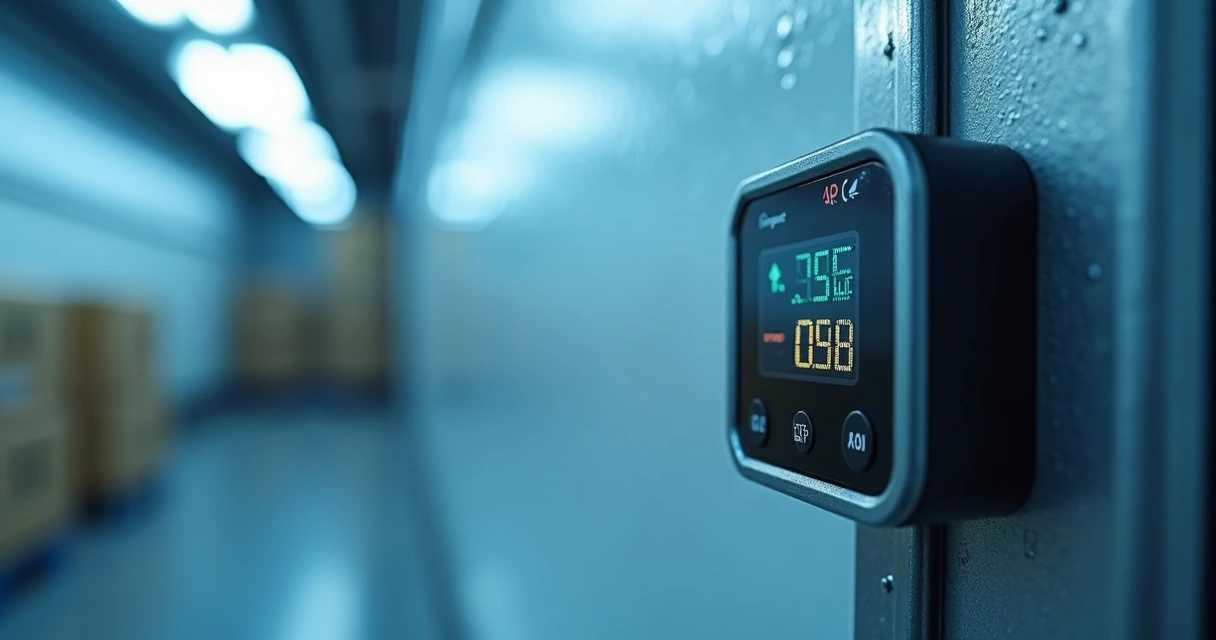
Initially, I admit I was hesitant about implementing intelligent algorithms in logistics monitoring. It seemed too sophisticated for daily operations. But my perception changed quickly when comparing results: high loss rates from undetected failures in manual environments, nearly zero in automated operations.
Information at the right time saves thousands of dollars per route.
What makes DROME my preferred platform is the integrated use of failure prediction, calibration automation, and audit-ready reports. It doesn't help, for example, to only identify temperature breakdown. Knowing how to predict trends, like declining efficiency in a particular sensor, allows you to act before disaster strikes.
While simpler tools focus on reactive alarms, DROME goes further. It delivers detailed reports, integrates different data types (temperature, humidity, location), and has intelligent mechanisms to alert only those who can actually solve the problem.
Platform and internal system integration
I'm often asked about the compatibility of these solutions with systems already used in companies. Integration is essential. In DROME, I see ease in connecting automatic alerts to the ERP system, internal monitoring center, or even apps already used by the field team.
I also mention the ability to generate automatic reports that serve both routine operations and meetings with regulatory bodies or audits. This saves time and reassures managers, as documentation is always generated in real-time with complete traceability.

I've already compared DROME with some competitors offering monitoring solutions, but many still lack advanced audit reports or predictive sensor integration. I know some may cite conventional platforms, but honestly, for temperature-sensitive logistics, I've never seen anything as complete as DROME.
Reducing costs with logistics route automation
Another practical point: cost. Whenever I talk with directors or cold chain managers, one question appears: "Will alert automation really help cut expenses?" The answer is yes, and it's possible to calculate this in the reports of advanced platforms. I've consulted concrete examples in the article on reducing operational costs in the cold chain.
The secret is preventing small failures from becoming big problems, avoiding waste and discarded products. Not to mention savings on labor dedicated solely to manually monitoring data. Automating alerts cuts invisible costs and creates a safer environment for everyone.
How to plan contingencies to prevent losses?
Even with an automated and reliable system, I never skip contingency planning. I conduct periodic audits, review response flows, and always maintain updated contact lists. Platforms like DROME support designing automatic responses, documenting decisions, and creating redundancies in the most critical sensors.
I recommend reading about contingency plans for failures in cold rooms and routes, because a good plan combined with alert automation minimizes losses even in crisis situations.
Tracking indicators and continuous improvement
I like working with visual performance indicators, such as quantity of critical alerts, average response time, and failure rates. Using platforms like DROME, these data are displayed in real-time analytical dashboards.
With each project, I hold regular meetings to review received alerts and discuss improvements in workflows. This makes a huge difference in team culture. By transforming alerts into learning opportunities, logistics becomes much safer and more reliable. In larger operations, I recommend diving deeper into the article on cold chain monitoring for vaccines and medications to see practical examples of indicators that make a difference.
Conclusion: the next step in intelligent monitoring for complex routes
After so much testing and practical learning, I always advocate for alert automation as one of the pillars of any modern and reliable logistics operation. There is no route too complex for the right technology, as long as people and processes keep pace.
If you want to reduce losses, keep your team confident, and achieve operational excellence, I strongly recommend learning more about DROME. Test our platform, see the differentials in monitoring critical variables, and prepare your team for the future of intelligent logistics.