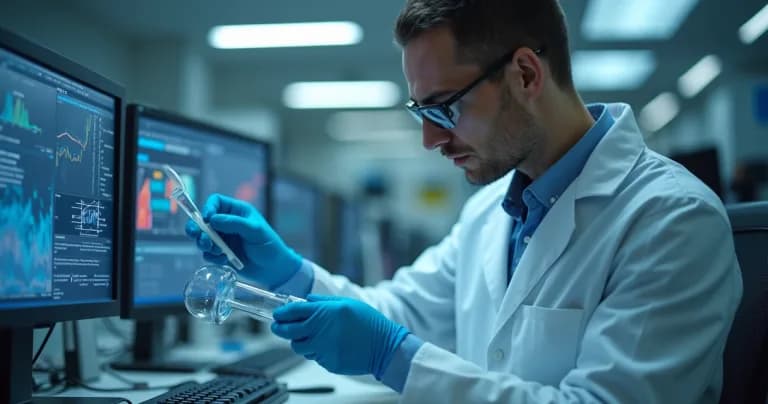
I have closely followed the inner workings of the pharmaceutical industry. In this universe, every step must be monitored, recorded, and audited. When I talk about instrument calibration, I notice that many people still associate it only with compliance or paperwork. But from my experience, calibration is not just about following rules. It is about protecting lives, anticipating losses, and maintaining reputation. That is why I want to share my experiences with auditing calibration processes, including common mistakes and how technology can save us from chaos.
What does calibration really mean in the pharmaceutical industry?
Calibrating equipment means comparing and adjusting instruments by measuring an internationally accepted reference standard. I always emphasize:
It is not just a routine adjustment, it is a rigorous process to ensure that measurements are reliable.
In the pharmaceutical segment, calibration involves control panels, environmental sensors, refrigerators, incubators, and countless devices used to store or produce medications.
In practice, calibration ensures compliance with quality limits required by regulatory agencies and safeguards the integrity of inputs.
Why do auditors focus so much on calibration processes?
When I conduct audits, I notice that much revolves around traceability, documentation, and prevention of human error. A poorly calibrated sensor can invalidate an entire batch of vaccines, for example. And yes, I have seen such cases. Additionally, documenting each adjustment is essential to respond to inquiries from agencies like ANVISA and ISO.
The roadmap of a calibration audit
An audit is only frightening for those who do not prepare. Generally, I follow a well-defined roadmap:
- Analysis of the current calibration plan (frequency, scope, and responsible parties)
- Verification of calibration certificates (authenticity and validity)
- Checking metrological traceability
- On-site observation of methods and practices (how measurements are actually performed)
- Interviews with operators and technical managers
- Functional tests (practical evidence that equipment operates as described in records)
Experience has taught me that even when everything is in order on paper, the problem lies in small details: a delayed record, a forgotten sensor, or a skipped routine "just this once."
Common errors detected in calibration audits
I share some of the mistakes I have seen happen, which turn audits into real "tight spots":
- Lack of standardization in calibration records (this opens loopholes for questioning and non-conformities)
- Use of instruments past their calibration due date
- Poorly documented processes with no clear traceability
- Operators without specific training on proper equipment use
- Sensors installed in inadequate locations, compromising reliability
- Lack of frequent monitoring of environmental conditions
These points always appear, and honestly, I have even seen large companies stumbling over them. Part of this problem could be avoided with modern platforms like DROME, which centralizes reports, monitors sensors in real time, and alerts about pending calibrations – this also provides greater security for rigorous external audits.
How does documentation influence the audit?
Weak documentation is an invitation for citations, even when practical work is good.
In my career, I have found companies that maintained high technical standards but fell short in documentation. If a record is missing, the auditor's decision will always be on the stricter side, unfortunately.
That is why I always insist on:
- Recording exact dates and times of calibrations
- Keeping certificates for all instruments, whether primary or secondary
- Recording deviations found and corrective actions implemented
- Making clear who executed each step – name, function, digital or physical signature
Digital tools like DROME keep everything saved in the cloud, encrypted, with automatic audit trail. This eliminates "lost sheets" or crossed-out records that always end up complicating the process.
Audit trends: IoT and artificial intelligence supporting calibration
I cannot help but comment: the combination of IoT (Internet of Things) and artificial intelligence has changed the audit game. I am not just talking about automatic temperature monitoring, but about the ability to predict failures before collapse. DROME can learn patterns from each environment and anticipate, for example, when a sensor might show deviations.
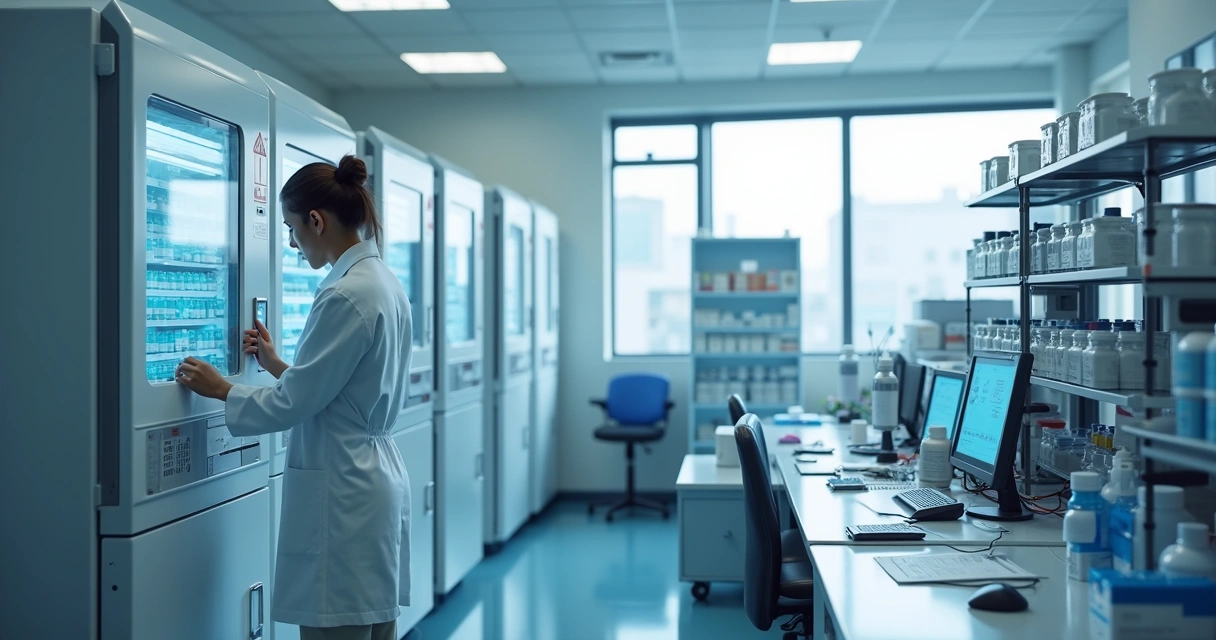
I have tested other systems that do something similar, but I felt the lack of a dashboard that brought everything together: real-time data, history, automatic alerts, and efficient support. And that is precisely where DROME stands out against competitors: it integrates all data and still facilitates audits with just a few clicks.
How to prepare your company for a calibration audit
Many ask me how to avoid unpleasant surprises during the audit. Based on my experiences, these steps never fail:
- Periodically review calibration plans, checking deadlines and scope
- Train and refresh professionals who work with measurements and recording
- Validate the hiring of calibration laboratories aligned with ISO/IEC 17025 standards
- Conduct internal audits before external ones, simulating real situations
- Maintain software (like DROME) that helps with automatic report generation and allows easy monitoring of sensor status
I also mention that it is worth checking our audit checklist for IoT environments, perfect for both technical teams and beginners in the preparation phase.
The difference between correct indicators and false positives
I have witnessed environments where alarms went off constantly due to poor sensor positioning or misuse. False positives create distrust and delay truly necessary responses.
A system like DROME learns to differentiate real deviations from small acceptable variations, reducing unnecessary alarms and improving response accuracy.
This "contextual intelligence" makes a big difference when thinking about large storage environments or complex laboratories.

Human error and risks of improvisation
Most deviations identified in calibration audits originate from human lapses, not technical failures. They are small oversights, "workarounds," and incomplete records. Intelligent platforms notify in advance and standardize control, combating risks at the root.
My experience shows that improvisation never pays off. If someone delays filling out the report or relies on memory to remember deadlines, the quality chain is compromised.
I even wrote an article about how to avoid errors in the cold chain if you want to check out these practical tips applicable in healthcare.
Where to find complementary content and exclusive tips?
For those who need more technical details, I recommend an article I published called Practical guide to calibration for sensors in controlled environments. It provides simple explanations and real examples from practice.
If your interest is in understanding the typical challenges of clinical or hospital audits more deeply, also check out my article on hospital audits – there are many learnings that intersect with the process in the pharmaceutical industry.
Closing: calibration audit is protection, not an obstacle
I have seen many teams viewing the audit as merely pressure or an obstacle. But the truth is that with the right process, intelligent systems, and standardization, the audit becomes an ally. Waste of inputs, equipment failures, and even public health risks decrease dramatically.
Auditing is caring before the error becomes a crisis.
I invite you to learn more about DROME, understand how technology makes the process transparent and simple, and discover with me how to transform "fear of audit" into security and peace of mind. Do not wait for the problem to happen – test our solutions and revolutionize how your company faces audits and calibrations.