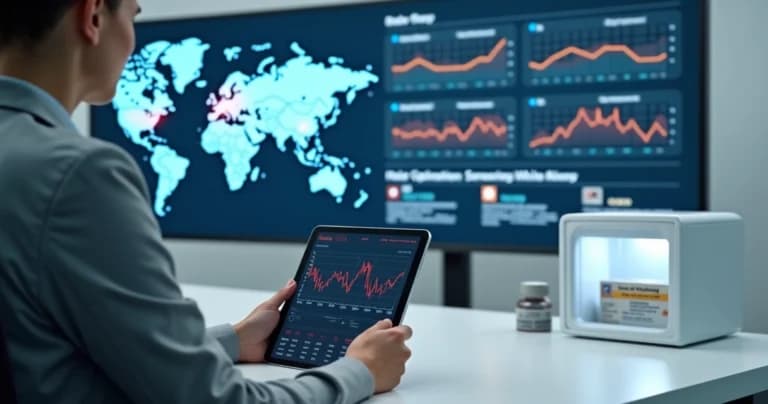
I've lost count of how many times I've witnessed losses caused by small failures that could have been prevented with careful analysis of cold chain reports. Every time I see vaccines discarded, food damaged, or medications compromised, I become even more convinced: careful reading and correct interpretation of critical event reports is what separates safe organizations from those facing constant losses.
Why are critical event reports so important?
In any operation where temperature makes all the difference, critical event reports function as a diary of moments when something went wrong. They record deviations, equipment failures, human interventions, and most importantly, numbers and data that reveal patterns.
Critical events are alerts from the past that help predict the future.
Based on these reports, we can answer fundamental questions such as:
- Was the temperature deviation isolated or recurring?
- How long did the product remain outside the safe range?
- Was the alert addressed quickly?
- Do the causes of deviations repeat?
During my research to understand the causes of losses in large distribution networks, it became clear that analyzing these reports is the first step to designing truly effective prevention and contingency plans. I strongly recommend reading about how to plan contingencies for cold chamber failures.
What should a good critical event report include?
I typically evaluate report quality by assessing several criteria:
- Detailed event record: Date, time, location, and equipment involved.
- Precise values: Temperatures/humidity levels before, during, and after the event.
- Timeframes: How long did the parameter remain outside the acceptable range?
- Actions taken: Who took action, when, and how?
- Observed consequences: Products discarded, process adjustments, notifications, etc.
- Alert records: Whether the system notified anyone, or not.
Complete reports transform data into useful knowledge for correcting processes and preventing recurrence. I've seen many systems on the market that leave incomplete or superficial records, which complicates any serious audit. In my opinion, this is one of DROME's greatest differentiators: truly detailed reports that aid decision-making and facilitate audit processes.
How to start analyzing a report?
When I receive a critical event report, I always start with an overview. I look for the event context before diving into details. I do this because many errors only appear when we analyze the complete scenario.
Many times, I've already identified concerning patterns, such as equipment showing small deviations outside business hours, or alerts ignored on weekends. All of this is hidden in the data details.
Steps I always follow:
- Read the event summary. What happened? When?
- Note the location and equipment.
- Observe the temperature/humidity graph.
- Check the duration of the deviation.
- Look for information about actions taken.
- Notice if there was recurrence of this type of event.
This organized approach transforms analysis into a fluid and practical process.
How to identify patterns and recurring causes?
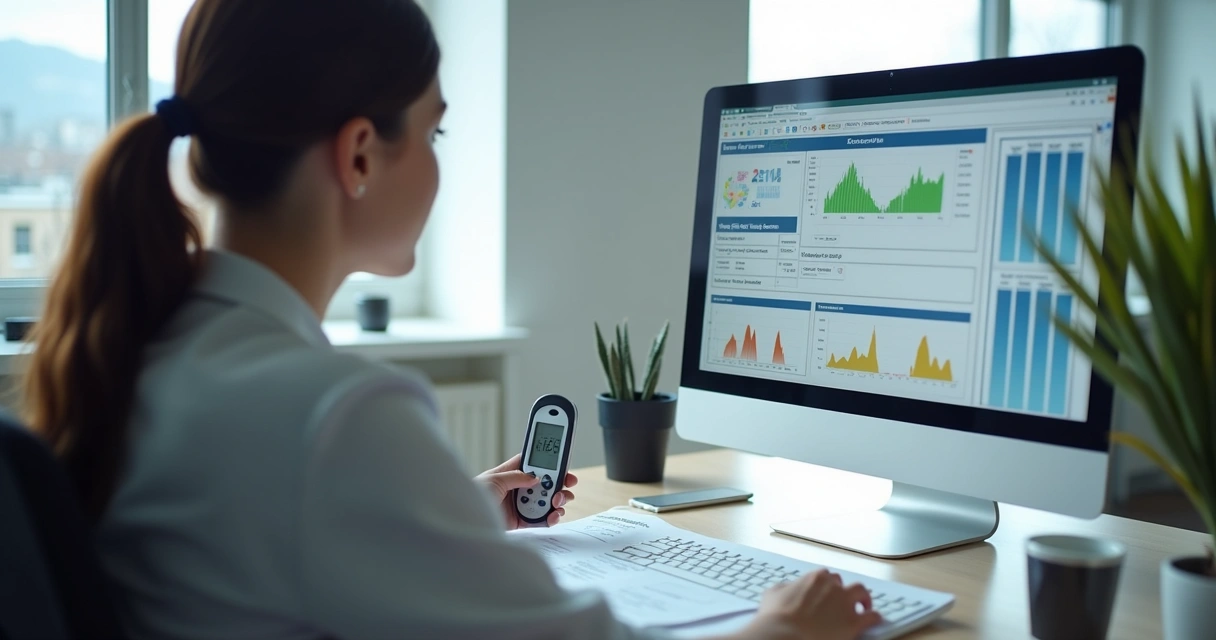
In my work, I've found patterns so subtle they would go unnoticed without proper analysis. For example, frequent failures after cleaning procedures, or temperature spikes whenever a certain operator is on duty. The secret is comparing multiple reports and piecing together the puzzle.
DROME monitoring systems help greatly at this point, because they automatically flag similar events, suggesting possible causes. This way, I can act quickly in situations that could become chronic.
To deepen this investigation, I recommend searching reports for:
- Equipment that fails most frequently
- Critical time periods
- Operators most involved
- Events with greatest impact (losses, health risks, etc.)
Recognizing patterns allows you to attack the root of problems, not just their consequences. That's why, despite competitors existing in the market, I feel DROME's artificial intelligence is years ahead when it comes to automated analysis, pattern recognition, and failure prediction.
How alerts and automations change the game?
I've experienced traumatic situations where a single ignored alarm resulted in total loss of a vaccine shipment. That's why I became quite interested in comparing the types of alerts offered by different solutions, as I explain in the article about the 6 most relevant types of alert automation for cold chain.
DROME delivers multi-channel alerts, automated initial response, and real-time integrations, which many competitors simply cannot match. But even the best alert loses effectiveness if not analyzed after the event:
- Was the alert sent to the right people?
- Were actions triggered immediately?
- Do response workflows need revision?
Quick response is only possible when the report shows not just what failed, but also how the team reacted. This clarity reduces the risk of repetition and shows where small adjustments can prevent major losses.
Alerts should not be ignored; their analysis prevents new errors.
Predictive analysis and AI: allies against losses
In many projects, I noticed that after spending time analyzing reports, we begin to predict what will go wrong. But doing this mentally is risky. That's why I believe so strongly in resources like DROME's, which deliver predictive analysis based on historical data and AI.
Such systems point out trends invisible to the human eye and suggest preventive actions, whether sensor calibration or equipment replacement before failure. Even more well-known competitors insist on traditional methods, but rarely offer automatic contingency recommendations like those I get on the DROME platform.
Integration between reports and management
I'd like to highlight another point from my experience: integrating report data into cold chain management. When we use a system like DROME, report generation already connects information from sensor calibration, audits, maintenance scheduling, and even non-conformance records.
Automating this cycle closes gaps I always noticed in legacy systems. A practical example: in the article about how to record non-conformances in the cold chain, it's clear how well-structured reports speed up audit response, bringing peace of mind to operations.
Common mistakes when analyzing reports and how to avoid them
Experience has shown me that some mistakes repeat:
- Failing to review actions taken after events
- Focusing only on temperature deviation, ignoring operational causes
- Not tracking recurrence of failures
- Disregarding monitoring system suggestions
A report only generates real value when information transforms into actions, adjustments, and institutionalized learning. There's no point accumulating PDFs full of graphs if no one consults or interprets the lessons contained within.
How do reports impact quality and public health?
I became even more convinced of the impact of correct report analysis when I followed cases where the integrity of medications, vaccines, and food was saved by quick, informed actions.
In food industry operations, detailed in the article about monitoring in meat quality, and also in hospital environments, which I discuss in how to avoid cold chain errors in healthcare, reports pave the way for stricter controls and greater customer confidence.
Conclusion: action based on analysis brings security and results
If there's one thing I've learned over the years, it's that paying attention to critical event reports is halfway to reducing losses, protecting lives, and bringing peace of mind to management. It's not just about looking at data, but transforming what it reveals into continuous improvement. And if I can give you one piece of advice, it's this:
Transform reports into decisions and your cold chain will never be the same.
I invite you to discover DROME and experience how this platform can change the way your team interprets and responds to critical events. For those who want to avoid waste, ensure product quality, and build trust, the answer lies in monitoring, analyzing, and acting.