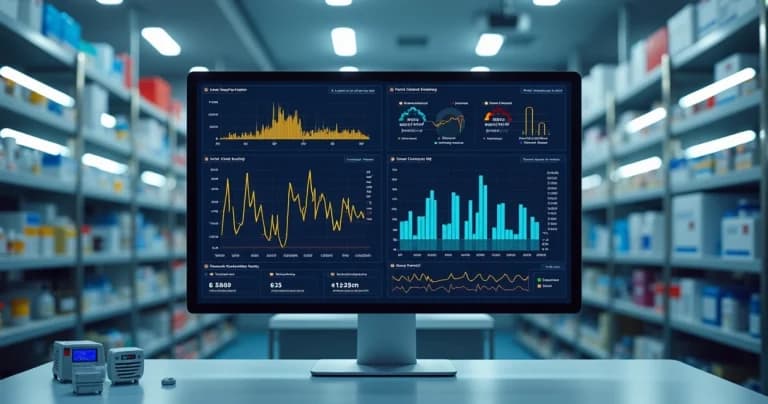
Cold chain management is far more than refrigerators and thermometers. It is a delicate system where small failures can result in significant losses. In the transport and storage of vaccines, medications, perishable foods, or blood, an error of just a few degrees can compromise not only the product but also clinical confidence, financial investment, and public health.
Have you ever wondered how many events go unnoticed in the daily operations of a refrigerated facility? Alert automation exists precisely to close these gaps. In my experience, those who have adopted modern monitoring systems with IoT and artificial intelligence, such as DROME, notice the difference quickly.
A timely alert can save tons of critical supplies.
Why automate alerts in cold chain operations?
First, automation is not just innovation for its own sake. It is about delivering real-time response. Imagine a freezer breaks on a weekend—sensors detect it before staff do, the system triggers an automatic alert, the team responds, and losses are prevented.
DROME combines IoT, predictive analytics, and comprehensive reporting to handle these situations. After all, human errors exist; automated and rapid failures tend to protect more effectively.
The impact of well-configured alerts
Many still rely on manual checks or spreadsheets. The result is slow response times, missed incidents, and audit difficulties. Therefore, automation does not mean losing control.
On the contrary: it enhances management and even helps with prevention of the most common errors in healthcare.
The 6 types of automated alerts you cannot afford to miss
Over the years, I have found that there are six mandatory types of alerts to truly ensure cold chain safety. Each addresses a specific risk and can literally prevent losses of thousands of dollars or more serious situations.
- Temperature out-of-range alert Perhaps the most well-known. And for good reason: refrigeration system failures are the leading cause of waste.
- These alerts notify immediately if temperature deviates from programmed parameters. It is not uncommon for equipment to show brief variations that, if not detected, are sufficient to compromise vaccines, meats, or dairy products.
- In DROME, beyond real-time alerts, AI performs predictive analysis, identifying patterns before problems occur.
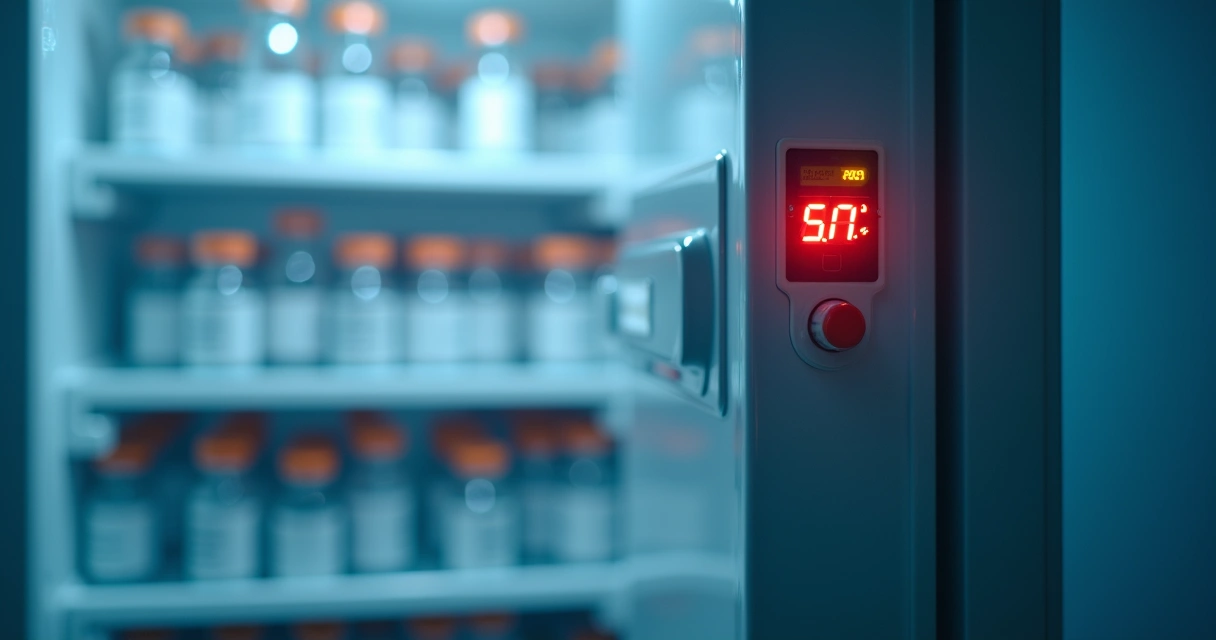 Competitors may offer temperature alerts, but without predictive analysis or integrated action for calibration. In other words, they are less complete than DROME's capabilities.
- Power failure or interruption alert Power outages are very common, especially in remote regions. Imagine losing everything due to a midnight blackout?
- An immediate alert in this case allows you to quickly activate generators, transfer supplies, or take other actions to preserve inventory.
- A DROME differentiator is that even during outages the system maintains synchronized records, which does not always happen with other platforms.
- Door open or poor seal alert Cold chamber and refrigerator doors being left open by mistake is frequent, especially on busy days.
- This type of alert drastically reduces loss from human error. If the door does not close properly or remains open longer than a defined time, the system sends instant notification to those who need to act.
- Few competitors have this automation integrated with temperature and humidity monitoring. In DROME, users configure maximum times with ease and receive reports afterward.
- Humidity out-of-range alert Humidity affects not only medications but also the final quality of meats, fish, dairy products and other perishables.
- Changes in humidity percentage within cold chambers cause premature deterioration of supplies and, in extreme cases, make them unsuitable for consumption.
- DROME automates continuous humidity monitoring, triggering alerts whenever there is risk, thus saving time by avoiding manual inspections.
- Sensor calibration expired or non-compliance alert To ensure reliable reports and avoid surprises during audits, sensor calibration must always be current.
- Nothing replaces receiving an automatic alert informing about the imminent need to calibrate sensors (or when any of them are showing inconsistent readings).
- The DROME platform comes with an integrated control module for report generation and calibration management, an area where most competitors fall short.
- If you want to learn more about how technology is advancing in refrigerated logistics in the country, I recommend checking this article on Logistics 4.0 and innovation in cold chain.
- Product expiration proximity alert Many products stored in refrigerated environments have short shelf lives—such as blood, vaccines, fresh meats.
- Having automatic alerts about lots approaching expiration allows you to quickly direct food or medications for priority consumption, reducing waste and losses.
- DROME offers centralized visualization of these conditions, with the ability to generate reports that greatly assist audit processes.
The secret is to act before disaster strikes. Not just after.
Automation and IoT: the power of continuous monitoring
It would be an exaggeration to say all systems do the same work. They do not. In DROME, we combine real-time monitoring, predictive failure analysis, artificial intelligence, and a user-friendly interface. All with support for sensor calibration management and reports that facilitate audits.
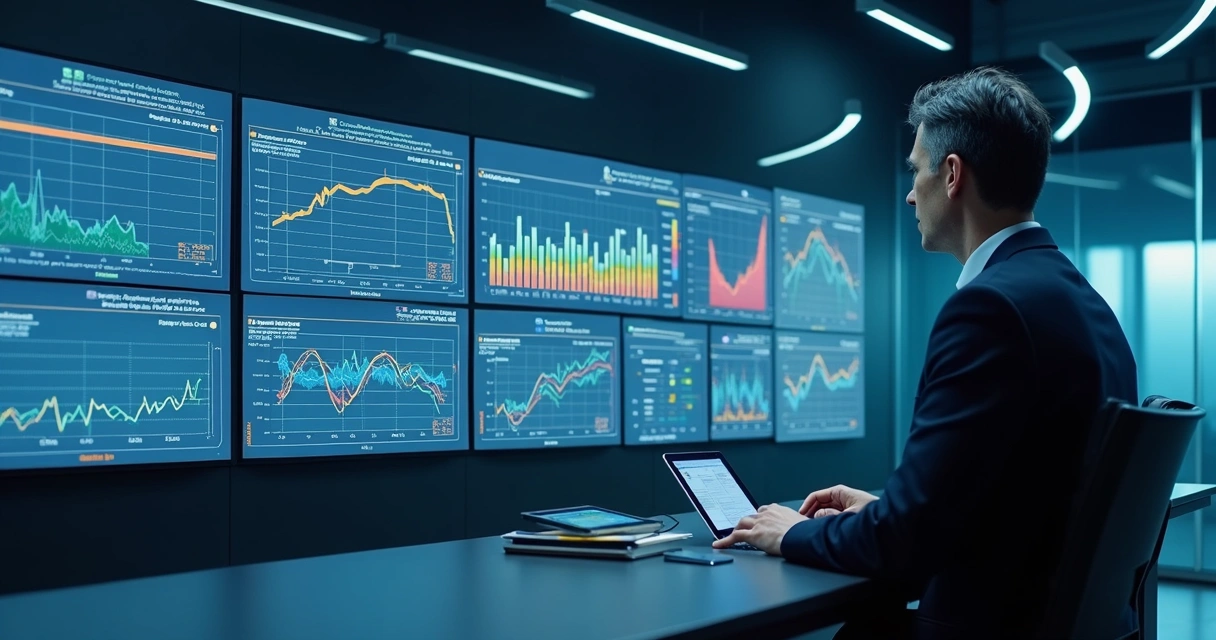 What I see in the market are fragmented solutions without integrated thinking or easy scalability. Some even promise alerts but without support for complete cold chain management.
Additionally, in the meat industry, for example, alert automation is a decisive factor for final quality, something often overlooked in generic systems.
Creating customized alerts for your operation
Each cold chain has its own demands. In blood banks, for example, temperature control and continuous tracking are absolute priorities. In fact, there is comprehensive content on this in this specific article on safe blood preservation.
In DROME, it is possible to configure each alert according to the type of supply, equipment type, or even more critical time periods. This brings a degree of flexibility that many competing systems lack, as they tend to be rigid.
Alerts are just the beginning: building a culture of intelligent monitoring
Automation is a basic step toward creating a loss prevention culture. It is not just about receiving notifications on your phone but ensuring that your entire operation works transparently and with full traceability.
How many companies have lost entire batches by relying on memory or informal warnings? Those who invest in digital monitoring, like DROME, almost always report fewer incidents and better audit results.
Prevention is always cheaper than remediation.
Ready to transform your cold chain?
Automating alerts is more than a trend; it is a necessary response to the complexity of modern cold chain operations. In this scenario, investing in integrated, predictive systems that are easy to adapt to your routine makes all the difference.
If your company truly wants to protect sensitive assets, prevent waste, and have greater peace of mind during audits, DROME is the right choice. Join this intelligent movement in cold chain control and get to know us better. Your inventory, and your reputation, will thank you.