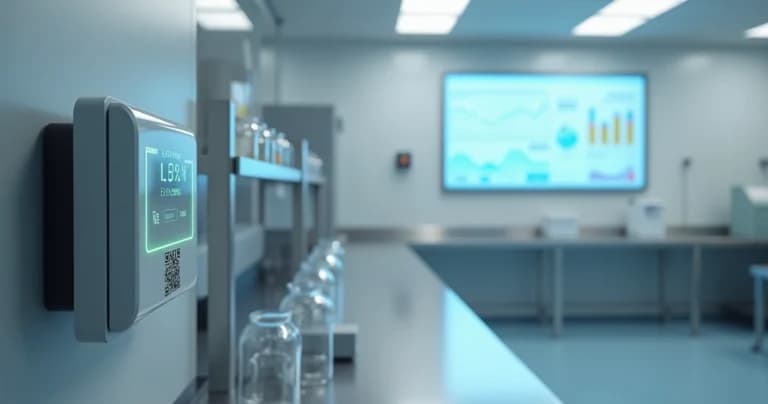
Throughout my years working with environmental control, I noticed that few people truly understand the impact that inadequate humidity levels have on critical environments. Take hospitals, pharmaceutical laboratories, and food cold storage chambers as examples. It's not just about comfort, but about ensuring the integrity of sensitive products and, in many cases, protecting lives. That's why today I want to share what I've learned about air humidity sensors, showing how they've become the true guardians of these environments.
Why is monitoring air humidity so relevant?
Recently, I saw a report from the Civil Defense of Minas Gerais highlighting that air humidity reached only 30% in some regions of the state. This puts not only public health at risk, but also hospital supply inventory and food in controlled environments, potentially resulting in significant losses (Civil Defense MG alert).
The Piauí State Health Department went even further by warning that humidity levels could drop to as low as 12%. That shocked me. Such levels increase risks, especially for children, elderly people, and those with chronic illnesses, as detailed in the agency's statement (Piauí State Health Department alerts).
Environmental control goes far beyond preventing losses. In research conducted at USP, it became clear that temperature and humidity are determining factors for health and well-being in climate-controlled spaces. As I analyzed this study, I realized that attention to humidity makes all the difference in critical environments, such as data centers, hospital sectors, and vaccine storage facilities (USP study on indoor air quality).
How does an air humidity sensor work?
When I first encountered humidity sensor technology, I must admit I was impressed by the precision and variety of applications. An air humidity sensor measures, in real time, the amount of vapor present in the air relative to the maximum possible at the ambient temperature.
In the monitoring universe, I typically divide sensors into three main categories:
- Capacitive sensors
- Resistive sensors
- Digital sensors
Each has its own characteristics, which I'll explain below.
Capacitive sensors
From my experience, I found that capacitive sensors are the most common for monitoring critical environments. They work by measuring changes in capacitance between two plates separated by a dielectric material sensitive to humidity. As humidity increases, the sensor's capacitance also increases.
High accuracy, stability, and wide measurement range are hallmarks of the capacitive sensor.
That's why I see their use, mainly in hospital HVAC systems, laboratories, and data centers (monitoring of technological environments).
Resistive sensors
These measure the variation in electrical resistance of a material exposed to air. As humidity changes, the material's conductivity also changes, allowing for accurate humidity level readings.
In practice, I find resistive sensors accessible and effective for continuous monitoring, but in some cases, they may require more frequent recalibration.
Digital sensors
With automation, I see digital sensors gaining ground because they already deliver ready-to-use data without the need for external converter circuits. This makes integration much easier when seeking quick integration with intelligent systems, such as IoT platforms, SaaS, and automatic alarms like in the DROME system.
- Data already converted to digital signals
- Less susceptible to interference
- Simple integration with monitoring software
All these types, when used correctly, contribute to effective monitoring and failure prevention in refrigerated chains and sensitive environments (cold chain monitoring).
Integration of sensors with IoT and SaaS platforms
In today's scenario, it no longer makes sense to rely solely on manual measurement. The real quality leap, in my opinion, comes from integration with intelligent platforms.

On the DROME platform, for example, all sensor data feeds a system that learns patterns and sends automatic alerts if humidity levels reach values outside the recommended range. Artificial intelligence finds trends and prevents problems, allowing teams to act before damage occurs.
I see competitors trying to deliver similar solutions, but few manage to combine multivariable monitoring, detailed reports, and such comprehensive audit capabilities. The advantage of SaaS platforms like DROME's lies in the ease of tracking history, issuing automatic evidence for regulatory bodies, and still receiving genuine technical support.
This integration is especially valuable when it comes to audits, since digital reports are easily accessible and auditable, something increasingly required in ISO certifications and ANVISA RDC regulations.
Procedures for installation, calibration, and maintenance
When I was responsible for installing sensors in a hospital network, I understood that following rigorous procedures makes all the difference in the validity of results. See my main recommendations:
Location selection
- Avoid installing sensors near doors, windows, or heat-emitting equipment.
- Fix sensors in locations representative of the monitored air volume.
- For large environments, it's ideal to distribute several sensors at key points.
Correct placement ensures the reading of the air of interest, minimizing deviations caused by currents or local microclimates.
Calibration
I strongly recommend regular calibration, which can be semi-annual or annual, depending on the degree of regulatory requirement. I always seek certified laboratories for this procedure.
Additionally, if the sensor is subject to extreme conditions or shows suspicious readings, I perform an extra verification.
Maintenance
- Cleaning sensors according to manufacturer guidelines;
- Visual inspection for physical damage, terminal oxidation, and accumulated dirt;
- Preventive replacement in case of repeated failures or after the recommended useful life period.
Planned maintenance reduces unexpected failures and prevents losses of sensitive supplies.
DROME helps greatly in this process by organizing calibration schedules, issuing reminders, and maintaining all documented history digitally. This makes a huge difference during audits and inspections because the entire data path can be easily proven.
Practical applications in critical environments
There are countless real examples where humidity monitoring saved companies from major losses. I remember a food sector client facing stock losses due to mold and packaging degradation, a situation completely reversed with the installation of an automated intelligent system like DROME.
In hospitals and clinics, keeping humidity under control protects medications, prevents infections, and keeps electronic equipment running without interruptions. Topics like temperature and humidity monitoring in hospitals have gained prominence precisely because of their direct impact on patient safety.
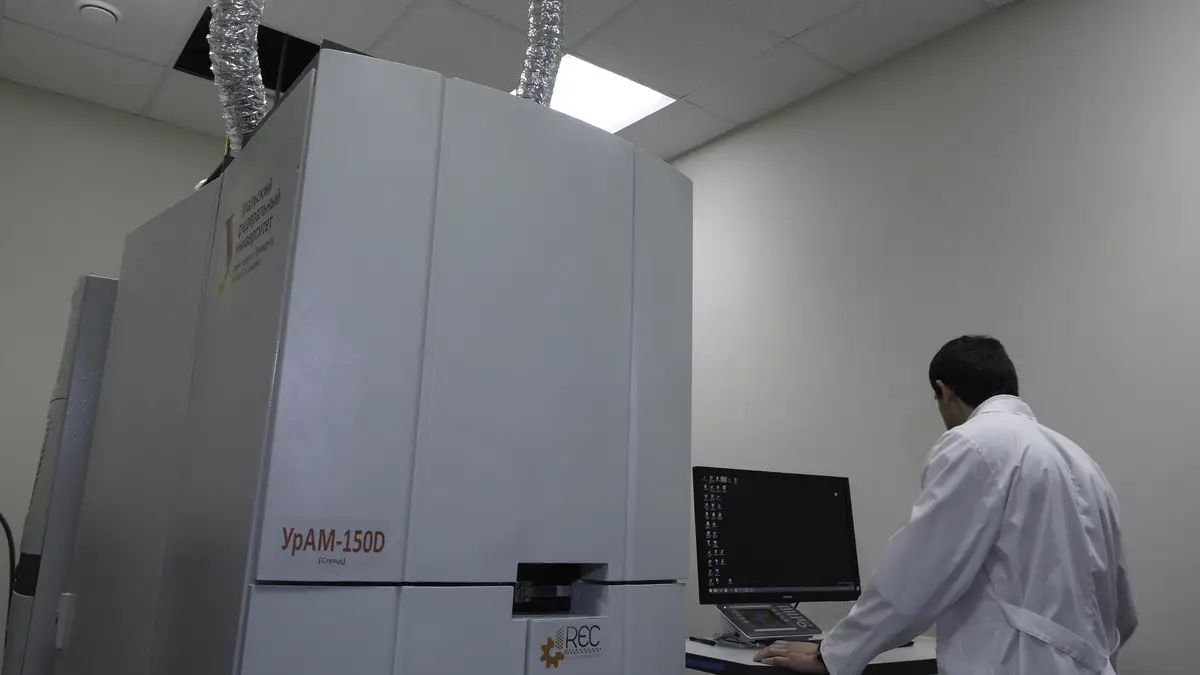
In data centers, high-sensitivity sensors help prevent hardware failures due to corrosion or shorts caused by humidity variations (data center monitoring).
In agribusiness and warehouses, humidity control prevents the proliferation of fungi and bacteria in grains, reducing hidden losses and maintaining quality until delivery to the end consumer (humidity control in warehouses).
I've observed competitors offering leaner solutions that monitor only one point or fail to generate complete reports. However, I haven't seen another system as prepared as DROME to anticipate failures, configure custom alerts, and document the entire maintenance and calibration history to facilitate audits or FDA, ANVISA, and international inspections.
Impact on quality control and loss reduction
By investing in high-quality sensors integrated with systems like DROME, I realized that environmental control stopped being just a regulatory requirement. It became a business protection strategy.
Monitored environments suffer less from humidity-related losses, offer more reliable supplies, and provide greater safety for those using the products.
Companies and institutions that take humidity control seriously differentiate themselves in the market because they can deliver high-standard products, avoid recalls, minimize fines, and most importantly, protect people's health.
If you want to learn more about how humidity control affects product quality throughout the entire cold chain, I recommend reading the content on the impact of humidity on the quality of refrigerated products.
Conclusion
Throughout my career, I noticed a pattern: companies that invest in intelligent monitoring reap real results. Monitoring humidity in critical environments is not a luxury; it's a necessity. Choosing reliable sensors, integrating them with robust platforms like DROME, keeping calibration documentation up to date, and ensuring complete reports are the best ways to reduce losses, increase safety, and pass any audit smoothly.
If you're looking to transform your business's environmental management and ensure effective monitoring, my suggestion is to learn more about DROME. With our platform, you have technology, support, and proven results on your side. Schedule a demonstration and be surprised by the impact of a modern, secure system developed for environments that don't accept failures.
Frequently Asked Questions
What is an air humidity sensor?
An air humidity sensor is an electronic device designed to measure the amount of water vapor present in the environment. These sensors allow you to monitor and maintain ideal conditions in places that require environmental control, such as hospitals, laboratories, and warehouses.
How does an air humidity sensor work?
The operation depends on the type, but basically involves detecting physical or electrical changes in materials sensitive to water vapor. Capacitive sensors measure capacitance variations, resistive sensors analyze resistance, and digital sensors directly transform this data into digital signals for intelligent platforms.
What is the purpose of humidity monitoring?
Monitoring humidity prevents losses of sensitive supplies, ensures the reliability of vaccines, medications, and food, and protects people against health risks, as also highlighted by studies from public agencies and academic research.
What are the best humidity sensors?
The choice depends on the application, but capacitive and digital sensors are the most used in critical environments. They deliver high accuracy, stability, and easy integration with platforms like DROME, which goes beyond the market by combining continuous monitoring, detailed reports, and constant technical support.
Where to buy a reliable humidity sensor?
The best path is to seek companies specialized in environmental monitoring that offer complete support, integration with SaaS platforms, and technical warranty. DROME is a reference in this segment, offering not only high-quality sensors but a complete solution for environments that demand maximum reliability.