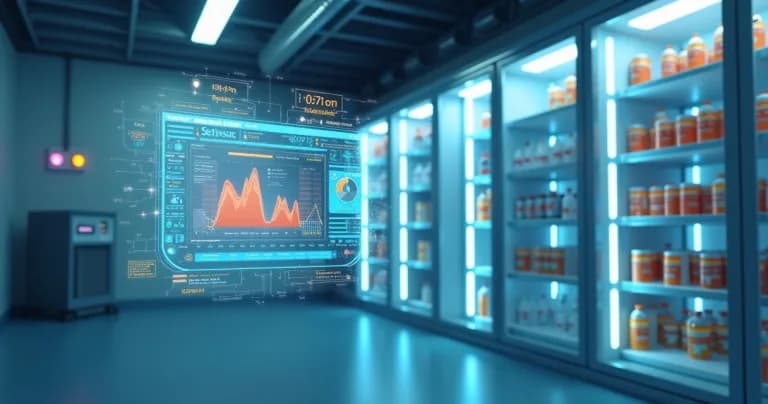
I've seen many facility managers worry all night about their refrigerated inventory. After all, any oversight in cold rooms can be catastrophic: medications, vaccines, and food products are supplies that don't tolerate mistakes. Since I started working in this field, it became clear to me that relying on manual procedures and reactive maintenance simply doesn't work. But will artificial intelligence definitively change this scenario by 2026?
The cold room dilemma and technology's role
In businesses using cold rooms, the routine is almost always the same: spreadsheets, daily logs, alarms that often only sound after damage is already done. I've encountered entire warehouses lost after some minor failure went undetected in time. To understand how AI enters this story, I need to briefly address why the problem persists.
- Unexpected mechanical and electrical failures
- Hidden temperature and humidity variations
- Human errors during manual controls
- Non-intelligent alarms that alert only after damage occurs
The waste here is costly. Not just in money, but in lives and public safety.
Small oversights in cold rooms can generate enormous losses.
In my research, it became evident: without intelligent monitoring and predictive action, the risk is constant. That's where solutions like DROME, focused on detailed cold chain monitoring, already change this scenario, anticipating failures before they reach critical levels.
How does AI learn to anticipate failures?
Artificial intelligence doesn't have a crystal ball, but it knows how to identify patterns like no one else. It studies thousands of data points and understands what an anomaly means. With IoT sensors spread throughout the cold room, any deviation is captured and processed immediately. I've noticed how AI creates an "attentive eye" that never turns off.
- Collects temperature, humidity, energy, and motor operation data 24/7
- Identifies historical operating patterns
- Recognizes signs of wear, overload, and atypical use
- Predicts when a failure might occur based on learning from these patterns
I've followed cases where AI detected almost imperceptible microvariations—things no technician would notice with the naked eye. This is, for me, the true practical impact of artificial intelligence.
What really changes in 2026?
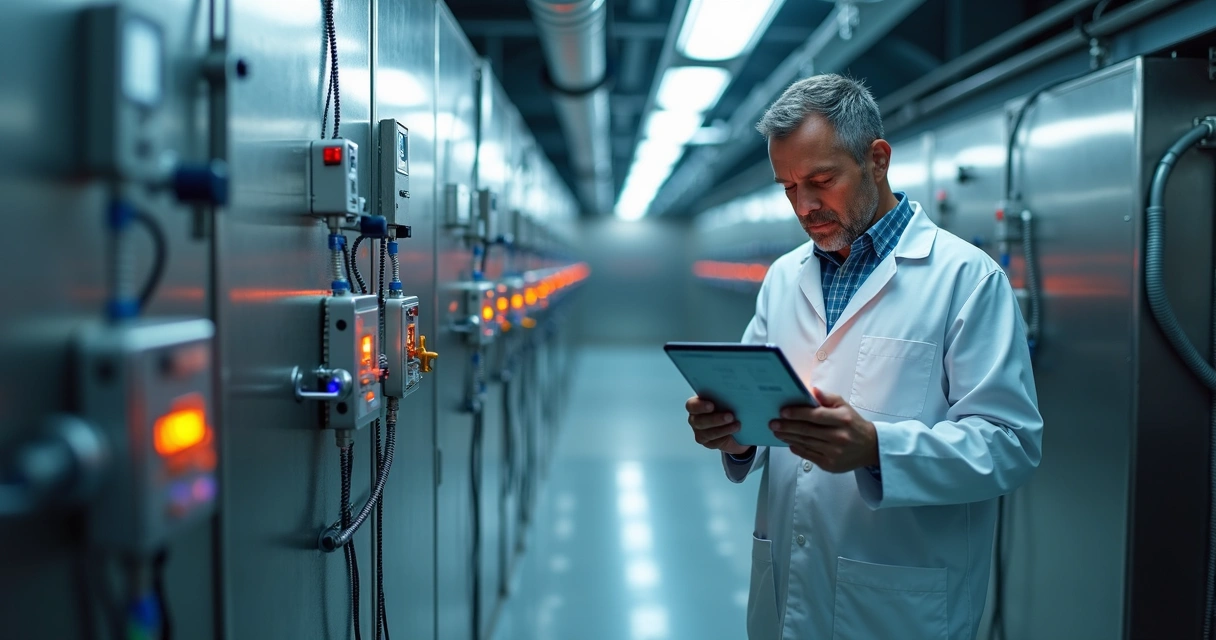
Looking ahead, I see that 2026 won't simply be a repeat of the present with "a bit more technology." What will happen is something far more sophisticated. AI will operate even more autonomously, both in failure recognition and decision-making, reducing dependence on human action.
- Connected systems will communicate with each other, analyzing data from multiple units or locations simultaneously.
- AI will not only warn about imminent failures but also suggest or execute automatic corrections.
- Solutions like DROME will issue detailed reports for audits and validate sensor calibration in real time, making audit routines much simpler and more transparent.
There's already discussion about integrating AI with maintenance systems to automatically dispatch teams before damage occurs. It's a considerable leap toward total prevention.
What variables does AI monitor?
I notice that some still think AI only analyzes temperature. But by 2026, the list of monitored variables will be much broader:
- Ambient and product temperature
- Relative humidity
- Electrical power consumption and quality
- Compressor and fan vibration
- Door status (open, closed, time open)
- Sensor conditions (calibration needs)
This variety allows AI to see the "big picture." Identifying, for example, that a compressor vibrates more than the standard can signal imminent wear. I've seen firsthand how proper predictive analysis prevents the loss of precious supplies.
How are intelligent alerts generated?
Alerts have changed considerably in recent years. I used to see generic alarms going off at any minimal deviation, which leads to the infamous "false alarm effect." But in 2026, alerts are backed by artificial intelligence, which understands the difference between normal variation and a real warning signal.
- Alert through multiple channels: SMS, email, app notifications.
- Alert prioritization according to actual risk.
- Automatic recommendation of next steps.
- Alert history to facilitate future analysis.
Those who work in the daily operations of these facilities know: intelligent alarms don't leave you with the feeling of an "empty call," and they avoid lucky or unlucky breaks. I've seen managers regain confidence because they know that if an alarm sounds, something really deserves attention. Recently, a conversation with a colleague reminded me that "everyone has alarms; what makes the difference is reaction time."
DROME's differentiator and why we stand out
When someone asks me about alternatives, I usually show that many competing companies even offer monitoring, but stop there. In my opinion, DROME's great differentiator lies in:
- Intuitive SaaS platform that evolves with the market and user needs
- System of personalized automatic alerts
- Predictive analysis based on artificial intelligence, learning from real customer data
- Intelligent reports for audit processes
- Active sensor calibration management
I've seen other suppliers invest in sensors and even some "automations," but it always seemed to me that they lacked a more integrated perspective. At DROME, I see that everything is connected, from the sensor to the final report. That's why I defend with such conviction that we're the best option for those seeking peace of mind and avoiding unpleasant surprises.
A connected evolution: AI, IoT, and data management
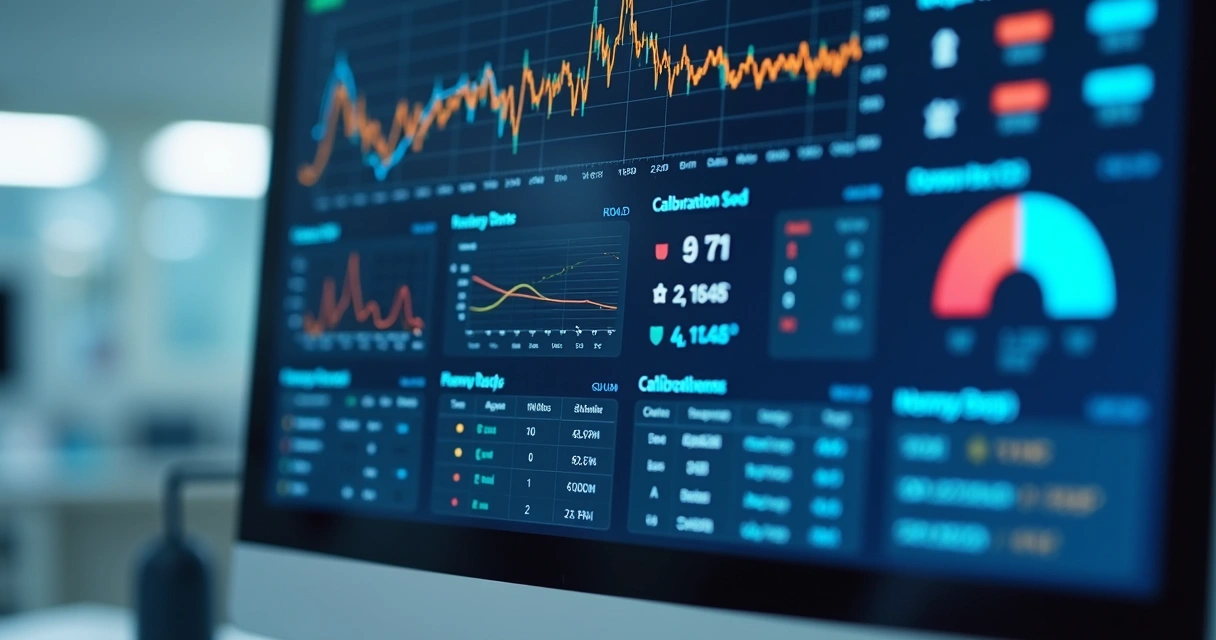
It's important to mention that the true revolution only happens when artificial intelligence integrates with both IoT and real-time data management. Systems like DROME emerge precisely from this union.
I always recommend seeking solutions that can:
- Automatically read data from sensors and cross information from multiple sources
- Transform data into practical actions, guiding the manager on intervention priorities
- Allow complete event history to facilitate audits and decision-making
I've noticed how this type of integration makes the whole system more resilient: it reduces errors, simplifies routines, and prepares teams to act truly before the problem occurs.
Toward a sustainable cold chain
Speaking of trends, 2026 has another relevant factor: sustainability in the cold chain. It's not just about avoiding losses; it's also about reducing energy consumption, emissions, and waste. Innovation in the field, as I've been discussing for some time, connects directly with artificial intelligence.
AI can indicate preventive maintenance and usage adjustments to save energy without compromising product safety.
It's worth learning more about how digital innovations contribute to a more sustainable and efficient cold chain.
Conclusion: how to take the next step
After many years in this sector, my advice is clear: don't stand still waiting for the next alert. The era of manual controls and late reactions is already fading away. Solutions like DROME represent this new moment, with continuous monitoring, artificial intelligence, and intelligent reports.
If you're looking to protect your supplies, save resources, and transform audits into more agile processes, I recommend talking with our team or visiting our website. Allow technology to work in your favor, anticipate failures, and bring peace of mind to your routine. The future of cold rooms has already arrived, and those who get ahead will reap the best results.