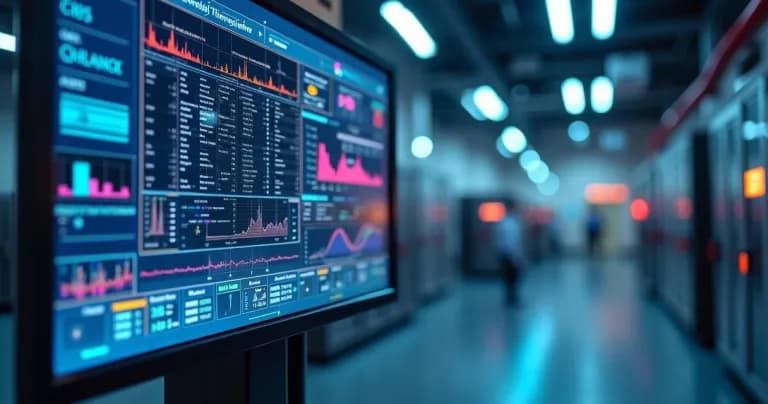
In my day-to-day work following innovations in healthcare, food, and technology, I see a recurring concern: safe disposal of temperature-sensitive materials, such as medications, vaccines, biological samples, and perishable foods. Human errors, miscalibrated sensors, or sudden equipment failures can transform a controlled situation into considerable loss – and into problems that affect both public health and company finances.
Beyond preventing losses, properly disposing of these materials means protecting people, reducing environmental impact, and meeting rigorous standards. That's why I've been closely following how Artificial Intelligence (AI) is changing this landscape. And I can affirm, based on what I research and experience, that solutions like DROME's represent a quality leap in monitoring and safe management of these supplies.
Why is correct disposal so necessary?
In hospitals, laboratories, and food storage facilities, the concern goes beyond simple expiration date control.
- Expired medications or those stored outside ideal temperature lose effectiveness and can cause health damage.
- Vaccines outside the correct parameters become ineffective, putting entire campaigns at risk.
- Improperly disposing of biological or food waste results in environmental contamination and, in extreme cases, labor and criminal proceedings.
I'm struck by the fact that, even with rigid protocols, much of the loss happens due to storage failures, lack of real-time monitoring, and delays in decision-making. Typically, the problem is only noticed after the situation has already spiraled out of control.
Prevention is far cheaper, and more responsible, than remediation.
How does Artificial Intelligence work in this process?
From what I've observed in recent experiences and studies, AI delivers gains because it goes beyond simple data collection. It interprets signals, predicts risk situations, and acts before a loss occurs. I'd like to explain in a practical way how this works for those dealing with sensitive material.
Active and intelligent monitoring
First, AI collects continuous data from sensors in refrigerators, cold chambers, laboratories, and transport vehicles. Temperature, humidity, exposure time, vibration – everything is monitored without pause.
- AI identifies patterns and deviations even when they're not yet evident to the human eye.
- Automatic alerts are issued if any parameter strays from safe ranges.
- Algorithms analyze whether the failure comes from a quick temperature spike, persistently wrong humidity, improper door opening, or even power loss.
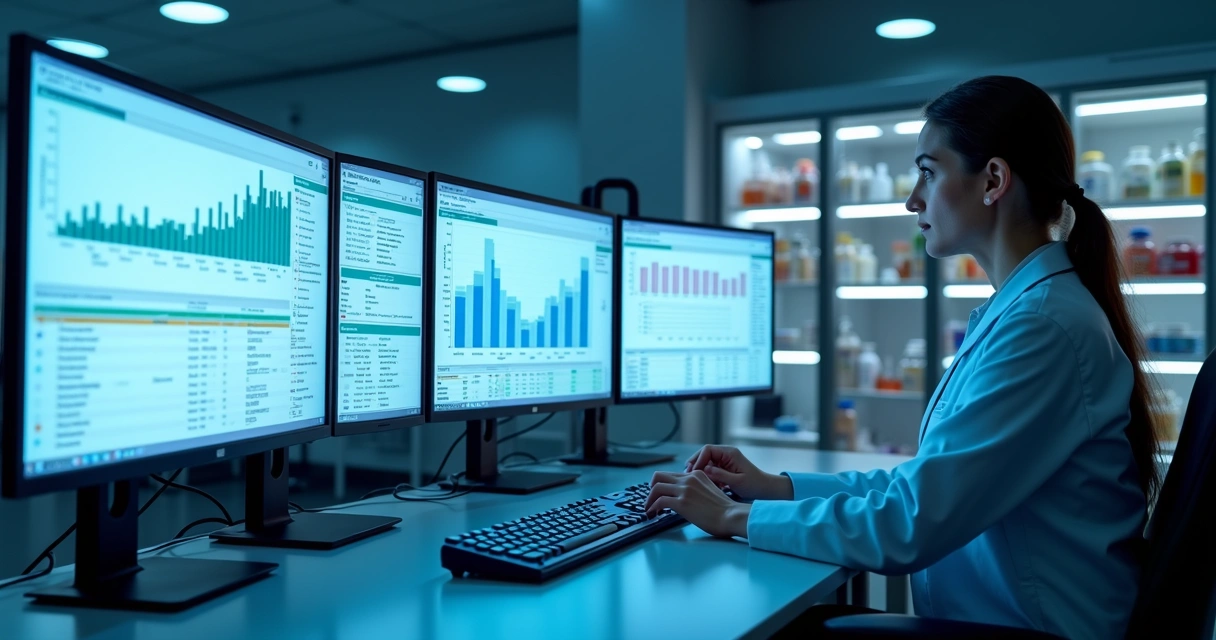
In practice, I've followed cases where the DROME platform was able to predict cold chamber failures and recommend safe disposal of supplies before the worst happened. In fact, in hospitals where I work as a consultant, this automation was decisive in preventing losses and audit fines.
Predictive analysis: disposing of risk before it becomes a problem
I recently read an article detailing the application of predictive analysis in these situations (how predictive analysis helps prevent supply losses). It makes clear how AI models see degradation patterns and recommend immediate disposal without relying solely on manual reports.
- Anticipating failures prevents an entire batch from needing disposal after already being rendered unusable.
- The deterioration curve can be tracked and calibrated for each type of supply, adjusting the disposal decision based on history.
- The system learns from previous errors and becomes more accurate with each completed cycle.
This type of intelligence puts the responsible professional in a position to make quick, traceable, and justifiable decisions in any audit. Moreover, features like detailed reports, automatic histories, and digital sensor calibration keep everything documented. Confidence in data increases because it comes from automated and auditable sources.
Advantages of the DROME solution in safe disposal
I've followed the comparison of some competing solutions over the years. Some known systems even monitor real-time data, but fall short in predictive analysis or require much manual intervention.
In DROME's case, what stands out to me is the following:
- Continuous monitoring with IoT sensors adapted for multiple environmental variables.
- Intelligent alerts for on-call teams and sector managers, via mobile, SMS, and online dashboards.
- Easy-to-read reports and export options, avoiding rework in documentation for regulatory bodies.
- Automated sensor calibration management, which reduces failures from miscalibrated equipment.
- Sophisticated predictive analysis, with artificial intelligence, to anticipate and recommend disposing only of what truly falls outside standards.
I've noticed that competing companies end up generating many "false positives," forcing unnecessary disposal. DROME, on the other hand, combines deep analysis with flexibility, adapting to each institution's and supply's profile.
Full integration with audit routines
One of the difficulties I've seen in laboratories, especially mid-sized ones, is maintaining compliance with sanitary standards due to system fragmentation. DROME solves this by grouping monitoring, reports, and intelligent alerts on a single platform. No multiple spreadsheets, no loss of history.
How does AI contribute to sustainability?
The positive impact doesn't stop at end-user safety. It's something I believe is key in the discussion about healthcare and food waste: sustainability.
- AI reduces waste by preventing disposal of still-usable supplies.
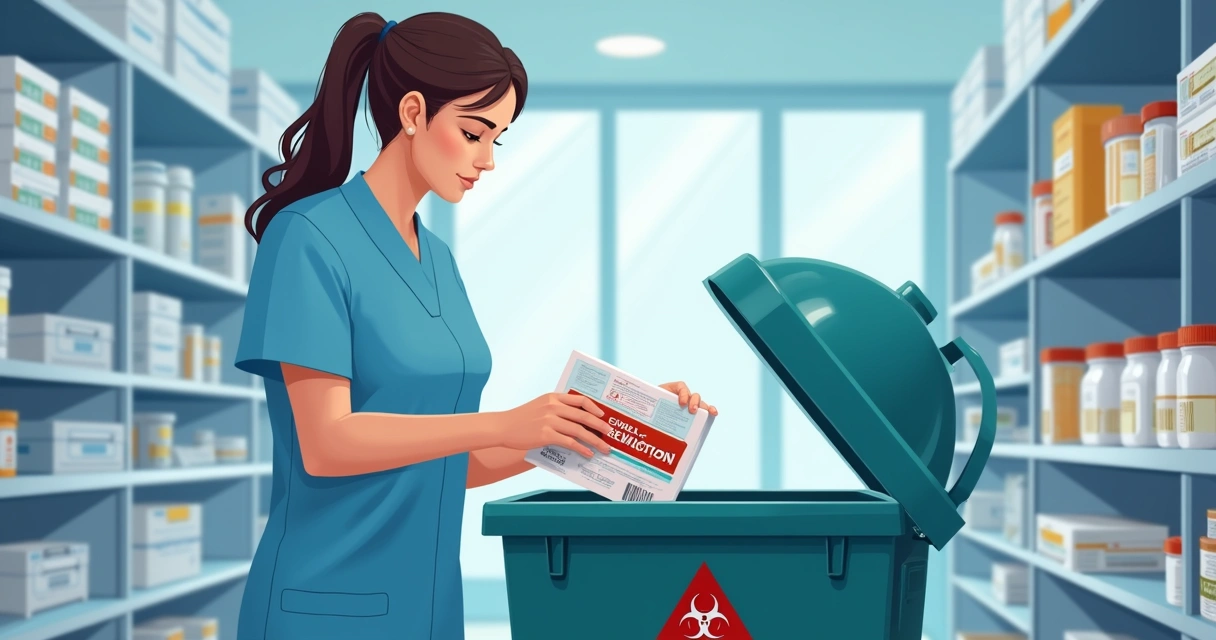
- Out-of-standard materials are disposed of more quickly, preventing cross-contamination and environmental degradation.
- Automated tracking helps ensure correct waste destination, whether through controlled incineration, specialized collection, or well-documented legal procedures.
Anyone following industry news, as I regularly do, has seen that failures in this process open doors to extra costs and legal problems. Systems like DROME make clear who bears each responsibility and automate records that facilitate environmental inspections.
AI and future scenarios: trend or standard?
If you want to dive deeper, you can check out texts like how AI can predict cold chamber failures in 2026. There I saw projections of how automated processes will become the foundation of sensitive waste policies. It's only a matter of time before manuals and manual controls take a back seat, giving way to full automation.
Additionally, the use of intelligent systems tends to grow in pharmaceutical management. In the article the impacts of monitoring technology in this area, it's clear that the combination of IoT, AI, and predictive analysis is already part of the routine in the best hospitals and pharmacies. What I see is an acceleration of this movement, generating savings and greater safety for patients and consumers.
Those working in blood banks or biological collection know how sensitive this is. Systems like DROME already make a difference in this field too, as shown in the post about safe blood preservation with IoT. Automated data and history change the game in audits and quality control.
Start now: ensure the safe future of your supplies
From what I've followed over the past few years, I can affirm: investing in AI for management and safe disposal of sensitive materials is no longer a luxury, but a necessity. Minimizing losses and environmental risks is possible with technology, responsibility, and swift action.
If you're looking to reduce losses, meet standards without complications, and transform disposal into an area of confidence, getting to know DROME makes a lot of sense.
Acting now is guaranteeing safety and sustainability for your business.
Contact our team or learn more about our solutions. Take this step to make your process not just safe, but also a reference in innovation and responsibility.