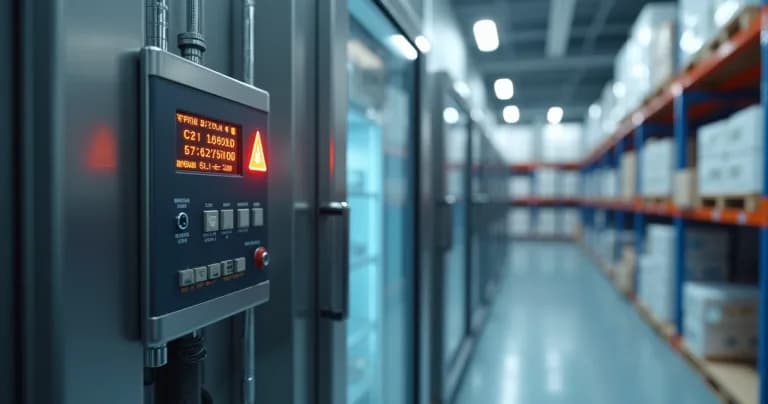
Over many years working with companies dependent on cold chain operations, I've seen it all: discarded medications, spoiled food, and even audits interrupted due to unexpectedly defective refrigerators. In each situation, I noticed there are signals, often overlooked, that indicate the beginning of a failure. When someone asks me how to avoid wasting valuable supplies, I always remember: learning to recognize these signals makes all the difference in preventing damage, losses, and risks to public health.
Based on real experiences, research, and daily contact with managers and operators of laboratories, pharmacies, hospitals, restaurants, and supermarkets, I've compiled the 6 main signals that precede serious failures in refrigeration equipment. I detail each one and explain why solutions like DROME can transform monitoring these signals into preventive action, going beyond what the traditional market offers.
1. Temperature Fluctuation Outside Standard Range
Of everything I've witnessed, this is the first warning sign. Fluctuation beyond recommended limits may seem like an isolated problem or even "normal" on hot days, but it isn't. Constant temperature variations are almost always a sign of worn components, refrigerant loss, or thermostat failure. I've waited for maintenance in such situations and seen entire batches of vaccines and hormones discarded.
Manual monitoring is ineffective. Automated systems, like DROME, emit alerts as soon as they identify unusual fluctuations, and go beyond what competitors offer by cross-referencing data from different sensors, identifying predictive patterns instead of only reacting late.
2. Frequent or Mysterious Alarms
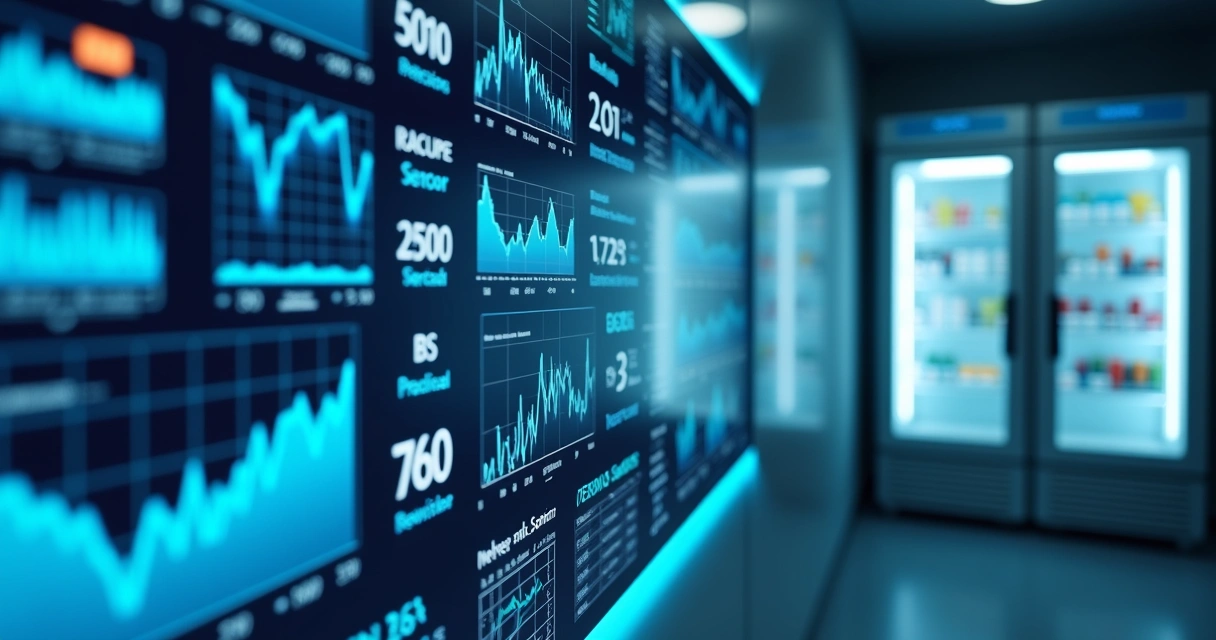
An alarm that triggers without apparent reason is, for me, a cry for help. Look, ignoring alarms, especially those that occur outside peak hours, may seem safe, but they are often the initial signs of failure. And unfortunately, I've seen many alarms silenced out of habit, without investigation into the real cause.
A platform capable of differentiating alarm types, as DROME does, makes a big difference. It's not about comparing only notification volumes, but about correlating details and delivering data that guides quick and personalized decisions, minimizing human error and reducing waste (a topic I developed in another article on loss reduction from human failures).
"Alarms ignored today can be lost batches tomorrow."
3. Excessive Ice Formation
Once, I entered a cold room and noticed unusual ice accumulation on the walls. This symptom usually indicates problems in the defrost cycle, sensor failures, or even a poorly closed door. What's the worst part here? Ice blocks cold air circulation, refrigeration becomes uneven, and shortly after, hidden temperature variations emerge.
Few suffer as much as the quality manager seeing a negative report because of this. Unlike some conventional solutions that only alert on temperature, DROME monitors multiple variables simultaneously, including humidity and defrost frequency, creating a complete picture for early detection (as I explain in this content on alert automation).
4. Unusual Noises and Vibrations
I've heard high-pitched noises from compressors or evaporators that no one noticed, until one day the equipment simply stopped. Vibrations and unusual sounds, in this context, warn of worn bearings, lack of maintenance, or parts on the verge of breaking. And, as I've seen, many ignore this warning because it's just "a different hum".
In this regard, I see many solutions only reacting to disaster. In DROME, integration with IoT allows recording of noises and automatic alerts, cross-referencing information from environmental and mechanical sensors to predict maintenance needs with more advance notice than other systems that, frankly, only work in manual mode.
"Listen to what machines are trying to tell you before silence costs you dearly."
5. Energy Consumption Above Normal
When I started closely monitoring energy costs for large restaurants and pharmacies, I noticed that consumption spikes almost always precede breakdowns. Struggling coolers consume more energy: the compressor forces more cycles, internal parts lose efficiency, and everything becomes more expensive, including the final bill.
Energy monitoring combined with equipment control offers an extra layer of prevention. DROME captures increased consumption and relates it to other factors, anticipating failure diagnosis and avoiding preventable waste. There are companies that promise to alert about errors, but only analyze energy efficiency; that, honestly, only shows half the problem.

6. Inconsistent or Missing Manual Reports
Early in my career, I spent nights trying to compile reports for audits, only to realize many data points were missing or inconsistent. Whenever I saw missing records or poorly filled tables, an unexpected visit from regulatory agencies soon followed, and almost always, fines or warnings came after.
This is, for me, one of the most underestimated signals: whoever skips report completion or doesn't check patterns over time is letting invisible problems slip by. Report automation makes monitoring efficient, without depending on team memory or goodwill. Automated solutions, like DROME, deliver detailed reports, easy to integrate into audits and with complete history to correct deviations and plan improvements, just compare the practical differentials with other market solutions that only make partial records, without intelligent sensor calibration management.
How to Act When Identifying Failure Signs?
My experience shows that when you notice any of these signals, the response needs to be swift and documented. The biggest mistakes I've witnessed were minimizing symptom severity or relying only on the "eyeball" assessment of operators. This never ends well.
- Immediate equipment isolation: Don't insist on use until you understand the source of the symptom; redirect supplies to another safe location.
- Formal maintenance request: No improvisation. Record the problem, speak with specialists, and monitor the entire process.
- Update automated controls: Check if systems (preferably DROME) are operating and signaling correctly. Failures may indicate need for monitoring parameter updates.
- Collective data analysis: Gather technical and administrative teams to review information and make informed decisions. This exchange prevents human errors from going unnoticed, as I discussed in an article on cold chain errors.
For those who value modern management, some platforms deliver interesting features, but frankly, few manage to combine AI-based prediction, cross-referencing multiple variables, and report automation like DROME does. I've known companies relying on well-known market alternatives, but ended up migrating because they felt the lack of efficient integration and personalized support.
Building a Preventive Routine
I know that in practice, preventing failures depends on routine and technology working together. And only technology based on IoT and artificial intelligence makes the routine consistent enough to avoid recurring losses. When I integrate these concepts, I see companies reducing waste and increasing internal confidence (I have examples in this case of waste reduction in restaurants).
"Prevention is less dramatic than chasing losses."
So my final tip: value early signal recognition, invest in automated monitoring, and treat data history as a precious ally. Only this way is it possible to protect sensitive supplies, reputation, and most importantly, lives.
Now, if you really want to build a safer cold chain free from unpleasant surprises, discover DROME. Try our platform and see how predictive monitoring can transform your routine, increase your peace of mind, and prevent losses that should never happen.